
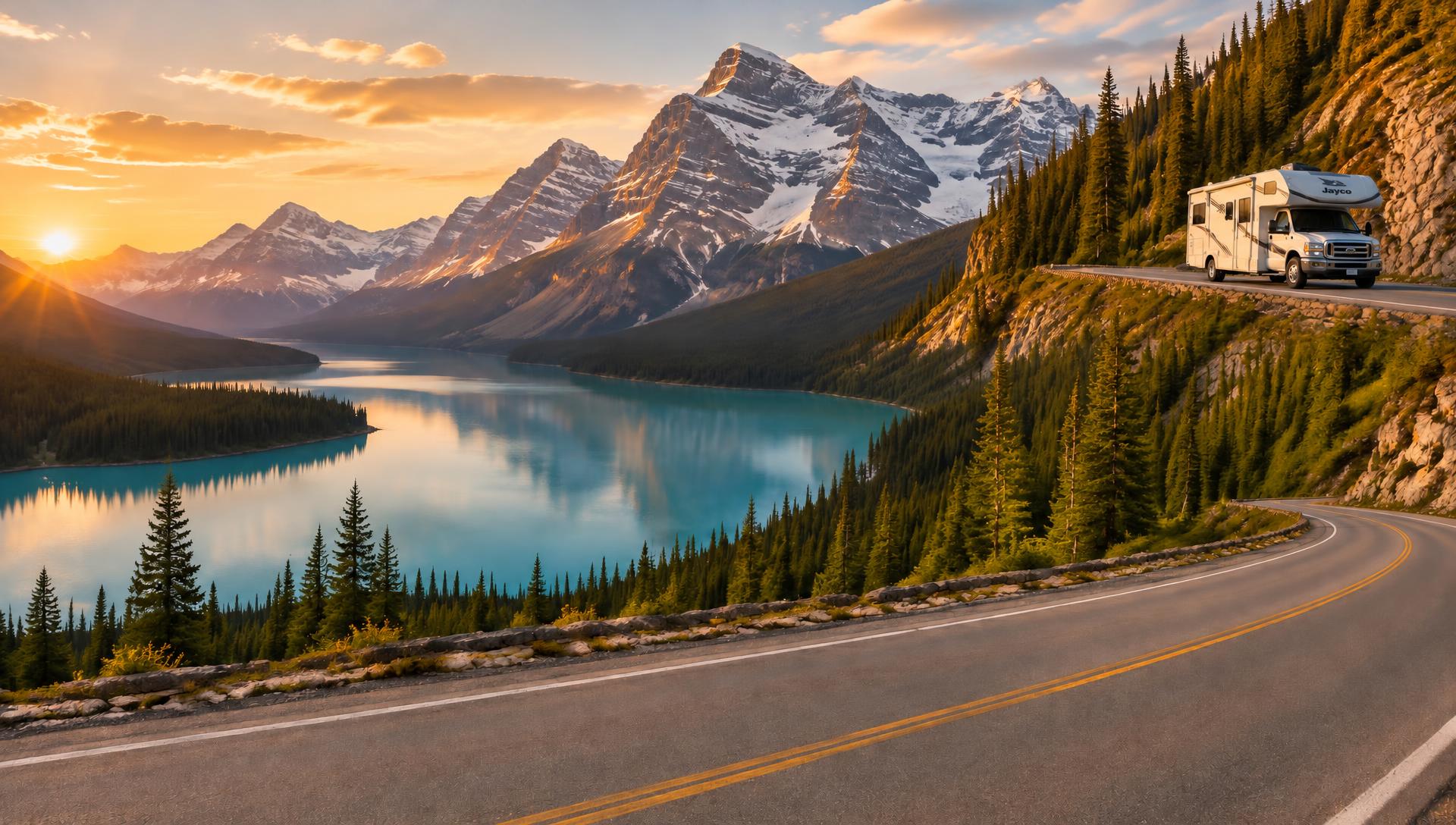
Real Canadian RVs you can book
Tap a vehicle to see its photos, floorplan and live prices for your dates.
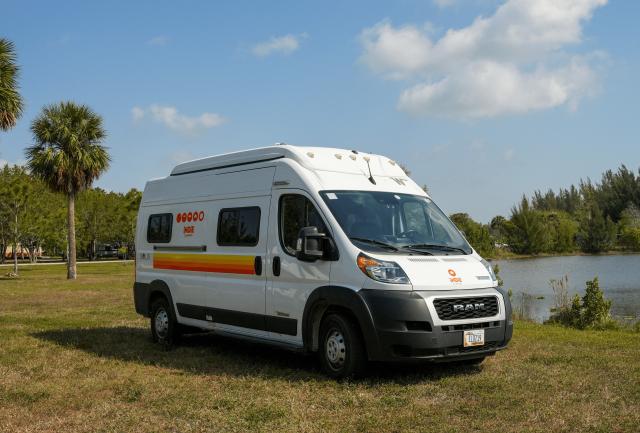
Indie Campers · Campervan
Active Pop-Top
Best for: Couples
Check dates & prices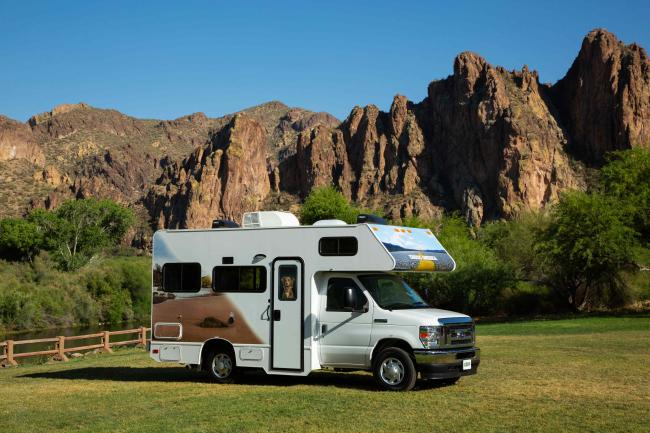
Cruise Canada · Small Class C
C21 Compact Plus RV
Best for: Couples & small families
Check dates & prices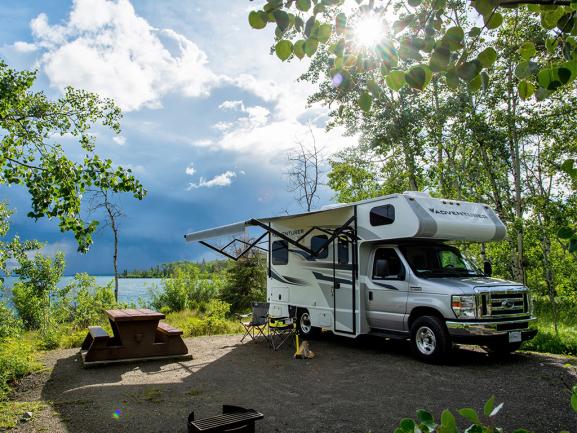
Four Seasons RV · Small Class C
C-Small
Best for: Couples & small families
Check dates & prices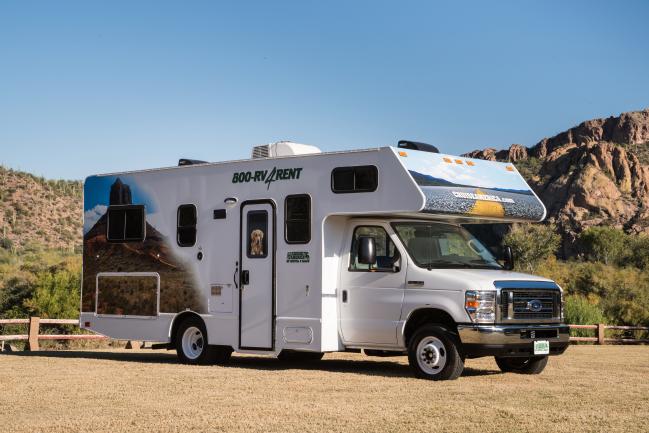
Cruise Canada · Class C, 25 ft
C25 Standard RV
Best for: Families
Check dates & prices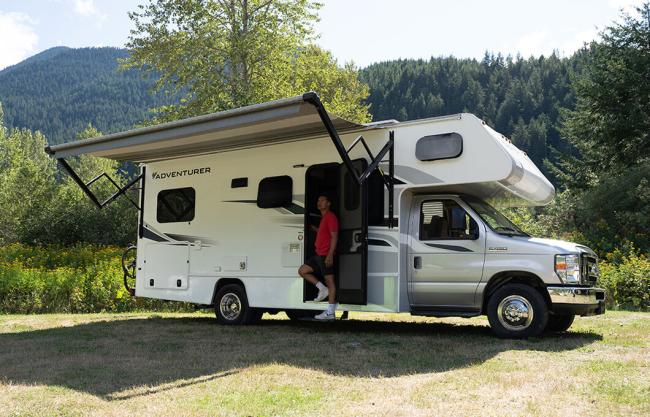
Fraserway RV · Class C
C-Medium
Best for: Families
Check dates & prices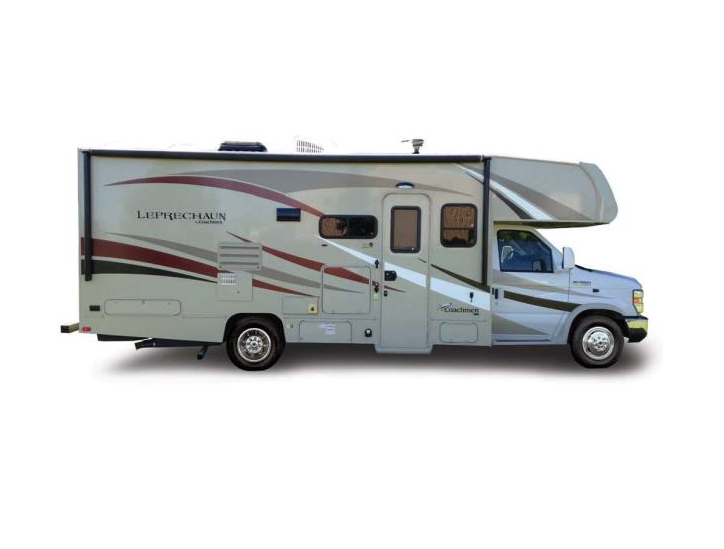
Motor Home Travel Canada · Large Class C
28 ft Class C (Type L)
Best for: Groups
Check dates & prices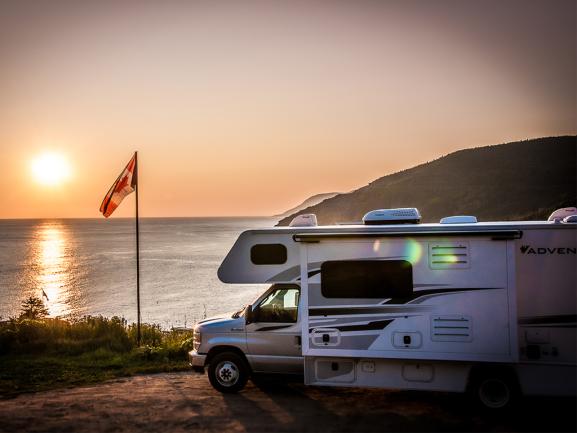
Fraserway RV · Large Class C
C-Large
Best for: Groups
Check dates & pricesRV rental companies in Canada
We only list established fleets with their own vehicles. No peer-to-peer rentals and no paid rankings. Compare every company's full fleet →

CanaDream
Nationwide motorhome fleet with depots coast to coast.
View fleet & profile →

Fraserway RV
Canada's largest RV rental fleet, strong in the West and Yukon.
View fleet & profile →

Cruise Canada
Class C motorhomes, popular for long one-way trips.
View fleet & profile →

Four Seasons RV
Western Canada motorhomes from Vancouver and Calgary.
View fleet & profile →

Indie Campers
Compact campervans for couples and city-to-mountain trips.
View fleet & profile →

Meridian RV
Family-friendly motorhomes from the Vancouver area.

Motor Home Travel Canada
Motorhomes from Calgary and Vancouver.

Roadsurfer
Modern campervans with flexible kilometre packages.
View fleet & profile →
Where to pick up your RV
British Columbia
Coast, islands and the gateway to the Rockies.
- Vancouver →
- Vancouver Intl Airport →
- Abbotsford
- Abbotsford Airport
Alberta
Banff, Jasper and the Icefields Parkway on your doorstep.
Yukon
Midnight sun, the Klondike and the road to Alaska.
Ontario & Quebec
Lakes, fall colours and historic cities.
Atlantic Canada
Cabot Trail, lighthouses and lobster suppers.
Open the interactive RV map → Tap any national park, scenic drive or town to see its nearest depot and drive time.
Top tip
Calgary is the closest depot to Banff (90 minutes), and Edmonton to Jasper (4 hours). Vancouver suits coast and island trips. Toronto is the gateway to Niagara, Algonquin and the Great Lakes, and Montreal is the base for Québec, Halifax for Nova Scotia and the Maritimes, and Whitehorse for the Yukon and Alaska. One-way Calgary to Vancouver is popular but usually carries a drop fee.
Trip cost calculator: fuel and kilometres
Pick a classic route or type your own distance to estimate fuel and decide which kilometre package to buy.
- Plan for (+20% detours)
- 1,920 km
- Estimated fuel
- $718
- Pay-as-you-go km (~$0.42/km)
- $806
Suggestion: 2,000 km pack. Buying kilometres in advance is almost always cheaper than paying per km at drop-off. Estimates only — check your rental company's rates.
Why Canada is made for an RV trip
Canada is huge, and the best bits sit far from hotels. With a motorhome you wake up beside a glacier lake, cook breakfast with a mountain view and move on when you like. Campgrounds are well run, roads are wide and wildlife is never far away.
Which RV suits your group?
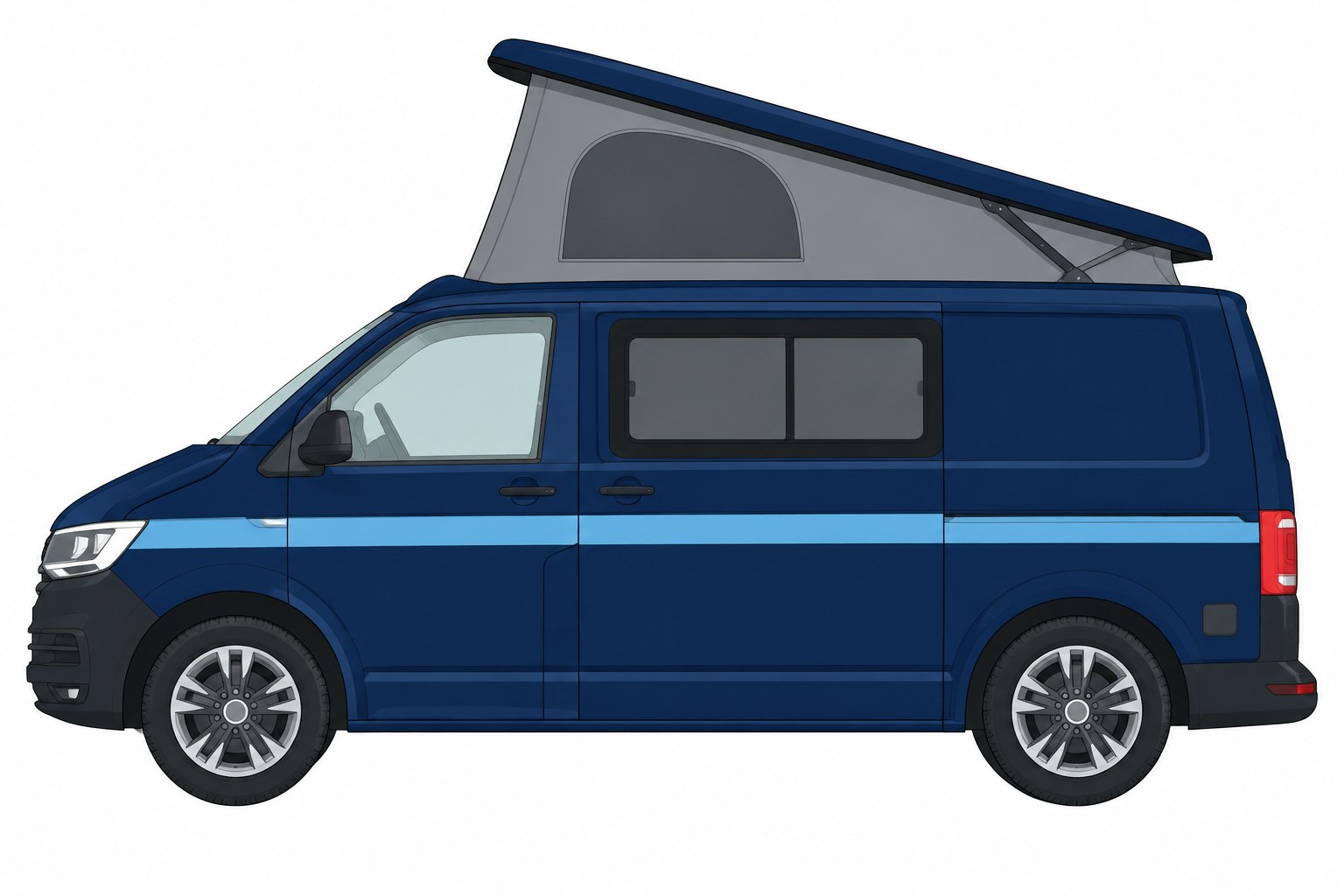
Couples & honeymooners
Campervan or small Class C (under 22 ft)
- Sleeps
- 2
- Length
- 19–22 ft (5.8–6.7 m)
- Transmission
- Automatic
- Bathroom
- Toilet; some have showers
- Standing height
- Often limited — check before booking
- Fuel
- About 13 L/100 km
Easy to drive and park at trailheads and lakeside lots. Cheaper fuel and fits small campground sites.
Choose a model with a fixed double bed so you don't make it up every night. A shower is worth it for national park trips.
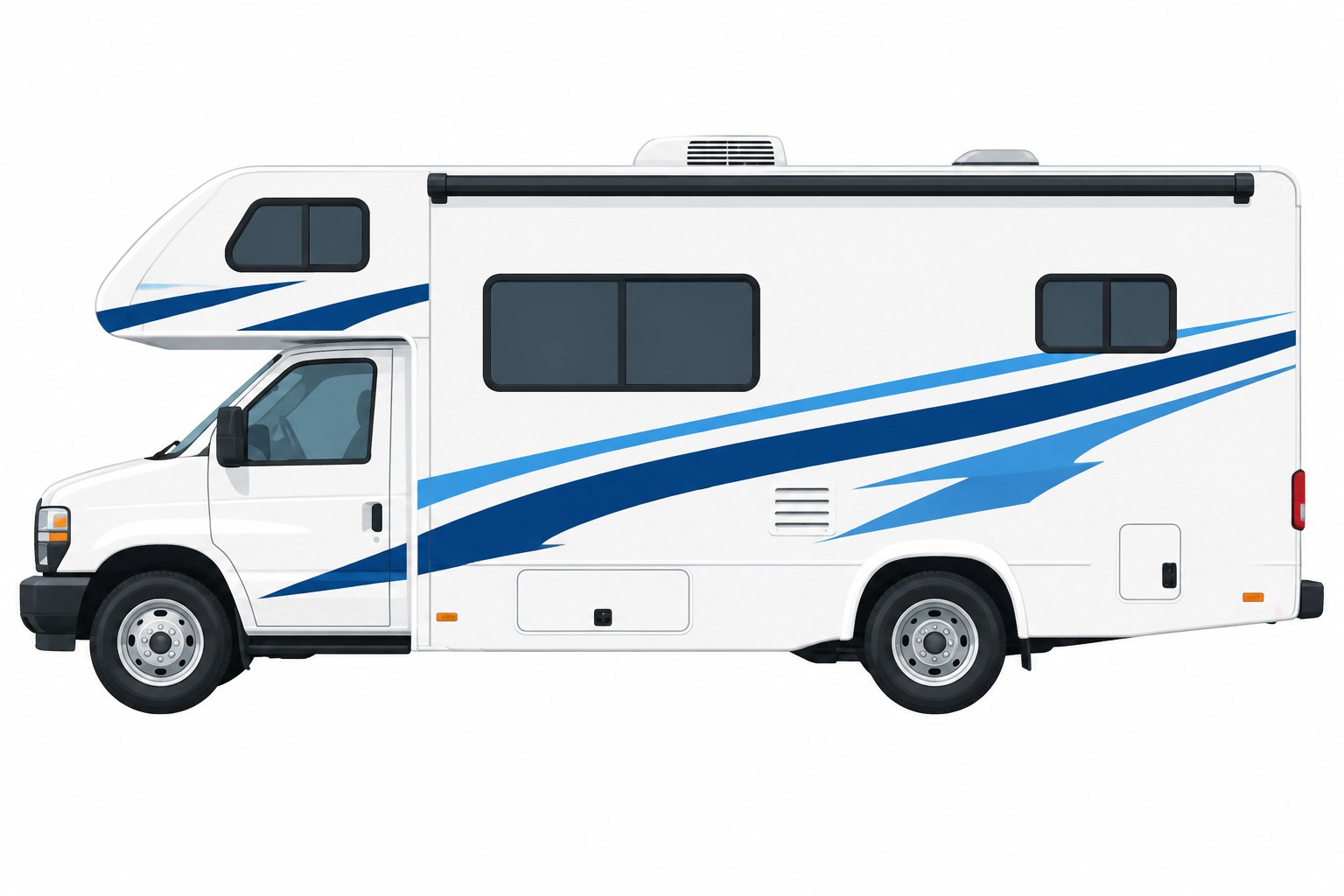
Families with young children
Class C motorhome, 24–28 ft (sleeps 4–6)
- Sleeps
- 4–6
- Length
- 24–28 ft (7.3–8.5 m)
- Transmission
- Automatic
- Bathroom
- Toilet and separate shower
- Standing height
- Full height throughout
- Fuel
- About 22 L/100 km
Separate over-cab bed for kids, a full bathroom and space to cook indoors on rainy days.
Check that seats with lap-shoulder belts suit your car seats. Rent a booster or bring your own. Book hook-up sites for easy power and water.
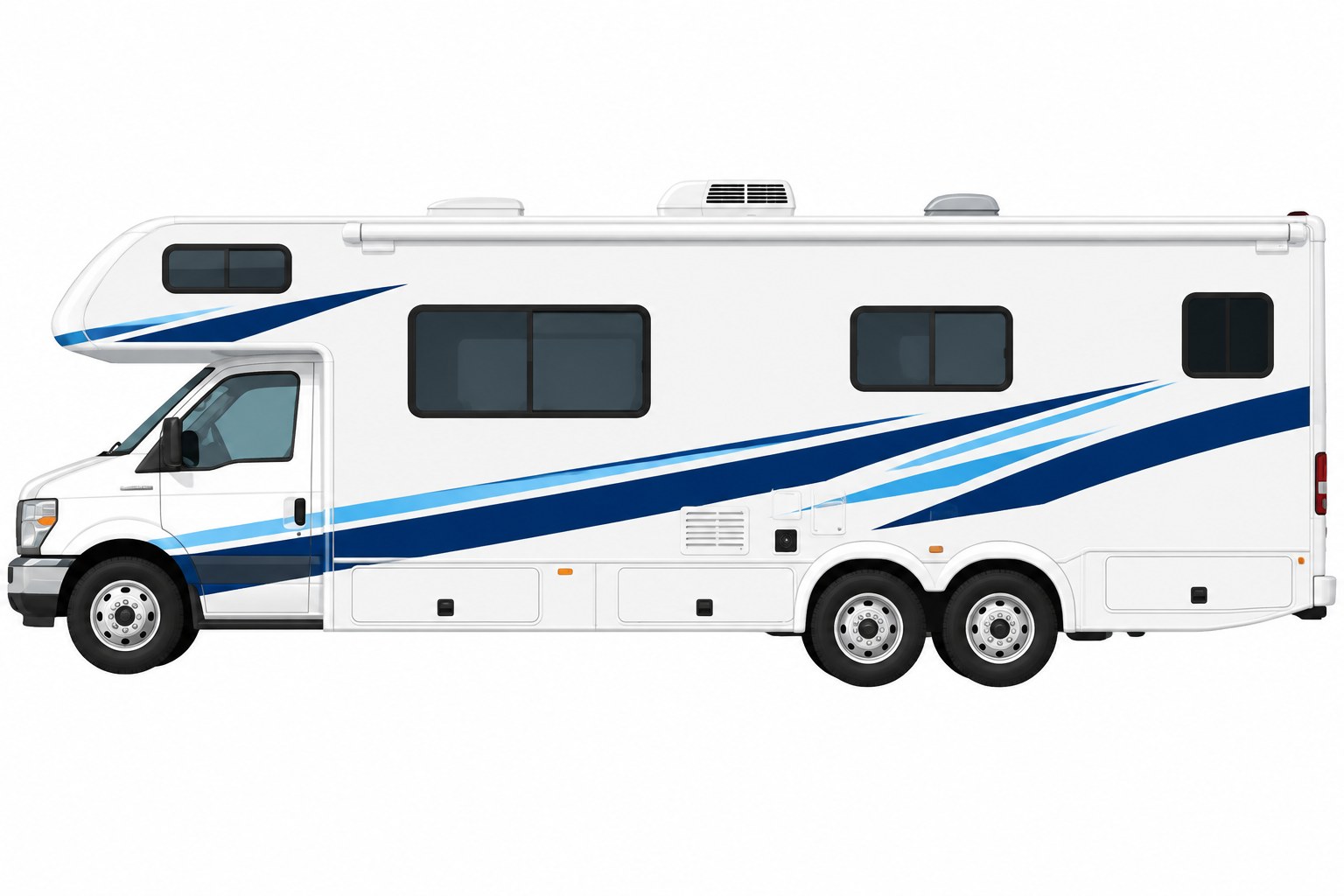
Groups of friends
Large Class C, 28–30 ft, or two campervans
- Sleeps
- 6–7
- Length
- 28–30 ft (8.5–9.1 m)
- Transmission
- Automatic
- Bathroom
- Toilet and shower, larger tanks
- Standing height
- Full height, slide-outs on some
- Fuel
- About 28 L/100 km
More beds and more bathroom time. Two campervans give flexibility to split up on adventure days.
Agree on a kitchen rota. Two vans cost more in fuel but often less per person on one-way fees.
Travelling with children? Check the seat belts first
Canadian child restraint laws are strict, and almost no Canadian RV rental company rents child car seats — bring your own or buy one on arrival. The catch: many RV dinette seats only have two-point lap belts and no top tether anchors, so forward-facing and infant seats often cannot be installed safely there. Before you book, ask the supplier which seats have three-point lap-shoulder belts and tether anchors, and confirm your car seat fits them.
Best time to travel and weather
Canada's RV season is short and the weather varies hugely by region. Pick your dates first, then your route.
Peak season
Summer
July – August
- Warmest weather, every mountain road and campground open
- Best for whale watching, hiking and lake swims
- Highest rental rates; Banff and Jasper campsites sell out months ahead
- Wildfire smoke possible in BC and Alberta in August
Best value
Autumn
September – October
- Golden larches in the Rockies mid to late September
- Fewer crowds, mild days and crisp nights
- Snow can arrive on high passes from late September
- Many campgrounds close after Thanksgiving (mid-October)
Shoulder
Spring
May – June
- Roaring waterfalls and bears feeding on roadside greens
- Lower rates and easy last-minute bookings
- High trails and lakes like Moraine may still be snowbound until June
- Blackflies and mosquitoes in Ontario and the north from June
Specialist
Winter
November – April
- Only a few winterised RVs available, often without running water
- Winter tyres required on most BC highways (1 Oct – 30 Apr)
- Northern Lights in the Yukon and Jasper Dark Sky Preserve
- Short days; plan drives in daylight only
| Region | Best time to go |
|---|---|
| Rockies (Banff, Jasper) | Mid-June to mid-September for open roads; late September for larches |
| Vancouver Island & BC coast | May to October; mildest region, storm-watching in Tofino in winter |
| Atlantic Canada & Cabot Trail | July to early October; fall colours peak early October |
| Yukon & Alaska route | Mid-June to August; midnight sun and fully open Alaska Highway |
Classic Canadian road trips, day by day
Driving times are without stops. Allow extra time for wildlife jams, photo stops and roadworks.
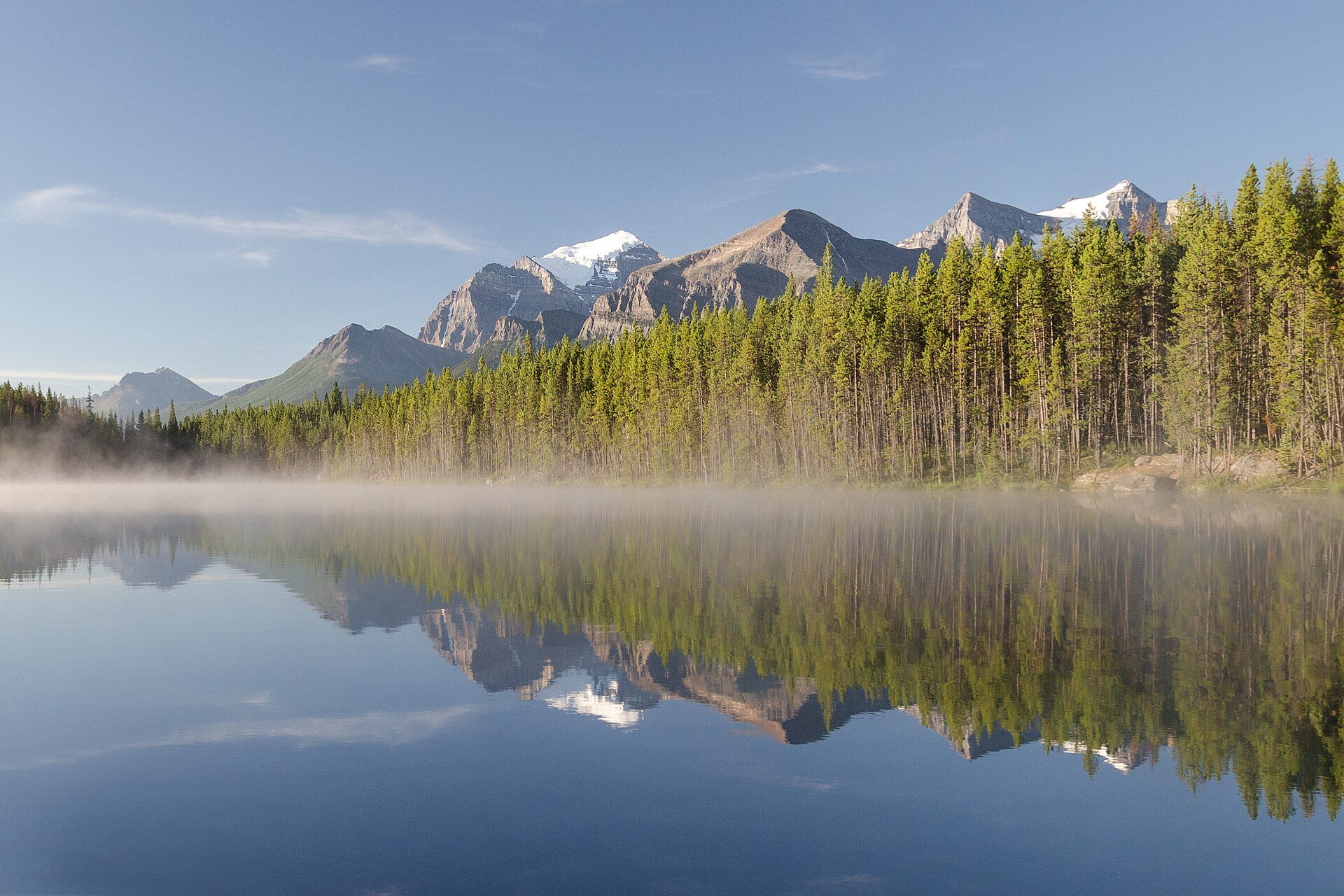
Photo: Florian Fuchs, CC BY 3.0, via Wikimedia Commons
Glaciers, turquoise lakes and roadside elk on one of the world's great drives.
- Day 1: Calgary to Canmore (1 hr 15 min · 105 km)
- Big shop at a Calgary supermarket before heading west
- Canmore's Bow River trail at sunset
Overnight: Spring Creek RV Campground, Canmore
Free stays: Canmore has no legal free camping in town. Use Bow Valley Provincial Park area campgrounds instead.
- Day 2: Banff town & Lake Minnewanka (30 min · 30 km)
- Banff Gondola up Sulphur Mountain
- Lake Minnewanka boat cruise
- Bow Falls and the Hoodoos viewpoint
Overnight: Tunnel Mountain Village II (hook-ups), Banff
- Day 3: Lake Louise & Moraine Lake (1 hr · 60 km via the Bow Valley Parkway)
- Johnston Canyon catwalks to the Lower and Upper Falls
- Lake Louise shoreline and the Lake Agnes Tea House hike
- Moraine Lake by Parks Canada shuttle (private vehicles are not allowed up the road)
Overnight: Lake Louise Hard-Sided Campground (RVs only)
- Day 4: The Icefields Parkway (3 hrs driving, allow a full day · 230 km)
- Bow Lake and Peyto Lake lookout
- Mistaya Canyon
- Columbia Icefield: Athabasca Glacier and the Skywalk
- Sunwapta and Athabasca Falls
Overnight: Wabasso or Whistlers Campground, Jasper
Free stays: There is no free camping on the Parkway. Park only in designated campgrounds.
- Day 5: Jasper (Short local drives)
- Maligne Canyon walk
- Maligne Lake cruise to Spirit Island
- Dark-sky stargazing: Jasper is a Dark Sky Preserve
Overnight: Whistlers Campground, Jasper
- Day 6: Jasper to Kootenay Plains (3 hrs · 250 km via Highway 11)
- Abraham Lake (frozen bubbles in winter, turquoise water in summer)
- Kootenay Plains grasslands
Overnight: Crown land near Abraham Lake
Free stays: Free random camping is allowed on public land along the David Thompson Highway. You need an Alberta Public Lands Camping Pass.
- Day 7: Back to Calgary (3 hrs · 260 km)
- Cochrane's famous ice cream stop
- Refuel and empty tanks before the return
Overnight: Return the RV
Best campsites on this route
- Tunnel Mountain Village II, Banff: full hook-ups, walk or bus into town
- Lake Louise Hard-Sided: electric hook-ups, sheltered from bears by a fence
- Whistlers, Jasper: the big one, with showers and elk wandering through
- Wilcox Creek, Icefields: basic, but steps from the Wilcox Pass hike with glacier views
Tailor it to your group
- Families: Stick to short, flat walks like Johnston Canyon and Maligne Canyon. The Athabasca Glacier ice explorer ride is a highlight for kids. Base yourself at Whistlers and Tunnel Mountain for showers and playgrounds.
- Couples: Rise early for sunrise at Moraine Lake, hike to the Lake Agnes Tea House, then soak in the Banff Upper Hot Springs. Book a lakeside canoe on Lake Louise or Emerald Lake.
- Friends: Raft the Kicking Horse River near Golden (Class III–IV rapids), scramble up Ha Ling Peak in Canmore, and ride the Athabasca River rapids out of Jasper. Mountain bike the Canmore Nordic Centre trails.
Free overnight stops
Free camping is allowed on much Crown land outside national parks, usually for up to 14 days. Alberta requires a Public Lands Camping Pass. Some stores allow one night in their car park; always ask the manager first. The iOverlander app lists legal spots and dump stations.
Wildlife, whales and bear safety
Where to see wildlife
- Elk and bighorn sheep along the Icefields Parkway and Jasper's roads
- Black and grizzly bears from a safe distance near Lake Louise and on Tofino bear tours
- Orcas, humpbacks and grey whales off Vancouver Island and Nova Scotia
- Moose in Cape Breton Highlands and northern BC
- Pull fully off the road at a pullout to watch animals; never stop in the lane
If you meet a bear
- Stay calm. Don't run, as this can trigger a chase
- Speak in a firm, low voice and back away slowly
- Pick up small children and keep the group together
- If a bear approaches, stand your ground and get bear spray ready
- Use bear spray when the bear is within about 7 metres
- If a grizzly attacks defensively, play dead: lie on your front, hands behind your neck
- If a black bear attacks, or any bear attacks you at night in your camp, fight back
Bear spray and hiking
- Carry bear spray on every hike in the Rockies and BC and know how to use it
- Buy it in Calgary or Banff; you cannot fly with it
- Make noise on the trail, especially near streams and blind corners
- Hike in groups of four or more where Parks Canada requires it
Food and camp rules
- Store all food, coolers, dishes and toiletries inside the RV, never in a tent or outside
- Cook and wash up away from where you sleep if camping in a tent
- Use bear-proof bins for all garbage
- Never feed wildlife. It is illegal in national parks and fines are high
- Leaving food out can get your site closed and the bear destroyed
Must-do and must-try in Canada
The moments and flavours that make a Canadian RV trip. City pages list exactly where to find them near each depot.
Must-do moments
- Sunrise canoe on Moraine Lake or Lake Louise before the crowds
- Soak in Miette, Radium or Banff Upper Hot Springs after a day's hiking
- Whale watching from Tofino, Telegraph Cove or the Bay of Fundy
- Northern Lights from a dark-sky campground in Jasper or the Yukon (late August to April)
- Walk the Glacier Skywalk or onto the Athabasca Glacier on the Icefields Parkway
Must-try food
- Poutine — fries, cheese curds and gravy, best from a roadside chip wagon
- Cedar-plank wild BC salmon cooked on the campfire grill
- Nanaimo bars and butter tarts for the road
- Maple taffy on snow at a spring sugar shack in Quebec or Ontario
- Atlantic lobster rolls straight off the wharf in Nova Scotia
- Okanagan farm-stand cherries and peaches in July and August
Campfire classics
- S'mores around the fire pit — most campgrounds sell firewood bundles
- Never bring firewood from home: moving it spreads tree pests
- Check fire bans before lighting up; they are common in July and August in BC and Alberta
Day 1 at the depot: first-timer checklist
At handover
- Walk around with staff and photograph every scratch, chip and dent — roof and bumpers included.
- Check tyre tread and pressures, and that the spare and jack are on board.
- Test the slide-outs, awning, step, generator, furnace, fridge and water pump before you leave.
- Confirm the propane tank is full and fresh water is filled; note the fuel level and odometer.
- Ask for the after-hours roadside assistance number and save it in your phone.
Hookups made simple
- Power: 30-amp sites run everything, including the air conditioner. 15-amp runs lights and charges; skip the A/C and microwave together.
- Water: connect to the site tap with the drinking-water hose, or fill the onboard tank and use the pump when off-grid.
- Dumping: gloves on, black tank (toilet) first, then grey tank (sinks and shower) to rinse the hose. Close the valves afterwards.
First shopping stop
RV toilet paper and tank chemicals, gloves, drinking water, groceries, paper towels, camp chairs if not rented, and bug spray. Many depots offer kitchen and linen kits — book them ahead.
The linen and kitchen kit trap
Unlike Australia, New Zealand and Europe, Canadian RVs almost never include bedding, towels, pots or pans in the base rate. Suppliers charge roughly $75–$120 CAD per person for a "convenience kit" — a family of four can pay $400 or more. On rentals of two weeks or longer it is often cheaper to buy a bedding set and basic pans at a Walmart or Canadian Tire on day one, or to book an all-inclusive package upfront. Either way, decide before you arrive: kits sell out in peak season.
Booking Parks Canada campsites
- Booking opens in January–February for the summer season. Popular parks like Banff, Jasper and Pacific Rim sell out within minutes on opening day — set a reminder and be logged in early.
- Discovery Pass: covers entry to all national parks for a year. If you spend more than about a week in parks, it beats paying daily admission per person.
- No booking? Backups: overflow camping (e.g. Two Jack overflow near Banff), private campgrounds in Canmore, provincial parks and recreation areas, and Crown land outside the parks.
- Some first-come, first-served sites remain — arrive before 11am on weekdays for the best chance.
Ferries: which crossing to take
To Vancouver Island (BC Ferries)
- Tsawwassen → Swartz Bay (about 1h35): best for Victoria and southern Vancouver Island.
- Tsawwassen → Duke Point, Nanaimo (about 2h): skips Victoria traffic — the best choice if you are heading straight to Tofino, Ucluelet or north up-island.
- Horseshoe Bay → Departure Bay, Nanaimo (about 1h40): ideal if you are coming from Whistler and the Sea to Sky Highway.
Going north: the Inside Passage, Yukon and Alaska
- Port Hardy → Prince Rupert (BC Ferries Inside Passage): a spectacular full-day summer sailing past fjords and wilderness. Continue east on Highway 16 to Jasper, or north on the Stewart–Cassiar Highway (37) to the Yukon.
- Alaska Marine Highway: ferries from Bellingham (Washington) and Prince Rupert to Ketchikan, Juneau, Haines and Skagway. Haines and Skagway link by road to Whitehorse and the Alaska Highway — perfect for a drive-one-way, sail-the-other loop.
- Check your rental agreement first: not every company allows Alaska, gravel highways or ferries. Ask before you book.
RV ferry tips
- Fares rise with length — vehicles over 20 ft (6 m) pay a higher rate by length.
- Reserve summer and holiday sailings. Without a booking, motorhomes can wait two or three sailings.
- Propane must be turned off before boarding; staff may check and tag it.
- Long rigs: take ramps slowly at low tide to avoid scraping the rear.
Mountain passes and winter driving
- Winter tyres (M+S or mountain-snowflake) or chains are required on most BC highways from 1 October to 30 April, including the Coquihalla (Hwy 5), Rogers Pass and the Sea to Sky.
- Check DriveBC before every mountain crossing — closures for avalanche control are common in spring.
- Use low gears on long descents; RV brakes overheat quickly.
One-way rentals and smart routing
- Direction matters. Companies move vehicles west in spring and east in autumn, so Vancouver → Calgary or Calgary → Vancouver can be cheaper — or the one-way fee waived — depending on the season. Compare both directions.
- Typical one-way fees between Calgary and Vancouver range from a few hundred dollars to over $1,000; Whitehorse drop-offs cost more.
- Avoid fees by planning a loop (Calgary → Rockies → Calgary) or picking up and dropping at the same depot.
- Crossing into the USA or Alaska: usually allowed with notice, sometimes for a fee. Bring passports and tell the depot at booking.
Driving and camping rules
- Drive on the right. Speeds and distances are in kilometres.
- Kilometres cost extra. Most motorhomes charge per km or sell packages. Add 20% to your route for detours.
- Parks Canada pass. You need a Discovery Pass or daily admission to stop in national parks like Banff and Jasper.
- Wildlife. Never feed bears. Store food inside the RV and slow down at dawn and dusk.
- Winter tyres. Many BC highways require winter tyres or chains from 1 October to 30 April.
- Free camping. Allowed on much Crown land for short stays. Never inside national parks outside campgrounds.
Live road, weather and campground links
Road conditions
- DriveBC — BC closures, webcams and chain rules
- 511 Alberta — Alberta road reports
- Ontario 511 — Ontario highways
- Québec 511 — Quebec roads
- 511 Yukon — Yukon highways
Weather & wildfire
- WeatherCAN — Official forecasts and alerts
- Canadian Wildland Fire Information — Active fires and smoke
Campgrounds
- Parks Canada Reservations — National park campsites
- BC Parks — Provincial parks BC
- Ontario Parks — Provincial parks Ontario
- iOverlander — Free camping and dump stations
Ferries & entry
- BC Ferries — Vancouver Island and the Gulf Islands
- eTA Canada — Electronic travel authorisation
Local apps, emergency numbers and breakdowns
Apps to download before you land
Roads
DriveBC & 511 Alberta / Ontario
Live closures, mountain pass webcams and roadworks
Camping
iOverlander & Campendium
Free Crown-land spots, dump stations and user reviews
Campsites
Parks Canada Reservations
Book national park campgrounds and check availability
Fuel
GasBuddy
Cheapest fuel nearby; fill up before entering national parks
Weather
WeatherCAN
Official Environment Canada forecasts, alerts and radar
Offline maps
Google Maps offline or Maps.me
Download areas first; signal disappears on mountain highways
Northern Lights
My Aurora Forecast
Aurora alerts for Jasper, the Yukon and the north
Wildfires
BC Wildfire Service & Alberta Wildfire
Active fires, smoke and evacuation alerts in summer
Emergency numbers
| 911 | Police, ambulance and fire everywhere in Canada. Works without credit or a local SIM. |
| *677 (*RCMP) | Report dangerous drivers or road incidents from a mobile in many provinces. |
| 403-762-1470 | Banff, Yoho and Kootenay park dispatch for non-urgent wildlife issues and backcountry concerns. |
| 811 (BC: 8-1-1) | Free health advice from a nurse, 24/7. Call 911 for anything serious. |
| 1-800-663-5555 | BC Wildfire: report a wildfire (*5555 from a mobile). |
If you break down or have an accident
- Call your rental company's 24/7 roadside line first; it is on your key tag or contract. Don't book your own repair or tow.
- Photograph any damage, the other vehicle and the scene. Report collisions to police; many provinces require it above a set damage value.
- Stone chips in windscreens are common on gravel roads. Report them at return; check if your cover includes glass.
- Long stretches (Icefields Parkway, Alaska Highway) have no mobile signal. Consider a satellite messenger like a Garmin inReach.
Canada RV rental FAQs
How does the Price Beat Guarantee work?
Find a lower price and we'll beat it. The quote must be for the same vehicle from the same supplier, with identical depots, dates and times, matching inclusions, mileage and excess options, and be live and verifiable before you book. Conditions apply — see our terms.
When is the best time to rent an RV in Canada?
June to September is peak season with the best weather and all campgrounds open. May and late September are cheaper and quieter, but some high mountain campgrounds and roads may still be closed.
Do I need an international driving permit?
A full licence in English or French is usually enough for a motorhome up to standard Class C size. If your licence is in another language, carry an International Driving Permit with it.
Is mileage unlimited on Canadian RV rentals?
Usually not. Most Canadian motorhome rentals charge per kilometre or sell kilometre packages, so budget for distance as well as fuel.
Can I free camp in Canada?
Yes, in places. Crown land in many provinces allows short stays, and some retailers permit overnight parking. National parks only allow camping in designated campgrounds.
Can I take a rental RV into the USA or Alaska?
Yes, you can take your rental into the USA but it must be returned to a depot in Canada. Check cross-border rules in your rental terms before you book.