
Real New Zealand campervans you can book
Tap a vehicle to see its photos, floorplan and live prices for your dates.
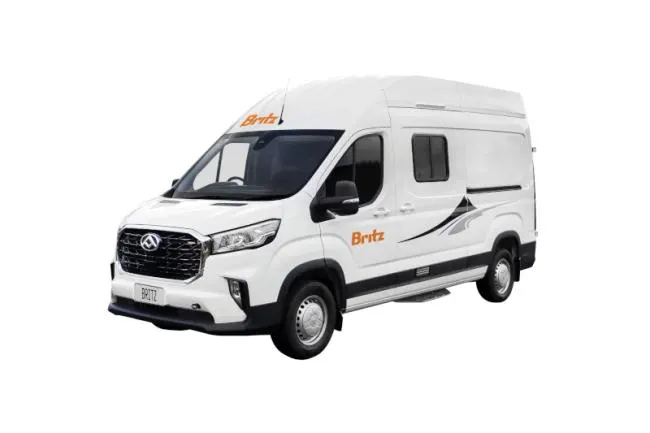
Britz · Sleeps 2
HiTop - 2 Berth
Best for: Couples and solo travellers
Check dates & prices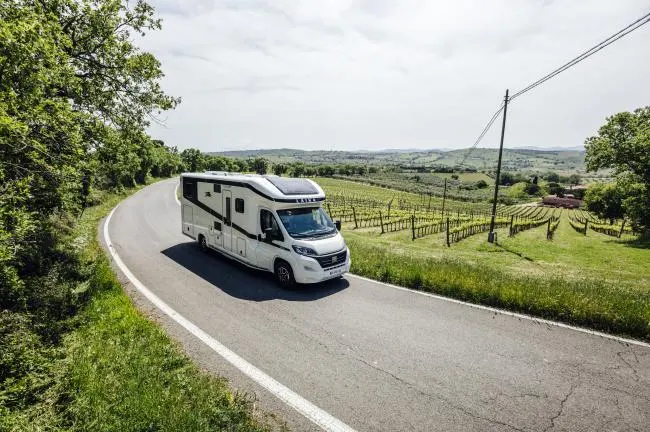
Britz · Sleeps 4
Odyssey - 4 Berth
Best for: Small families or two couples
Check dates & prices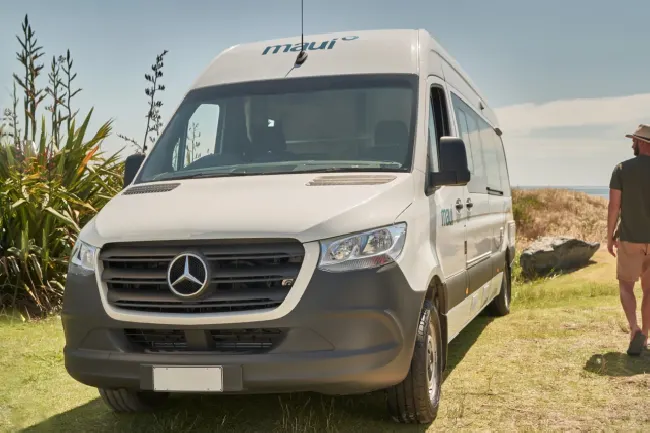
Maui · Sleeps 2
Ultima - 2 Berth
Best for: Couples and solo travellers
Check dates & prices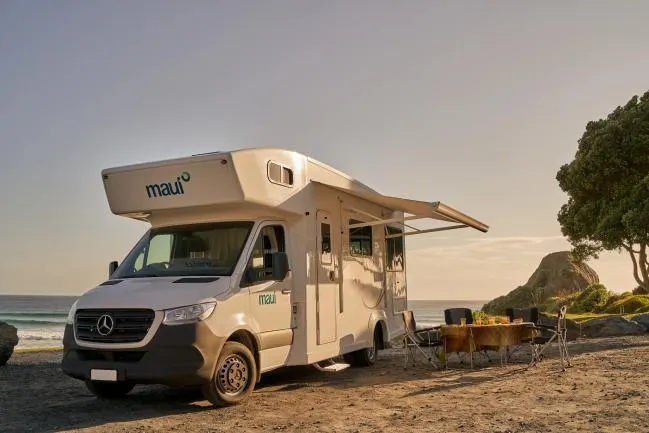
Maui · Sleeps 4
Beach - 4 Berth
Best for: Small families or two couples
Check dates & prices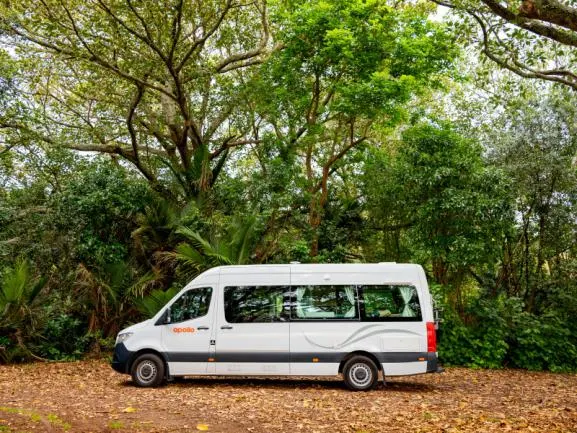
Apollo · Sleeps 2
Apollo Euro Plus
Best for: Couples and solo travellers
Check dates & prices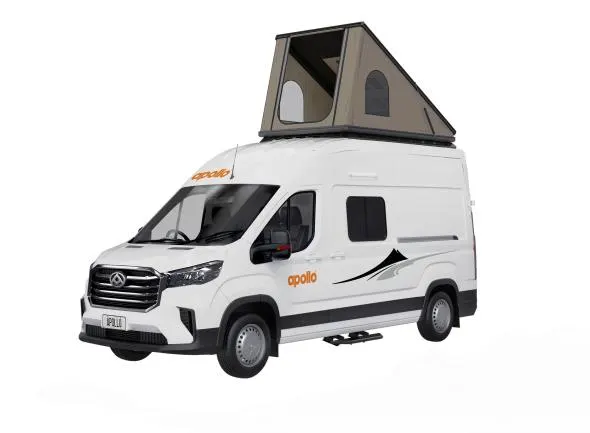
Apollo · Sleeps 4
Apollo Endeavour Camper
Best for: Small families or two couples
Check dates & prices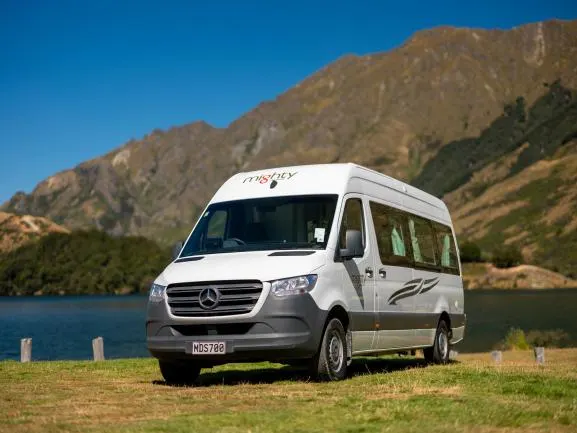
Mighty · Sleeps 2
Deuce - 2 Berth
Best for: Couples and solo travellers
Check dates & prices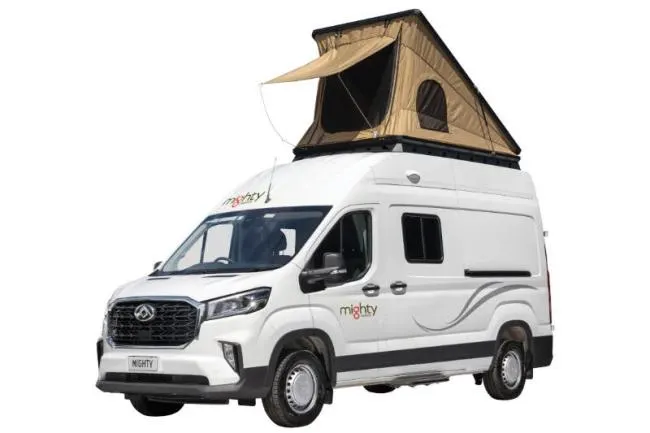
Mighty · Sleeps 4
Double Down - 4 Berth
Best for: Small families or two couples
Check dates & prices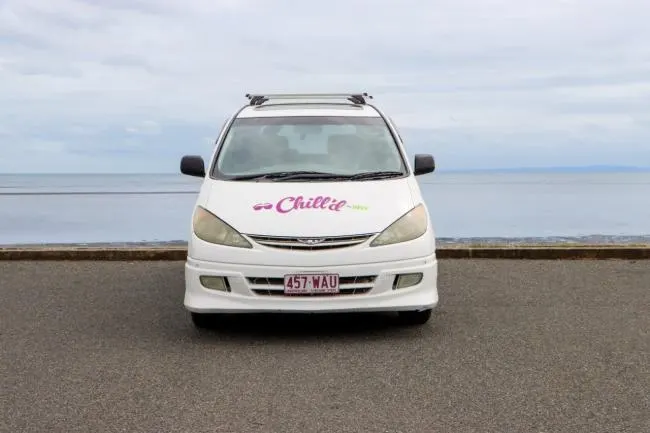
Jucy · Sleeps 2
Cloudbreak
Best for: Couples and solo travellers
Check dates & prices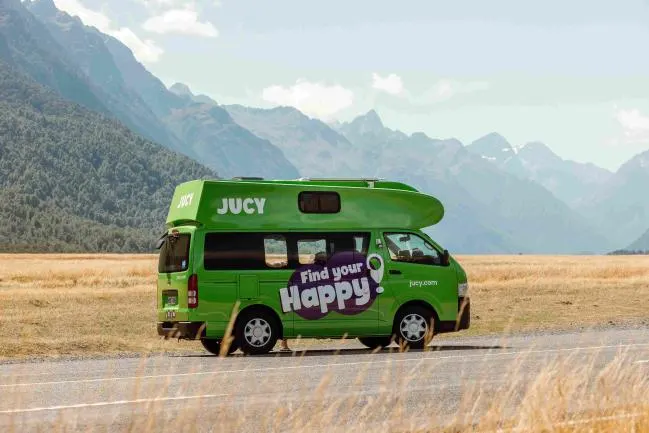
Jucy · Sleeps 4
Condo
Best for: Small families or two couples
Check dates & prices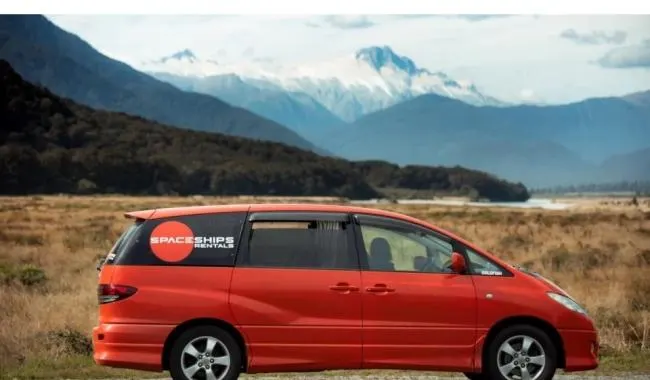
Spaceships · Sleeps 2
Beta - Original & Budget
Best for: Couples and solo travellers
Check dates & pricesAll 33 campervan companies in New Zealand
We only list established fleets with their own vehicles. No peer-to-peer rentals and no paid rankings. Tap a company for its full fleet with real photos and layouts, or compare them all.

Maui Premium
Premium motorhomes from 2 to 6 berths — Ultima, Beach, Cascade and River models, with Elite versions.
View fleet & profile →

Star RV Premium
Polaris motorhomes in 2, 4 and 6-berth layouts.
View fleet & profile →

Pacific Horizon Premium
2+1-berth campervans plus 4 and 6-berth motorhomes, in standard and premium grades.
View fleet & profile →

McRent Premium
European-style motorhomes from compact and urban models to comfort and family layouts.
View fleet & profile →

Discover NZ Motorhomes Premium
Deluxe 2, 4 and 6-berth motorhomes plus budget Sleepervanz and Sleepavanz.
View fleet & profile →

Elements RV World Premium
Tandem 2-berth, Quad 4-berth and Sixer 6-berth motorhomes.
View fleet & profile →

Britz Mid-range
From the 2-berth HiTop and Venturer to the 6-berth Frontier motorhome.
View fleet & profile →

Apollo Mid-range
HiTop and Endeavour campervans plus a range of Euro motorhomes.
View fleet & profile →

Kiwi Campers Mid-range
Large range of 2 to 5-berth vans and Euro motorhomes, including showers and toilets on many.
View fleet & profile →

Freedom Campers Mid-range
Path-series vans and motorhomes, from a 2–3 berth hi-top to a 6-berth.
View fleet & profile →

Tui Mid-range
Sleepervans, hi-tops and motorhomes up to 6 berths, plus 4WD Bush Ranger campers.
View fleet & profile →

Camperland Mid-range
A 3-berth campervan.
View fleet & profile →

Campervan Village Mid-range
Aventus campervans set up for freedom camping, plus the Mystery Machine.
View fleet & profile →

Escape Mid-range
Hand-painted 2–3 berth campervans, with certified self-contained versions.
View fleet & profile →

Indie Campers Mid-range
Active, Comfort and Adventure campers — pop-tops, family vans and rooftop-tent trucks.
View fleet & profile →

Trek Mid-range
Budget, medium and large campervans.
View fleet & profile →

Vibe Mid-range
Luxury 3 and 4-berth campervans plus 2-berth models.
View fleet & profile →

Mighty Budget
Lower-cost campervans and motorhomes from 2 to 6 berths, from the Maui and Britz family.
View fleet & profile →

Mightylite Budget
Simple Delite and Hilite campervans for tight budgets.
View fleet & profile →

Jucy Budget
Bright green campervans, from the Cloudbreak and Chaser to the larger Condo.
View fleet & profile →

Spaceships Budget
Compact Beta and Sigma vans, VW Cosmo campervans and the Dream Sleeper.
View fleet & profile →

Travellers Autobarn Budget
Station wagons plus self-contained hi-top, Hi5 and Kuga campers.
View fleet & profile →

Lucky Rentals Budget
Budget Rambler, Roadie, Rodeo and Rover campervans.
View fleet & profile →

Mad Campers Budget
Budget Adventurer, Explorer, Tracker and Nomad campers.
View fleet & profile →

Apricot Rentals Independent
Self-contained 3-person campervans with recent fit-outs.
View fleet & profile →

Happy Campers NZ Independent
Sleepervans, hi-top vans and Euro campers for 2 to 4 people.
View fleet & profile →

Hazy Campers Independent
Toyota Hiace campervans.
View fleet & profile →

Koru Independent
Self-contained Toyota Estima 2-berth and LDV V80 vans.
View fleet & profile →

Nomad Independent
Standard and deluxe sleepervans.
View fleet & profile →

Road Runner Independent
2 and 3-berth campervans and a 4–6 berth motorhome.
View fleet & profile →

Sunta Campers Independent
Cruza, Roama, Rolla, Snoozer and Thriller campervans.
View fleet & profile →

Van Life Independent
A campervan for two adults.
View fleet & profile →

Waka Campa Independent
Explorer 4-berth and Outrider 3-berth campervans.
View fleet & profile →
Where to pick up your campervan
Auckland & the north
Biggest choice of vans; Northland beaches and Coromandel nearby.
Central North Island
Geothermal Rotorua, Lake Taupō and the Bay of Plenty.
Wellington & Picton
Either side of the Cook Strait ferry — ideal for one-way trips.
Christchurch & the West Coast
The South Island's main hub, plus Greymouth on the TranzAlpine line.
Queenstown & Otago
Lakes, Milford Sound and the Southern Alps on your doorstep.
City guides: Auckland · Hamilton · Tauranga · Taupō · Wellington · Picton · Nelson · Blenheim · Greymouth · Christchurch · Queenstown · Dunedin
Open the interactive campervan map → Tap any national park, scenic drive or town to see its nearest depot and drive time.
Top tip
Most visitors pick up in Auckland or Christchurch. A one-way Auckland → Christchurch trip covers both islands; south-to-north is often cheaper because vans need moving north.
Fuel and Road User Charges calculator
Kilometres are usually unlimited, but fuel is pricey and diesel vans carry a per-km road charge.
- Plan for (+20%)
- 2,400 km
- Fuel
- $749
- Road User Charges
- $182
Estimates only. RUC rate assumed about NZ$76 per 1,000 km — check your supplier's quote.
Why New Zealand is made for a campervan
Distances are short, the scenery changes every hour and campgrounds are everywhere. Unlimited kilometres are standard, so you can follow the road wherever it leads.
Campervan and motorhome types: which suits your group?
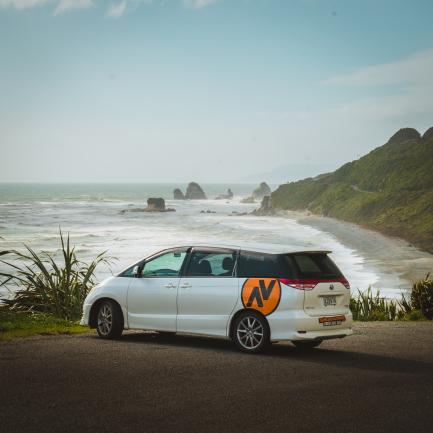
Camping car / station wagon
Budget travellers, 1–2 people
- Sleeps
- 2
- Length
- 4.5–5 m
- Toilet
- No
- Standing height
- No
Cheapest way to tour. Bed in the back, kitchen on the tailgate. Not self-contained, so you need campgrounds.
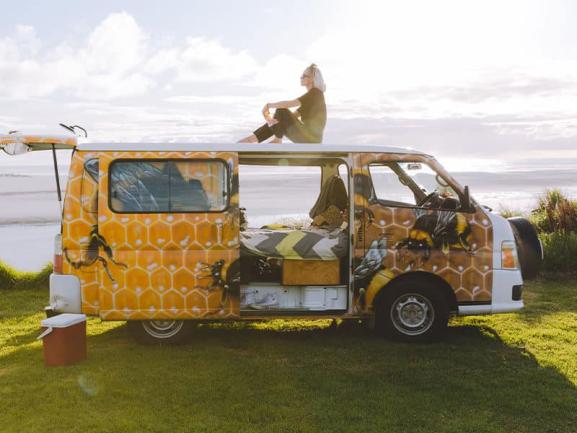
Low-top campervan
Couples and backpackers
- Sleeps
- 2–3
- Length
- 5–5.5 m
- Toilet
- Sometimes portable
- Standing height
- No
Drives like a car and fits normal car parks. Easy on fuel and mountain roads.
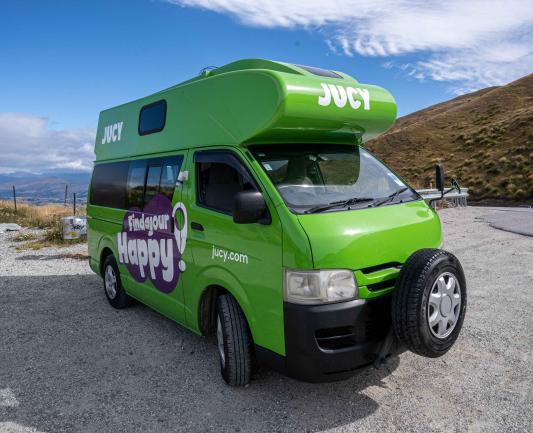
Hi-top campervan
Couples wanting comfort
- Sleeps
- 2–3
- Length
- 5.5–6 m
- Toilet
- Often
- Standing height
- Yes
Stand up to cook and dress. A good mix of space and easy driving.
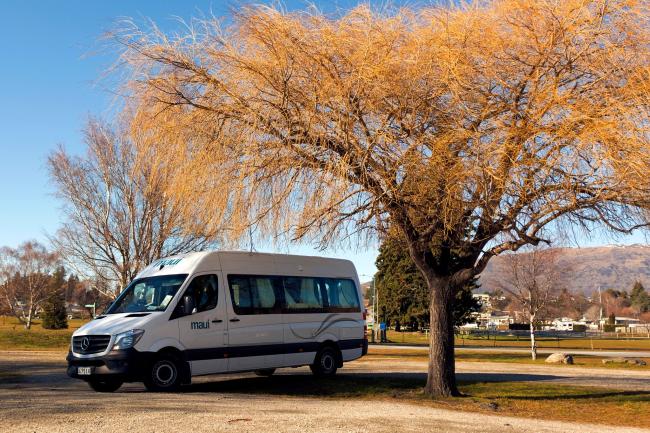
Van conversion (self-contained)
Couples who want to freedom camp
- Sleeps
- 2
- Length
- 6–6.5 m
- Toilet & shower
- Yes
- Standing height
- Yes
Built on a large panel van with toilet and shower. Carries the green self-contained sticker.
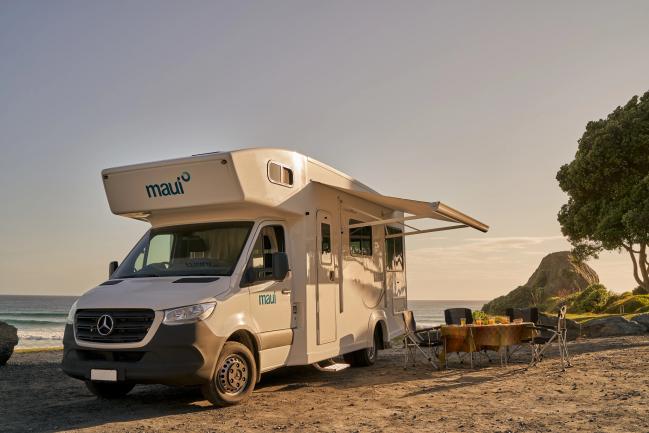
4-berth motorhome
Families and two couples
- Sleeps
- 4
- Length
- 7–7.5 m
- Toilet & shower
- Yes
- Licence
- Standard car licence
Separate beds, full kitchen and bathroom. Look for three-point belts on travelling seats.
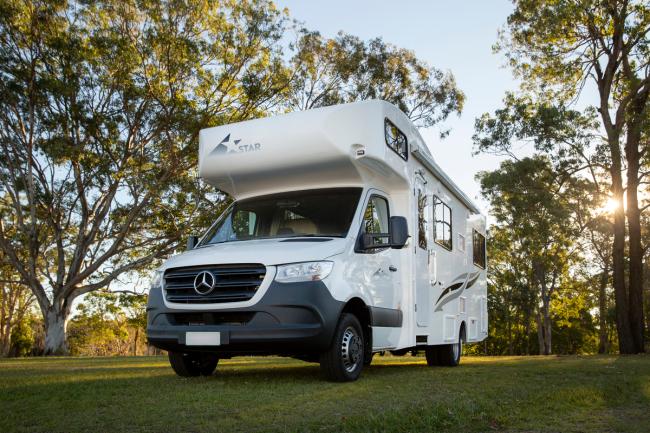
6-berth & luxury motorhome
Big families and groups
- Sleeps
- 5–6
- Length
- 7.5–8.5 m
- Toilet & shower
- Yes
- Licence
- Standard car licence (under 6,000 kg)
Most space, some with slide-outs. Slower on hills and pricier on ferries — two smaller vans can cost the same.
Travelling with children? Check the seat belts and car seats
New Zealand law requires an approved child restraint for every child under 7, and boosters are recommended until about 148 cm tall. Many dinette seats in motorhomes have only lap belts, or no tether anchors or ISOFIX points. Before you book, ask the supplier which travelling seats have three-point belts and anchors, and reserve child seats early.
Best time to travel and weather
Summer (Dec–Feb)
- Peak season, long warm days
- Book vans and ferries months ahead
- Busiest around Christmas and January
Autumn (Mar–May)
- Best value and settled weather
- Golden colours in Central Otago
- Fewer crowds at Milford and Mount Cook
Spring (Sep–Nov)
- Lambs, lupins and waterfalls
- Snow can linger on alpine passes
- Low-season prices until November
Winter: New Zealand's ski season
From about June to October, New Zealand is one of the Southern Hemisphere's top ski destinations, and hugely popular with Australians, who are a short flight across the Tasman. The main areas are Queenstown (The Remarkables, Coronet Peak), Wānaka (Cardrona, Treble Cone) and Canterbury (Mt Hutt near Christchurch).
- Choose a van with a heater and insulation, and stay at powered campgrounds on cold nights.
- Carry snow chains and check if your supplier allows ski-field access roads, which are often unsealed and steep.
- Check NZTA and MetService every morning: alpine passes can close at short notice.
Classic New Zealand road trips, day by day
Driving times are without stops. Winding roads make journeys longer than the map suggests.
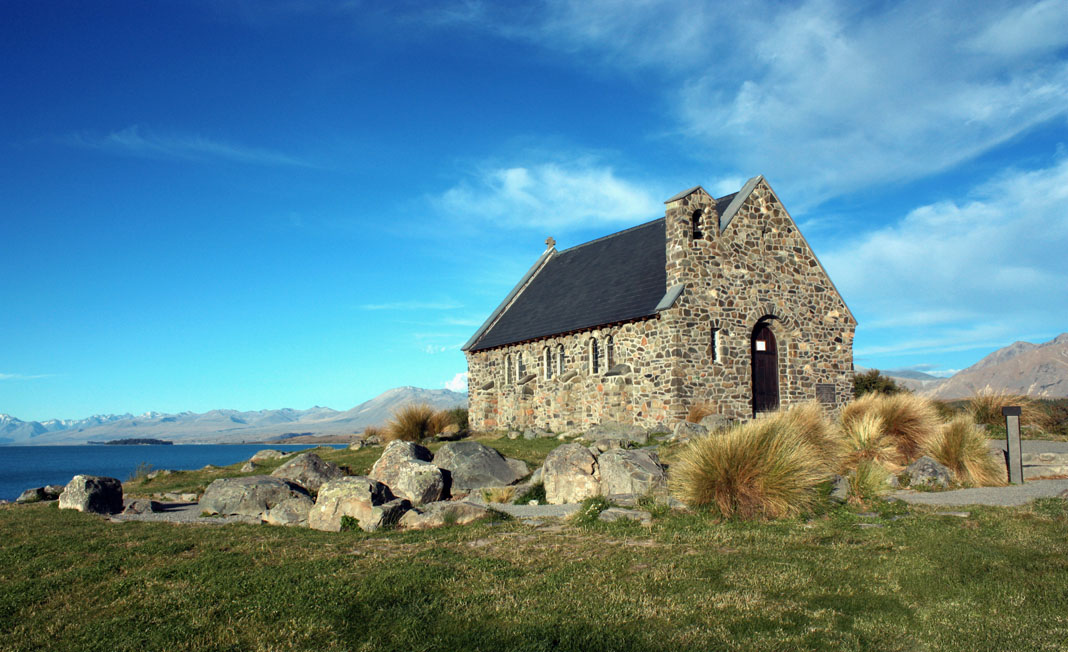
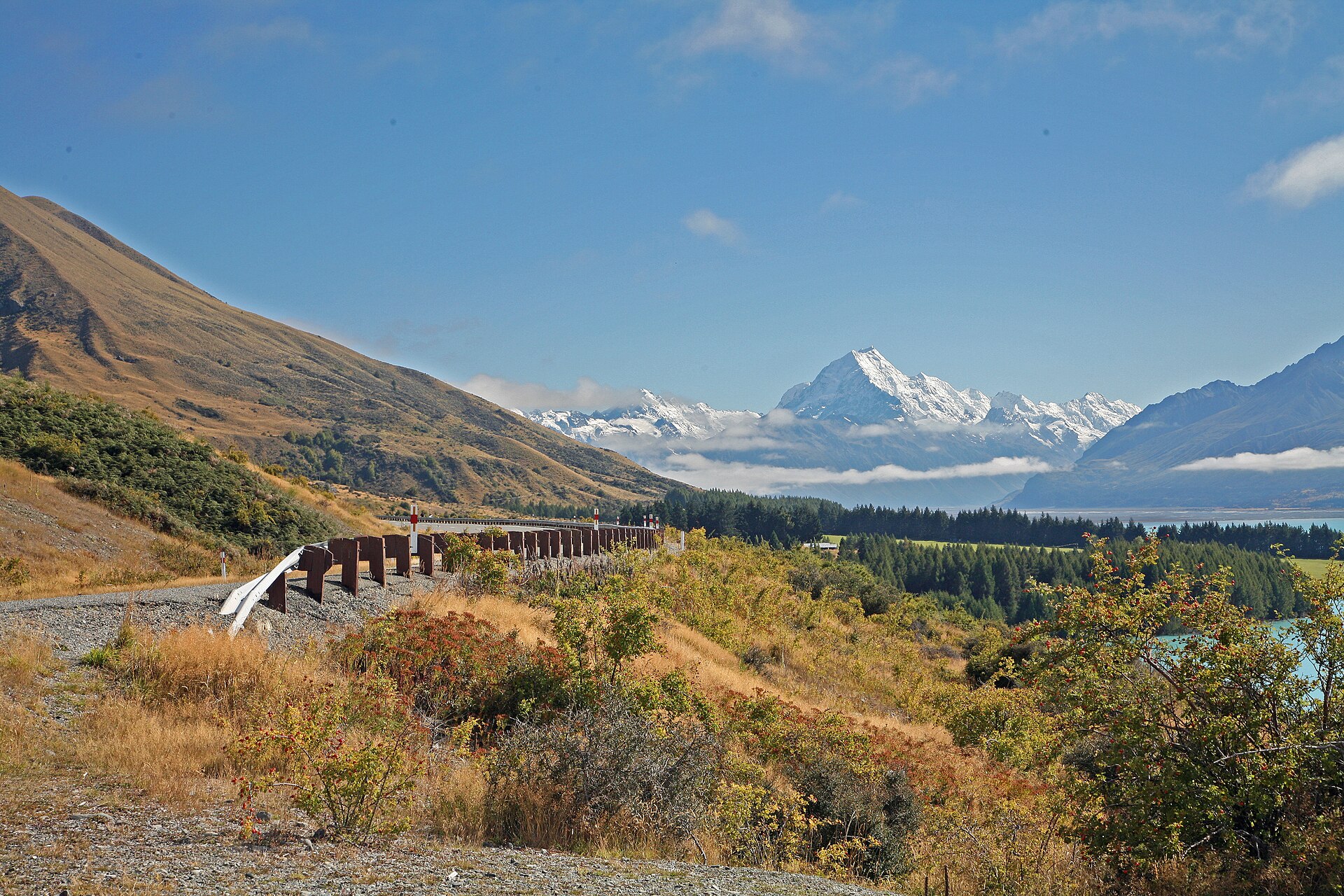
Photo: Rexness, CC BY-SA 2.0, via Wikimedia Commons
Christchurch return via Aoraki/Mount Cook, Queenstown, Milford Sound and the West Coast glaciers.
- Day 1: Christchurch → Lake Tekapo (3h)
Church of the Good Shepherd, lupins in Nov–Dec, dark-sky stargazing
Overnight: Lake Tekapo Motels & Holiday Park - Day 2: Tekapo → Aoraki/Mount Cook (1h30)
Lake Pukaki lookout, Hooker Valley Track (3h return)
Overnight: White Horse Hill DOC campsite - Day 3–4: Mount Cook → Queenstown (3h)
Lindis Pass, Cromwell fruit stalls, Arrowtown
Overnight: Queenstown Lakeview Holiday Park - Day 5: Queenstown → Te Anau (2h)
Lake Wakatipu, Kingston
Overnight: Te Anau Top 10 - Day 6: Milford Sound return (4h30)
Mirror Lakes, Homer Tunnel, a Milford Sound cruise
Overnight: Cascade Creek DOC campsite - Day 7: Te Anau → Wānaka (3h)
Lake Wānaka tree, Puzzling World
Overnight: Albert Town campsite - Day 8: Wānaka → Franz Josef (4h)
Haast Pass, Blue Pools, Fox Glacier lookout
Overnight: Franz Josef Top 10 - Day 9: Franz Josef → Punakaiki (3h)
Hokitika Gorge, Pancake Rocks at high tide
Overnight: Punakaiki Beach Camp - Day 10: Punakaiki → Christchurch (4h)
Arthur's Pass, Castle Hill rocks
Overnight: Drop-off
Freedom camping rules
- Self-contained only. On council land you need a certified self-contained vehicle with a fixed toilet and a green sticker. Fines are up to NZ$1,000.
- Check local bylaws. Queenstown, Wānaka and many towns ban freedom camping in the centre. CamperMate shows where it is allowed.
- Leave no trace. Use dump stations only and never empty grey water on the ground.
Green vs blue warrant: check before you book
New Zealand's self-containment rules changed. Only vans with a fixed, plumbed toilet can get the new green warrant. Older blue warrants (often vans with a portable toilet) stop being valid for council freedom camping by June 2026. Freedom camping without a valid warrant risks an instant NZ$400 fine. If you plan to freedom camp, choose a van listed as certified self-contained with a fixed toilet.
DOC campsites and the Campsite Pass
- Serviced: flush toilets, hot showers, kitchen and often power. Usually bookable.
- Scenic: top locations such as White Horse Hill (Mt Cook) with toilets and water. Book ahead in summer.
- Standard: toilets and tap water, first come first served at many sites.
- Basic: free, very simple sites with a toilet at most.
- DOC Campsite Pass: a set-price pass covering standard sites (and a discount at some scenic sites). It usually pays off if you stay at DOC sites for more than about a week. Check current prices on the DOC website.
Driving rules and roads your rental won't cover
- Keep left and expect narrow, winding roads with no hard shoulder. Give way to traffic on your right at uncontrolled junctions.
- One-lane bridges: the big black or white arrow has priority; if your arrow is the small red one, give way.
- Slow vehicle bays: if three or more cars queue behind you, pull into the next bay and let them pass. It is the local courtesy and keeps everyone safe.
- Banned roads: most rental contracts forbid Ninety Mile Beach, Skippers Canyon Road (Queenstown) and Ball Hut Road (Mt Cook), and often other unsealed roads. Your insurance does not cover you there.
- Crown Range Road: the highest sealed main road in New Zealand links Queenstown and Wānaka with steep hairpins. Some suppliers ban large motorhomes from it; the easier route is SH6 via Cromwell. Chains may be required in winter.
- Speed: 100 km/h on open roads unless signed lower; many rural roads are now 80 km/h.
Sandflies and sun
- Sandflies swarm on the West Coast, Milford Sound and Fiordland. Pack a strong repellent (high DEET or local brands like Goodbye Sandfly) and keep van screens shut.
- UV is fierce. Sunburn can start in about 10–15 minutes in summer, even on cloudy days. Wear SPF 50, a hat and sunglasses.
Cook Strait ferries
- Interislander and Bluebridge both sail Wellington ↔ Picton in about 3h30.
- Vehicle fares rise with length. Book summer sailings early.
- All suppliers allow your campervan to cross — add the vehicle when you book the sailing.
- Sailings are cancelled in strong winds; leave a spare day at either end.
One-way trips: drive south to north to save
Many companies end up with too many vans in Christchurch and Queenstown. Renting Christchurch → Auckland often has lower daily rates or a waived one-way fee compared with Auckland → Christchurch. Search both directions before you book.
Day 1: first-timer checklist
- Keep left. Take it slowly on the first day and use pull-over bays to let traffic pass.
- Photograph the van at handover, check the self-contained sticker and test the toilet, gas and water pump.
- One-lane bridges are everywhere: the smaller arrow gives way.
- Fill up whenever you can on the West Coast and in Fiordland — stations are far apart.
- Before you fly: most visitors, including from the UK, USA, Canada and the EU, need an approved NZeTA plus the International Visitor Levy (NZ$100). Australians don't need either. Apply in the NZeTA app a few days ahead.
- Bedding and kitchen kits are usually included, unlike Canada.
Must-do and must-try in New Zealand
Must-do moments
- Cruise Milford Sound
- Walk the Hooker Valley Track
- Tongariro Alpine Crossing
- Glow-worms at Waitomo or Hokitika
- Soak in Hanmer Springs
Must-try food
- Fish and chips on the beach
- A hāngī feast in Rotorua
- Whitebait fritters on the West Coast
- Kaikōura crayfish
- Pavlova and hokey pokey ice cream
Wildlife
- Fur seals at Kaikōura and Cape Foulwind
- Whale watching in Kaikōura
- Penguins and albatross near Dunedin
- Keas at Arthur's Pass — never feed them
Local apps and emergency numbers
- CamperMate — campsites, freedom camping, dump stations and toilets.
- NZTA Journey Planner — road closures and roadworks.
- MetService — forecasts and severe weather warnings.
- Gaspy — cheapest fuel nearby.
- DOC — book DOC campsites and Great Walks.
- Emergency: call 111 for police, fire or ambulance. Non-urgent police: 105. Healthline: 0800 611 116.
- Breakdown: use your supplier's 24-hour roadside number on the key tag first.
Official live links
NZTA road conditions · MetService · DOC campsite finder · Interislander · Bluebridge · NZeTA
New Zealand campervan FAQs
How does the Price Beat Guarantee work?
Find a lower price and we'll beat it. The quote must be for the same vehicle from the same supplier, with identical depots, dates and times, matching inclusions, mileage and excess options, and be live and verifiable before you book. Conditions apply — see our terms.
Can I freedom camp anywhere in New Zealand?
No. Since June 2024 you can only freedom camp on council land in a certified self-contained vehicle with a fixed toilet and a green sticker. Many councils also restrict where. Non-self-contained vans must use campgrounds.
Do I need an international driving permit?
If your licence is not in English, carry an International Driving Permit or an approved translation. A full car licence covers motorhomes up to 6,000 kg.
Is mileage unlimited?
Almost always, yes. Most New Zealand rentals include unlimited kilometres, unlike Canada.
What is Road User Charges (RUC)?
Diesel vehicles pay a per-kilometre road charge. Suppliers usually charge it on return, roughly NZ$7–8 per 100 km, so check your quote.
Can I take my campervan on the ferry between the islands?
Yes. Interislander and Bluebridge both carry motorhomes between Wellington and Picton, and all suppliers allow your campervan to cross — just add the vehicle when you book the sailing.
Explore more destinations
Canada · Australia · USA · United Kingdom