
Real vehicles you can book
Tap a vehicle to see its photos, floorplan and live prices for your dates.
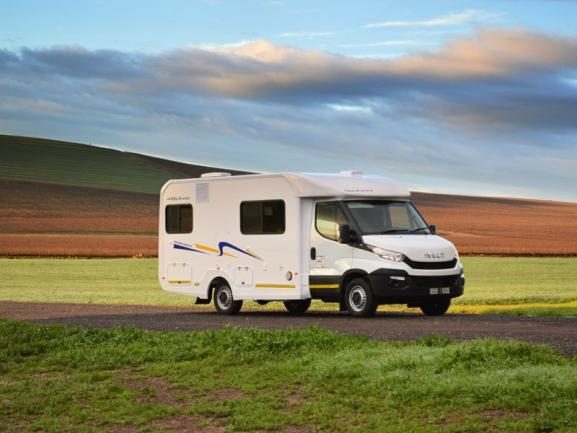
Bobo Campers · Motorhome
Discoverer 4
Best for: Families of 4
Check dates & prices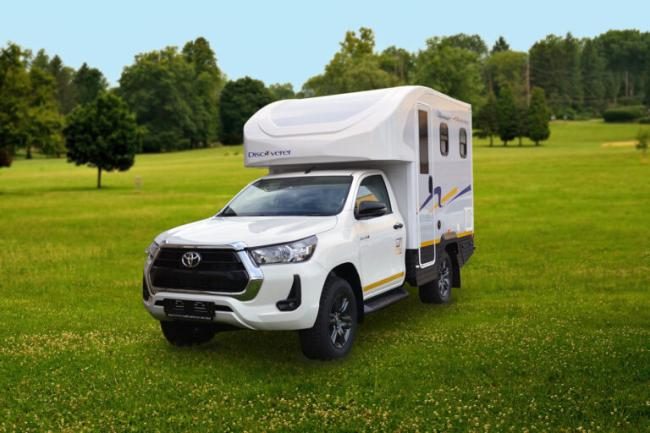
Bobo Campers · 4x4 motorhome
Discoverer FunXA 4x4
Best for: Couples going off the beaten track
Check dates & prices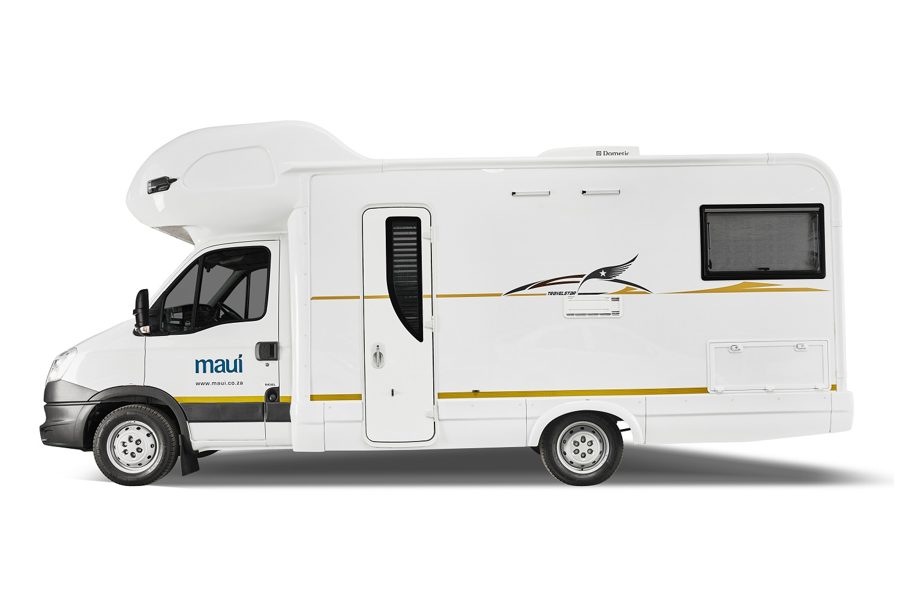
Maui · Six-berth motorhome
M6B
Best for: Larger families
Check dates & prices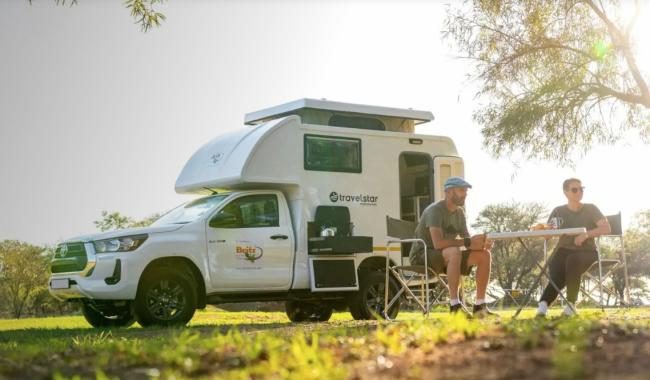
Britz · Campervan
Toyota Navi
Best for: Couples on tar roads
Check dates & prices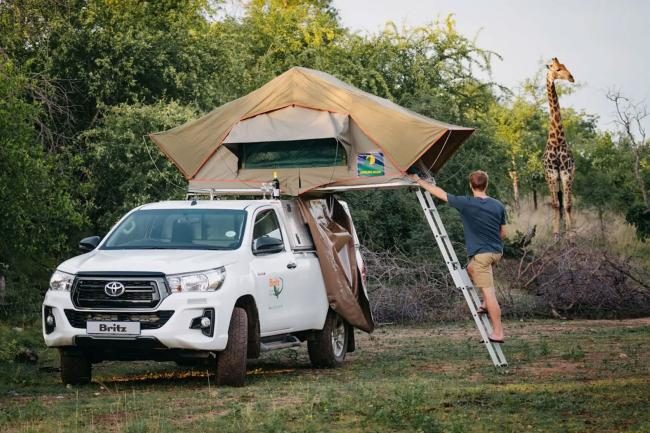
Britz · 4x4 rooftop-tent camper
Toyota Single Cab (SE)
Best for: Couples heading to the parks
Check dates & prices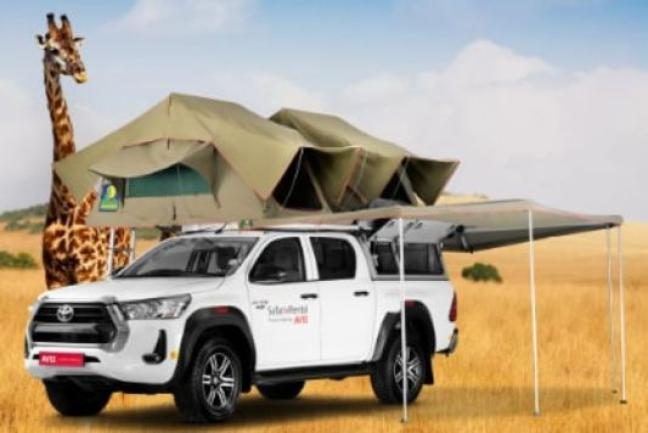
Avis Safari Rental · 4x4 safari camper
Group N Toyota Hilux Luxury Camper
Best for: Families of 4 on safari
Check dates & pricesRental companies in South Africa
We only list established fleets with their own vehicles. No peer-to-peer rentals and no paid rankings.

Britz
Toyota Hilux and Land Cruiser 4x4 campers with rooftop tents or hard-shell canopies, plus the Toyota Navi campervan. Depots in Cape Town and Johannesburg.
View fleet & profile →

Maui
Fully equipped motorhomes (M4B, M6B) with toilet and shower for families on tarred roads. Shares the Britz depots in Cape Town and Johannesburg.
View fleet & profile →

Bobo Campers
South African-owned fleet of Discoverer motorhomes and the FunXA 4x4, based in Johannesburg. Popular for Kruger and Panorama Route trips.
View fleet & profile →

Avis Safari Rental
Fully kitted Toyota Hilux, Ford Ranger and Land Cruiser safari campers for remote and cross-border routes, with depots in South Africa, Namibia and Botswana.
View fleet & profile →
Where to pick up your camper
Western Cape
Cape Town, the Cape Peninsula, the Winelands and the start of the Garden Route. The busiest pickup region.
- Cape Town →
- Cape Town International Airport
Garden Route & Eastern Cape
Knysna's lagoon, Tsitsikamma forest, Addo elephants and the Wild Coast.
Gauteng
Johannesburg is the gateway for Kruger, the Panorama Route, Pilanesberg and cross-border trips.
- Johannesburg →
- Johannesburg International Airport
Mpumalanga & KwaZulu-Natal
Nelspruit (Mbombela) sits an hour from Kruger's southern gates; Durban is the base for the Drakensberg and iSimangaliso.
- Nelspruit →
- Nelspruit Airport →
- Durban →
- Durban International Airport
South Africa camper map: pickups and highlights
Dark blue dots are pickup locations. Tap any other dot to see the nearest pickup and a rough drive time.
South Africa pickup city guides
Southern Africa guides: South Africa · Namibia · Botswana · Mozambique
Top tip
Cape Town and Johannesburg have the widest choice of vehicles. One-way hires between them are common but usually carry a one-way fee; a Cape Town to Port Elizabeth (Gqeberha) Garden Route one-way is often the best-value way to see the coast without doubling back. Check opening hours: many depots close by mid-afternoon and are shut on public holidays.
Trip cost calculator: fuel and campsites
Pick one of the road trips below or type your own distance to estimate fuel and overnight costs in ZAR.
- Plan for (+20% detours)
- 1,200 km
- Fuel (156 litres)
- ZAR 3,565
- Campsites
- ZAR 3,430
- Fuel + campsites
- ZAR 6,995
Road fees: Budget for automated electronic and manual toll plazas on major national highways (N1, N3, N4) alongside daily SANParks conservation fees.
Fuel stations are attended service forecourts accepting major credit cards, though carrying emergency cash is advisable in remote rural areas. Estimates only; rental price, insurance and any mileage charges are shown in your quote.
Why South Africa works so well by camper
South Africa has one of the best-developed camping networks in Africa. Almost every national park run by SANParks has a fenced rest camp with powered sites, hot showers and a shop, and private caravan parks are found in nearly every coastal town. Main roads are tarred and well signposted, distances between highlights on the Garden Route are short, and you can combine a city break, a wine region, a whale-watching coast and a Big Five safari in a single two- or three-week trip. Choose a motorhome for tarred-road touring around the Cape and Garden Route, or a 4x4 with a rooftop tent if you want gravel passes, the Kgalagadi or a cross-border extension into Namibia or Botswana.
Which vehicle suits your group?
Campervan (e.g. Toyota Navi) — couples on tarred roads
- 2 berths, car-like to drive
- Basic kitchen, no toilet
- Easy to park in Cape Town and coastal towns
- Not designed for gravel or game-reserve tracks
Motorhome (4–6 berth) — families on the Cape and Garden Route
- Toilet, shower, fridge and cooker
- Needs powered sites to recharge
- Slow on steep passes; heavy fuel use
- Some gravel park roads are off limits
4x4 with rooftop tent — couples and families going to the parks
- Single or double cab, 2–5 sleepers
- Fridge, dual battery, camping kit, water tank
- Gravel passes, Kgalagadi, Namibia and Botswana
- Pitching the tent takes a few minutes each night
4x4 luxury / hard-shell camper — safari travellers wanting comfort
- Hard-shell canopy or pop-top sleeps inside
- Faster set-up, better in wind and cold
- Higher daily rate and deposit
Best time to travel and weather
Summer (Dec–Feb)
- Best Cape and Garden Route beach weather, dry in the Western Cape
- Hot, humid and rainy in Kruger and KwaZulu-Natal; afternoon storms
- South African school holidays mid-Dec to mid-Jan: book campsites and vehicles months ahead
Autumn (Mar–May)
- Many locals' favourite season: settled weather, fewer crowds
- Good game viewing begins as the bush dries
- Easter weekend is very busy in parks
Winter (Jun–Aug)
- Best Kruger safari season: dry, thin bush, animals at waterholes
- Cold nights (near 0°C inland and in the Drakensberg); bring warm sleeping layers in a rooftop tent
- Rainy, windy Cape Town; snow possible on mountain passes
Spring (Sep–Nov)
- West Coast and Namaqualand wildflowers (usually Aug–Sep)
- Southern right whales at Hermanus (peak Sep–Oct)
- Warm, dry and good value before the summer rush
Classic South Africa road trips
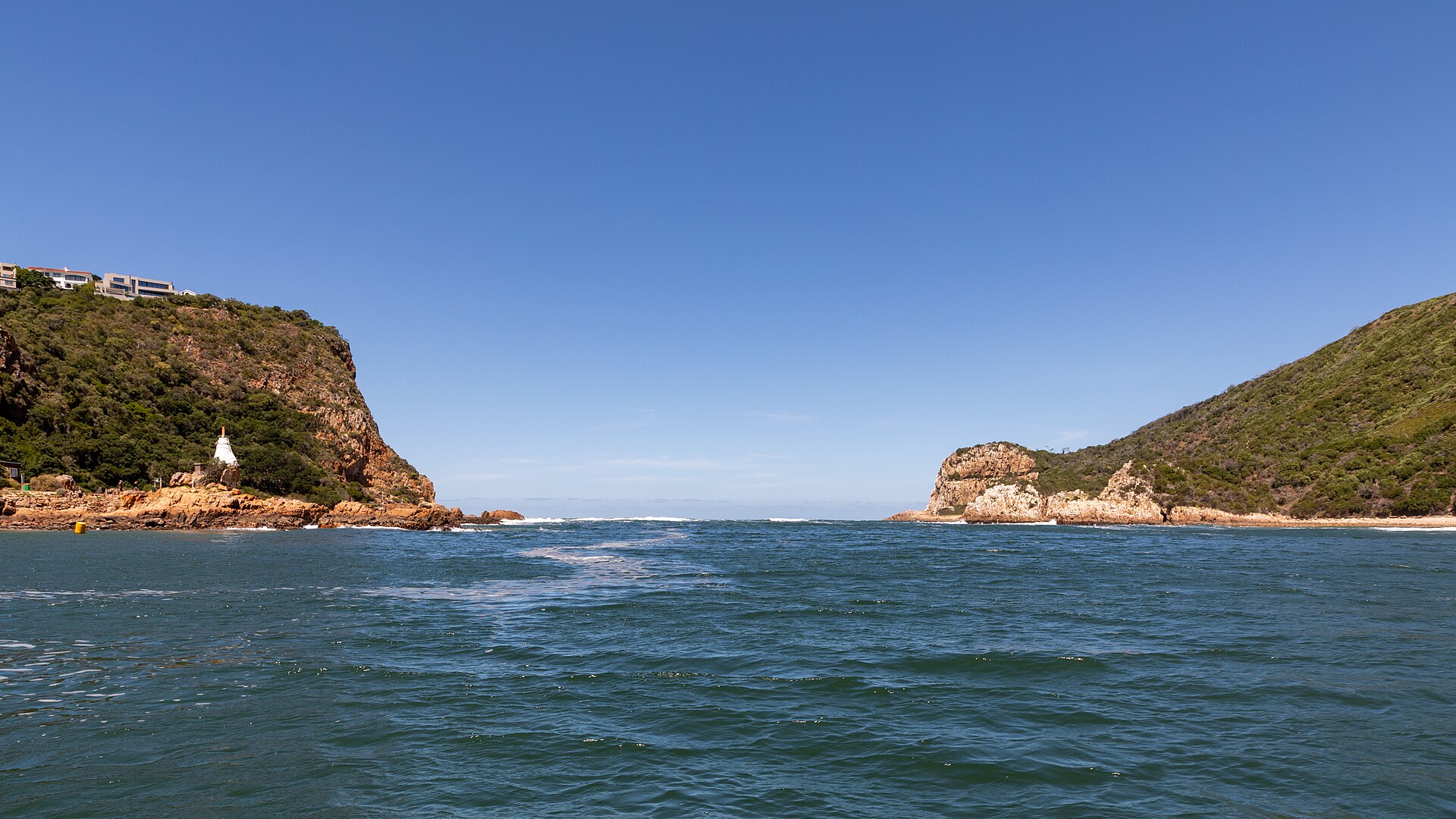
Cape Town to Port Elizabeth (Gqeberha) along the Overberg whale coast, the Garden Route lagoons and the Tsitsikamma forest, with Addo elephants at the end.
Day 1: Cape Town → Hermanus
Driving: 1h45See: Clarence Drive coastal road, Stony Point penguins at Betty's Bay, cliff-path whale watching (Jun–Nov)
Overnight: Hermanus or Onrus caravan park
Day 2: → Cape Agulhas
Driving: 2hSee: Southernmost tip of Africa, lighthouse, Arniston fishing village
Overnight: Agulhas National Park or Struisbaai caravan park
Day 3: → Swellendam
Driving: 2hSee: Historic Dutch Reformed church, Bontebok National Park
Overnight: Bontebok National Park rest camp
Day 4: → Mossel Bay → Wilderness
Driving: 3hSee: Dias Museum, Map of Africa viewpoint
Overnight: Wilderness National Park, Ebb & Flow camp
Day 5–6: → Knysna
Driving: 45mSee: Knysna Heads, lagoon cruise, Brenton-on-Sea, forest walks
Overnight: Knysna lagoon-side caravan park
Day 7: → Plettenberg Bay
Driving: 40mSee: Robberg Nature Reserve hike, Robberg seal colony
Overnight: Plett beach caravan park
Day 8: → Tsitsikamma
Driving: 1hSee: Storms River Mouth suspension bridge, Bloukrans bridge viewpoint
Overnight: Storms River Mouth rest camp (SANParks)
Day 9: → Addo Elephant National Park
Driving: 3hSee: Self-drive game loops for elephant, buffalo and lion
Overnight: Addo main rest camp
Day 10: → Port Elizabeth (Gqeberha)
Driving: 1hSee: Donkin Reserve, Sardinia Bay
Overnight: Drop-off
Must-see
- Storms River Mouth suspension bridge
- Robberg peninsula hike
- Addo's elephant herds
Free stops
- Hermanus cliff path whale watching
- Knysna Heads viewpoint
- Map of Africa viewpoint, Wilderness
Before you go
- Drive east so the sea is on your side for pull-overs.
- Book Tsitsikamma and Addo campsites early for December.
- One-way to Port Elizabeth (Gqeberha) avoids backtracking.
Where to stay overnight
- SANParks rest camps (Kruger, Addo, Tsitsikamma, Wilderness and others) have campsites with power points, ablution blocks and communal kitchens. Book at sanparks.org; popular camps sell out on release, up to 11 months ahead for school holidays.
- CapeNature (Western Cape) and Ezemvelo KZN Wildlife (KwaZulu-Natal) run provincial reserve campsites, often in spectacular spots such as the Cederberg and the Drakensberg.
- Private caravan parks are in almost every coastal and country town; expect roughly R300–R700 a site per night in season.
- Wild or roadside camping is not legal or safe in most of South Africa. Plan every night at an established, fenced campsite.
- Kruger gates and rest-camp gates open and close at set times that change by season; you must be inside your camp before gate closing or you will be fined.
- A SANParks Wild Card pays for itself if you spend more than about a week in national parks; check the international cluster or all-parks options.
Driving rules and road quirks
- Drive on the left. Speed limits are 120 km/h on freeways, 100 km/h on rural roads and 60 km/h in towns unless signed otherwise.
- A valid licence in English with a photo is accepted; otherwise bring an International Driving Permit. Carry your licence and passport at all times.
- Avoid driving after dark: livestock, pedestrians and unlit broken-down vehicles make night driving dangerous, especially in rural areas.
- Four-way stops: the first vehicle to arrive goes first. Minibus taxis stop suddenly; keep your distance.
- Fuel stations are full service. An attendant fills the tank and cleans the windscreen; a small tip (R5–R10) is customary. Most accept cards.
- Toll roads (e.g. N1, N3, N4) take cards or cash. Inside Kruger the limit is 50 km/h on tar and 40 km/h on gravel, and you must stay in your vehicle except at designated spots.
- Check your contract before driving on gravel: most motorhome rentals restrict unpaved roads, while 4x4 campers allow them.
What a South Africa camper trip costs
Rough planning figures in South African rand (ZAR) for a couple. Rental rates vary hugely by season, so use the search above for live prices.
| Campervan (2 berth) | Low season from about R900 a day; peak December from about R2,000 a day |
|---|---|
| 4x4 rooftop-tent camper | Roughly R1,500–R3,500 a day depending on vehicle, season and insurance |
| Motorhome (4–6 berth) | Roughly R2,000–R4,500 a day; peak December highest |
| Campsites | SANParks rest camps from about R400–R800 a site; private caravan parks R300–R700 |
| Fuel | Diesel and petrol are set monthly by the government; budget roughly R22–R25 a litre and check current prices before you go |
| Park conservation fees | Kruger charges international visitors a daily conservation fee per person; a Wild Card can work out cheaper |
| One-way fee | Often charged for Cape Town–Johannesburg or Cape Town–Port Elizabeth drops; shown before you pay |
Staying safe and comfortable
- Keep doors locked and valuables out of sight when driving through cities, and at traffic lights in Johannesburg and Cape Town.
- Park in guarded or busy areas; car guards in high-vis vests will watch your vehicle for a small tip.
- Kruger, the Lowveld and northern KwaZulu-Natal are malaria areas, mainly October to May. Ask a travel clinic about prophylaxis.
- Rolling power cuts (load-shedding) have eased but can return. Campsites and fuel stations usually have backup; keep the vehicle fridge running on the second battery.
- Never feed baboons or monkeys, especially on the Cape Peninsula: lock doors and windows as they will open unlocked vehicles.
- Tap water is safe to drink in most cities and many campsites; fill the camper's tank where signs say it is potable.
Taking your camper into neighbouring countries
- Most 4x4 camper suppliers allow travel to Namibia, Botswana, Eswatini and Lesotho with advance notice and a cross-border fee. Motorhomes are often restricted to South Africa.
- You need a letter of authority from the rental company plus the vehicle registration papers to cross a border. Request it when you book.
- Mozambique, Zimbabwe and Zambia are permitted by fewer suppliers and may need extra insurance. Ask us before booking.
- Lesotho's Sani Pass is 4x4-only and steep; check your contract allows it.
Day 1: first-timer checklist
- Many visitors (including UK, EU, US, Canadian, Australian and New Zealand passport holders) can enter South Africa visa-free for up to 90 days. Check your own nationality before travel.
- Your passport needs at least two blank pages and 30 days' validity beyond your departure date.
- Allow about two hours for the vehicle handover; 4x4 campers include a walk-through of the rooftop tent, fridge, battery and recovery kit.
- Stock up at a large Checkers, Pick n Pay, Woolworths or Spar before leaving town. Shops inside national parks are small and pricier.
- Buy a local SIM or eSIM (Vodacom or MTN have the best rural coverage) and download offline maps.
- Don't plan a long drive on day one after a long-haul flight; aim for a campsite within two hours of the depot.
Must-do and must-try in South Africa
Must-do moments
- Sunrise game drive in Kruger
- Table Mountain cableway or Platteklip Gorge hike
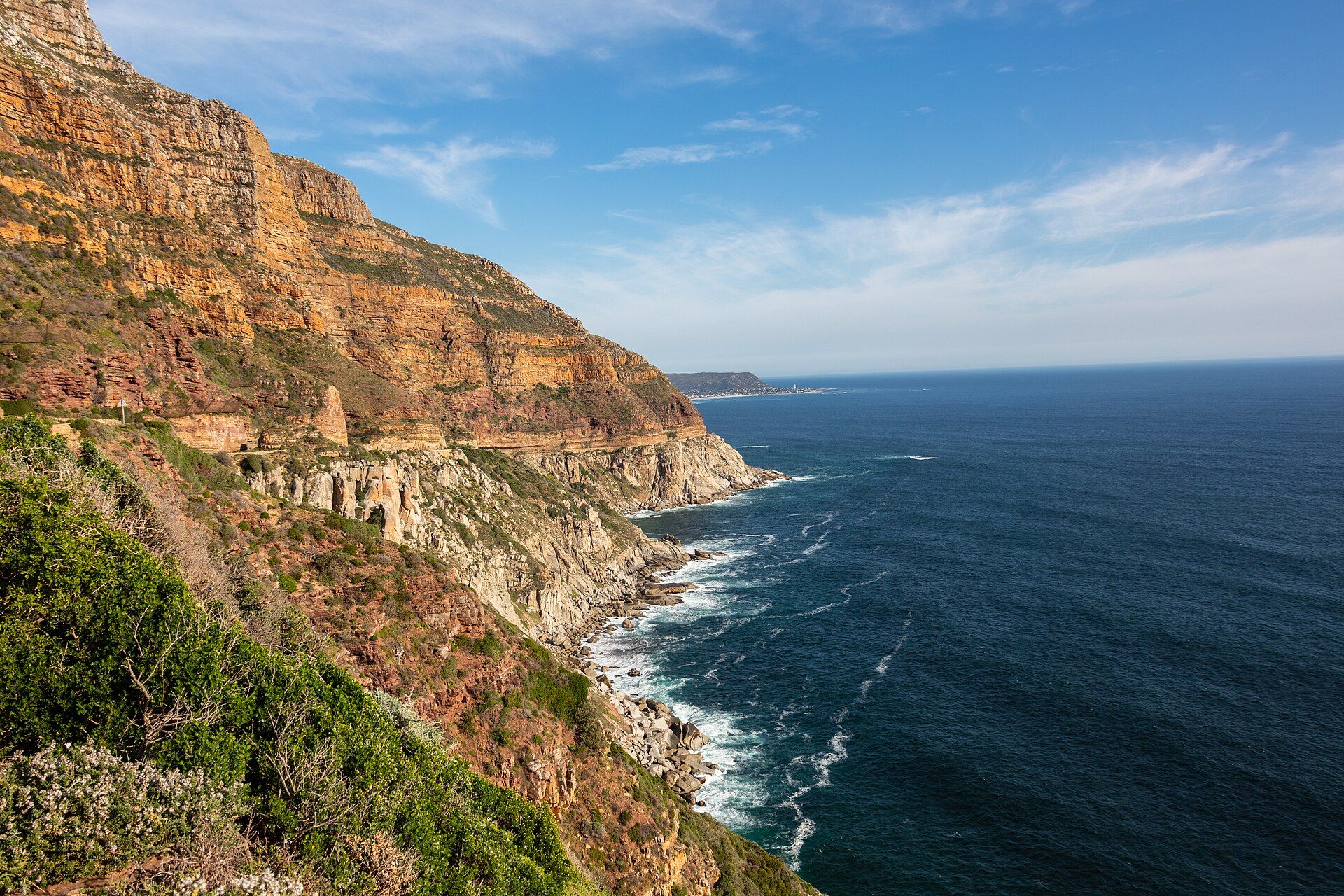
- Chapman's Peak Drive at sunset
- Boulders Beach penguins
- Whale watching at Hermanus
- Blyde River Canyon viewpoints
Must-try food
- A braai (barbecue) with boerewors at your campsite
- Bunny chow curry in Durban
- Bobotie and Cape Malay curries
- Biltong and droëwors road-trip snacks
- Fresh West Coast crayfish and snoek
- Winelands cellar-door tastings
Wildlife
- Big Five in Kruger and Hluhluwe-iMfolozi
- Elephants at Addo
- African penguins at Boulders Beach and Betty's Bay
- Southern right whales on the Overberg coast
- Black-maned lions in the Kgalagadi
Local apps and emergency numbers
- SANParks app and sanparks.org: rest-camp bookings, gate times and conservation fees.
- Latest Sightings app: real-time Kruger wildlife sightings shared by visitors.
- Waze or Google Maps with offline areas downloaded.
- Emergency: 10111 police, 10177 ambulance, 112 from any mobile phone.
- Breakdown: call your rental company's 24-hour roadside number first; it is on the key tag and contract.
Official live links
- SANParks — National park bookings, gate times and fees
- CapeNature — Western Cape reserve campsites
- Ezemvelo KZN Wildlife — KwaZulu-Natal park bookings
- Department of Home Affairs — Official visa and entry requirements
- South African Weather Service — Forecasts and warnings
South Africa camper FAQs
Is it safe to travel South Africa by campervan?
Yes, for most travellers who take sensible precautions: stay at established campsites, avoid driving after dark, keep valuables out of sight and lock the vehicle. Hundreds of thousands of visitors self-drive the Garden Route and Kruger every year.
Do I need a 4x4 in South Africa?
Not for the Cape, Garden Route, Drakensberg or Kruger's main roads, which are tarred or good gravel. Choose a 4x4 for the Cederberg, Kgalagadi, Lesotho's passes or cross-border trips to Namibia and Botswana.
Can I drive a campervan into Kruger National Park?
Yes. Campervans, motorhomes and 4x4 campers are all allowed on Kruger's public roads and in rest-camp campsites. Book campsites at sanparks.org well ahead, and arrive before gate closing time.
What licence do I need to rent a camper in South Africa?
A full licence held for at least one or two years (depending on supplier). If it isn't in English with a photo, carry an International Driving Permit. Minimum driver age is usually 21–25.
Can I pick up in Cape Town and drop off in Johannesburg?
Usually yes, with a one-way fee. Garden Route one-ways from Cape Town to Port Elizabeth (Gqeberha) are also popular and often cheaper.
When is the best time for a South Africa road trip?
September to April is best for the Cape and Garden Route; May to October is best for Kruger game viewing. Spring (September–November) is a good compromise for a whole-country trip.
Is fuel expensive in South Africa?
Fuel prices are regulated and change monthly. Budget for roughly 12–15 litres per 100 km in a 4x4 camper and slightly more in a large motorhome.
How does the Price Beat Guarantee work?
Find a lower price and we'll beat it. The quote must be for the same vehicle from the same supplier, with identical depots, dates and times, matching inclusions, mileage and excess options, and be live and verifiable before you book. Conditions apply — see our terms.