
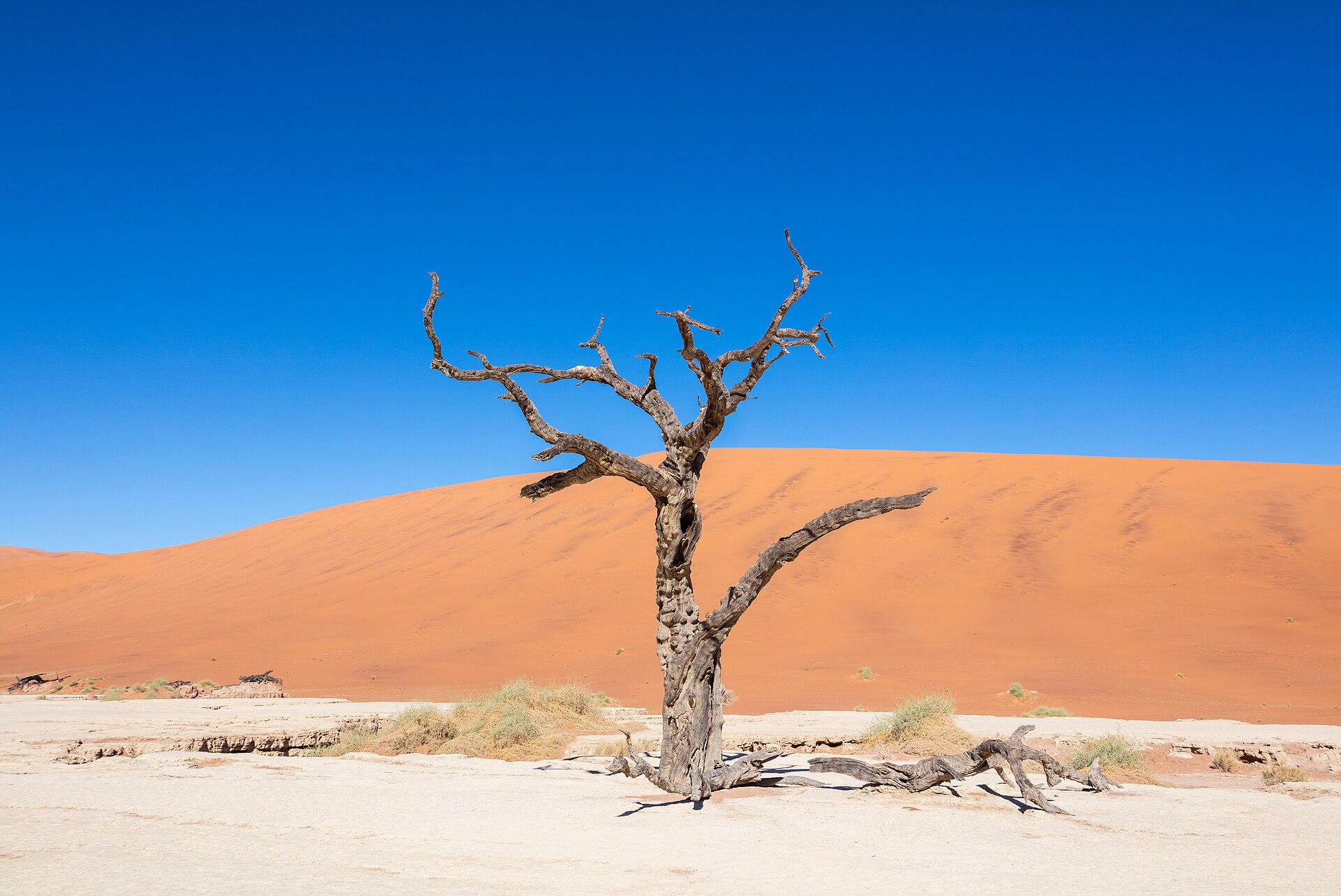
Real vehicles you can book
Tap a vehicle to see its photos, floorplan and live prices for your dates.
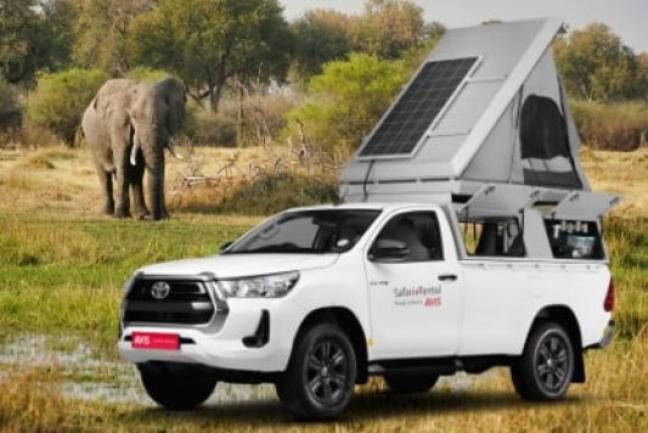
Avis Safari Rental · 4x4 rooftop-tent camper
Group A Hilux / Ranger Single Cab 4x4
Best for: Couples on a budget
Check dates & prices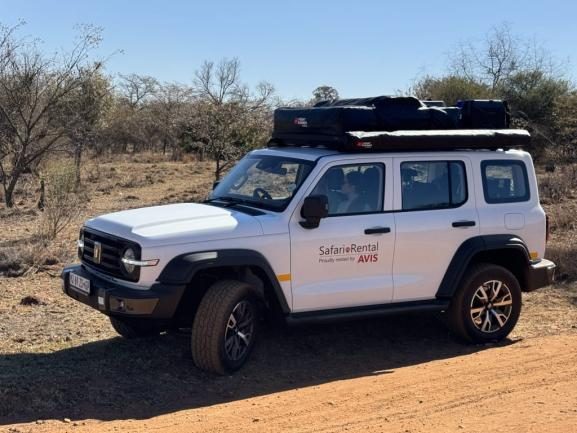
Avis Safari Rental · 4x4 safari camper
Group B Safari Camper
Best for: Couples
Check dates & prices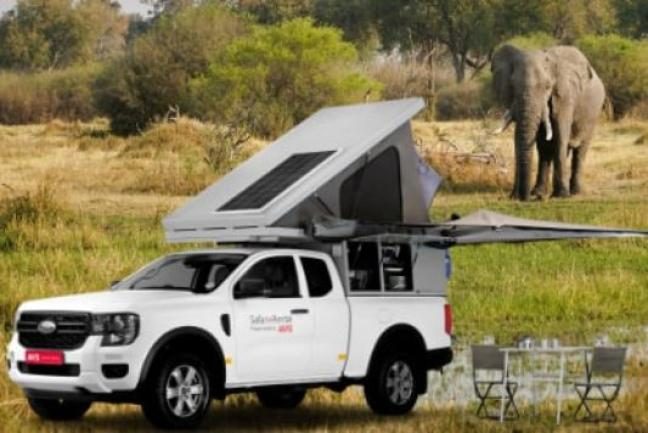
Avis Safari Rental · 4x4 safari camper
Group L Ford Ranger Safari Camper
Best for: Couples wanting comfort
Check dates & prices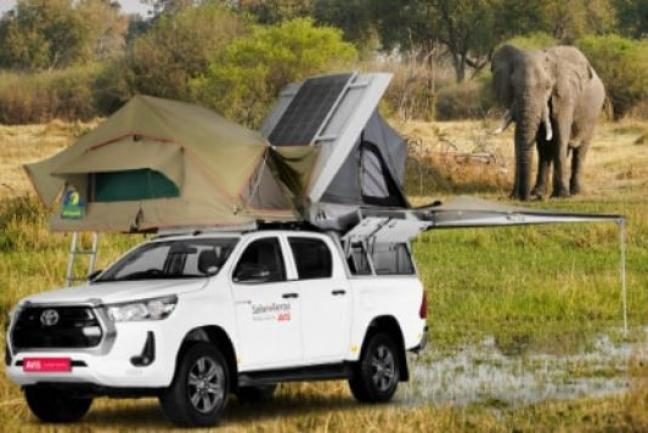
Avis Safari Rental · 4x4 double-cab camper
Group O Hilux Double Cab 4x4
Best for: Families of 4
Check dates & prices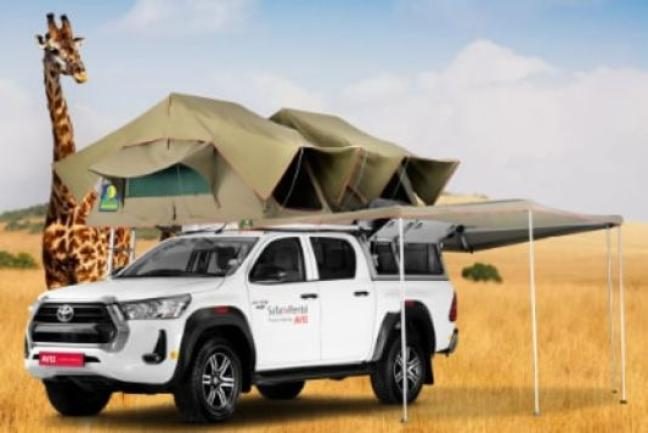
Avis Safari Rental · 4x4 luxury camper
Group N Hilux Luxury Camper
Best for: Families of 4
Check dates & prices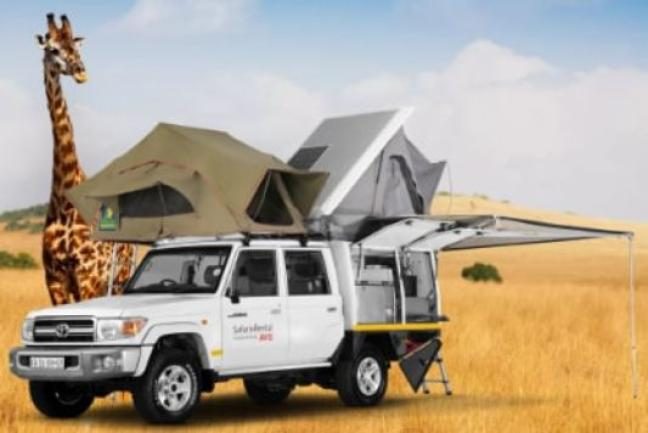
Avis Safari Rental · Land Cruiser 4x4
Group C Toyota Land Cruiser
Best for: Remote routes, groups of 4
Check dates & pricesRental companies in Namibia
We only list established fleets with their own vehicles. No peer-to-peer rentals and no paid rankings.

Where to pick up your 4x4 camper
Windhoek
The capital and main pickup hub, 45 km from Hosea Kutako International Airport. Best for loops via Sossusvlei and Etosha.
- Windhoek →
- Windhoek International Airport
Atlantic coast
Walvis Bay and Swakopmund: lagoon flamingos, Sandwich Harbour dunes and the start of the Skeleton Coast.
Namibia 4x4 camper map: pickups and highlights
Dark blue dots are pickup locations. Tap any other dot to see the nearest pickup and a rough drive time.
Namibia pickup city guides
Southern Africa guides: South Africa · Namibia · Botswana · Mozambique
Top tip
Most visitors collect in Windhoek and drive a loop. A one-way to Walvis Bay saves a day of backtracking but usually costs a one-way fee. Collect in the morning: you do not want to drive gravel roads at dusk on day one. Many travellers book a guesthouse night in Windhoek first to recover from the flight.
Trip cost calculator: fuel and campsites
Pick one of the road trips below or type your own distance to estimate fuel and overnight costs in NAD.
- Plan for (+20% detours)
- 1,680 km
- Fuel (218 litres)
- NAD 4,914
- Campsites
- NAD 3,380
- Fuel + campsites
- NAD 8,294
Road fees: Namibia has no toll motorways, but modest national park conservation fees are charged per person and per vehicle upon entry.
Long distances between remote desert settlements mean you should carry a secondary tank or jerry cans and refill at every available filling station. Estimates only; rental price, insurance and any mileage charges are shown in your quote.
Why Namibia is made for a 4x4 camper
Namibia is one of the least densely populated countries on earth, with a road network that is mostly well-graded gravel and a camping culture built around self-drivers. Community and private campsites typically give every pitch its own shade tree, braai area and often a private ablution block. A 4x4 with a rooftop tent, fridge and full camping kit lets you sleep at Sesriem for sunrise on the dunes, stay inside Etosha for floodlit waterhole viewing and reach remote places like Spitzkoppe and Damaraland. Distances are long and services sparse, so planning, fuel discipline and a sensible pace matter more here than almost anywhere else.
Which vehicle suits your group?
Single-cab 4x4 with rooftop tent — couples
- Sleeps 2 in a rooftop tent
- Fridge/freezer, dual battery, water tank, gas cooker
- Lowest daily rate
- Luggage goes in the canopy
Double-cab 4x4 with two rooftop tents — families of 3–4
- Two tents on the roof
- Rear seats with seat belts for children
- More cabin space for long gravel days
Safari / luxury camper — couples wanting comfort
- Pop-top or hard-shell canopy
- Quicker set-up and warmer in winter
- Some include an inside bed
Land Cruiser — remote routes
- Toughest vehicle for the Kaokoland and long sand tracks
- Long-range fuel tank
- Highest rate and deposit
Best time to travel and weather
Dry winter (May–Oct)
- Peak self-drive season: clear skies and the best Etosha game viewing
- Very cold nights in the desert (below 0°C at Sossusvlei possible June–August)
- July–October is busiest; book campsites inside Etosha and at Sesriem months ahead
Hot shoulder (Nov–Dec)
- Extreme heat inland, often 35–40°C
- Animals still gather at waterholes before rains
- Good availability outside Christmas
Green season (Jan–Apr)
- Afternoon thunderstorms in the north and east; dunes stay mostly dry
- Some gravel roads and river crossings flood temporarily
- Lush landscapes, newborn animals and excellent birding; lowest rates
Coast all year
- Swakopmund is cool and often foggy, 15–20°C
- Pack a warm jacket even in summer
Classic Namibia road trips
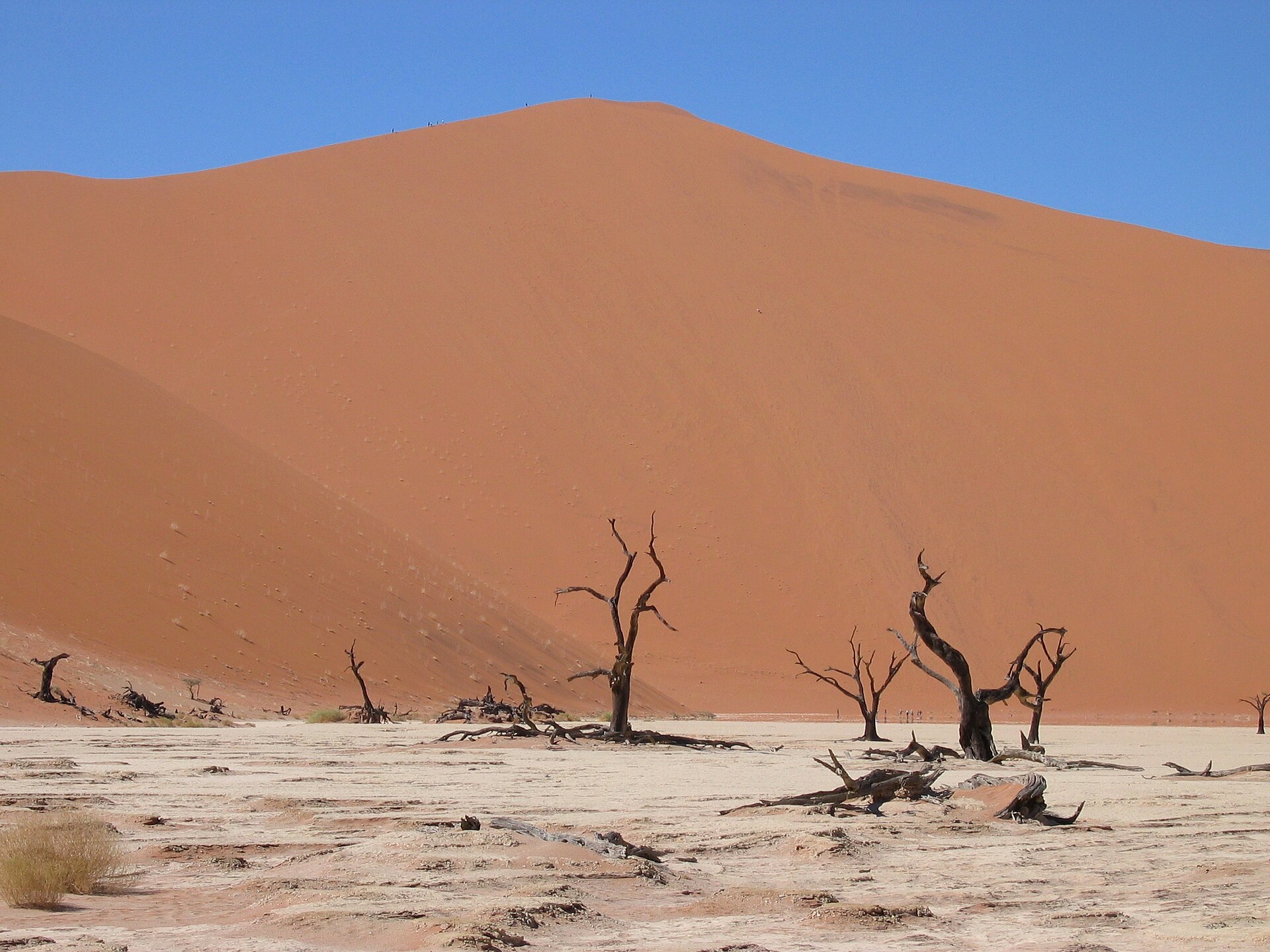
Windhoek loop through the Namib-Naukluft dunes, Swakopmund and the Kuiseb canyon.
Day 1: Windhoek → Kalahari edge (Mariental)
Driving: 3hSee: Hardap Dam, red-dune Kalahari sundowner
Overnight: Kalahari Anib or Bagatelle campsite
Day 2: → Sesriem
Driving: 4h (gravel)See: Duwisib Castle option, Tsaris Pass
Overnight: Sesriem Campsite or Dead Valley Lodge camping (inside the park gate)
Day 3: Sossusvlei
Driving: 65 km tar + 4x4 sandSee: Dune 45 at sunrise, Big Daddy climb, Deadvlei's dead camelthorn trees, Sesriem Canyon
Overnight: Sesriem Campsite
Day 4: → Solitaire → Walvis Bay
Driving: 5h (gravel)See: Apple pie at Solitaire, Gaub and Kuiseb passes, Tropic of Capricorn sign
Overnight: Walvis Bay or Long Beach campsite
Day 5: Walvis Bay & Swakopmund
Driving: 30mSee: Flamingos on the lagoon, Sandwich Harbour (guided 4x4 tour), Moon Landscape
Overnight: Swakopmund caravan park
Day 6: → Spitzkoppe
Driving: 2hSee: Granite domes, Bushman's Paradise rock art, Rock Arch
Overnight: Spitzkoppe community campsite
Day 7: → Okahandja
Driving: 3hSee: Wood carvers' market
Overnight: Okahandja guest farm camping
Day 8: → Windhoek
Driving: 1hSee: Christuskirche, Joe's Beerhouse
Overnight: Drop-off
Must-see
- Sunrise on Dune 45
- Deadvlei
- Sandwich Harbour
Free stops
- Tropic of Capricorn sign
- Walvis Bay lagoon flamingos
- Moon Landscape near Swakopmund
Before you go
- Stay inside the Sesriem gate to reach the dunes before sunrise.
- Deflate tyres for the final sand section or take the park shuttle.
- Pack warm layers: desert nights are freezing in winter.
Where to stay overnight
- Inside Etosha (Okaukuejo, Halali, Namutoni, Olifantsrus) and at Sesriem, campsites are run by Namibia Wildlife Resorts (NWR) or concessions; book early for July–October.
- Community campsites (Spitzkoppe, Aba-Huab and many in Damaraland and Kaokoland) channel income to local communities and are often in the most beautiful spots.
- Private guest-farm campsites usually give each pitch shade, a braai, water and sometimes a private shower and toilet.
- Wild camping is discouraged and illegal on private and communal land without permission; almost all of Namibia's land is owned or managed.
- Expect roughly N$250–N$600 per person per night; some prices are per site.
- Firewood is sold at most campsites and fuel stations; do not collect wood in parks.
Driving rules and road quirks
- Drive on the left. The national speed limit is 120 km/h on tar and 100 km/h on gravel outside towns, but 80 km/h is the safe maximum on gravel and many rental contracts insist on it.
- Most accidents involving tourists are single-vehicle rollovers on gravel: slow down on corners, loose sand and corrugations, and never brake hard mid-corner.
- Do not drive between sunset and sunrise. Wildlife, livestock and unlit vehicles make it dangerous, and most rental contracts prohibit it.
- Fill up at every fuel station you pass in remote areas, even when half full. Some stations accept cash only and run out of fuel.
- Tyre punctures are common: most campers carry two spare wheels. Learn the jack and compressor at handover.
- Headlights on at all times outside towns is advised. Police roadblocks are routine; carry your licence and rental papers.
- Your licence must be in English with a photo, or accompanied by an International Driving Permit.
What a Namibia 4x4 camper trip costs
Planning figures for a couple. The Namibian dollar (N$) is pegged 1:1 to the South African rand, and rand notes are accepted everywhere.
| Single-cab 4x4 camper | Roughly N$1,500–N$3,000 a day depending on season and insurance |
|---|---|
| Double-cab / luxury camper | Roughly N$2,500–N$4,500 a day |
| Campsites | About N$250–N$600 per person per night |
| Etosha park fees | Daily per-person and per-vehicle fees, paid at the gate |
| Fuel | Regulated monthly; budget roughly N$22–N$25 a litre and 13–16 litres per 100 km on gravel |
| Cross-border fee | Charged by the rental company for Botswana, South Africa or Zambia; road permit payable at the border |
| Deposit | Large credit-card security deposit, often N$20,000 or more, reduced with excess-waiver insurance |
Visas and entry requirements
- Since 1 April 2025 Namibia requires visitors from many countries that were previously visa-exempt, including the UK, the USA, most EU countries, Canada and Australia, to obtain a visa. Visas are available online (e-visa) or on arrival at main entry points. Check the official portal before travel.
- Your passport must be valid for at least six months with at least two blank pages.
- Travellers with children should carry birth certificates showing both parents' names.
- Yellow fever vaccination certificates are required if arriving from a yellow fever risk country.
Combining Namibia with Botswana or South Africa
- Cross-border travel to Botswana, South Africa and Zambia is usually allowed with advance notice, a letter of authority and a cross-border fee. Request it at booking time.
- The Caprivi (Zambezi Region) strip leads to Kasane, Chobe and Victoria Falls; allow two days from Etosha.
- Botswana's veterinary fences restrict carrying fresh meat and dairy across some checkpoints.
Day 1: first-timer checklist
- Collect your camper in the morning and ask for a full demonstration of the rooftop tent, fridge, dual battery, compressor and tyre change.
- Shop at a big Checkers, Spar, Pick n Pay or Woermann Brock in Windhoek: rural shops have little fresh produce.
- Carry at least 20 litres of drinking water in addition to the vehicle's tank.
- Buy an MTC SIM or eSIM: coverage is good in towns and along main roads, absent in large areas of the desert.
- Download offline maps (Tracks4Africa or maps.me are popular) and do not rely on mobile signal.
- Withdraw some cash: smaller fuel stations and community campsites may not take cards.
Must-do and must-try in Namibia
Must-do moments
- Dune 45 or Big Daddy at sunrise
- Deadvlei's black trees against white clay
- A night at Okaukuejo's floodlit waterhole
- Stars over the Namib (one of the darkest skies on earth)
- Spitzkoppe's granite arch
- Kolmanskop ghost town
Must-try food
- Game meat braai: oryx, kudu or springbok
- Solitaire's famous apple pie
- Swakopmund oysters and German bakeries
- Biltong and droëwors
- Windhoek and Tafel lagers
Wildlife
- Black rhino and elephant at Etosha's waterholes
- Desert-adapted elephants in Damaraland
- Cape fur seals at Cape Cross
- Flamingos at Walvis Bay lagoon
- Wild horses near Aus
Local apps and emergency numbers
- Namibia Wildlife Resorts (nwr.com.na): Etosha, Sesriem and Ai-Ais bookings.
- Tracks4Africa or iOverlander for offline routes, campsites and fuel stops.
- Emergency: 10111 police; 112 from mobile phones on some networks. Save your rental company's 24-hour number and any private medical rescue number provided.
- Medical: Windhoek has good private hospitals; consider travel insurance with medical evacuation cover.
Official live links
- Namibia Wildlife Resorts — Etosha and Sossusvlei campsite bookings
- Namibia Tourism Board — Official tourism information
- Ministry of Home Affairs e-visa portal — Official visa application
- Namibia Meteorological Service — Forecasts
Namibia 4x4 camper FAQs
Do I really need a 4x4 in Namibia?
For most itineraries, yes. Main routes are gravel, the last 5 km to Sossusvlei is deep sand, and many campsites are on rough tracks. All campers we list for Namibia are 4x4s.
How long do I need in Namibia?
Ten days covers Sossusvlei, Swakopmund and Etosha at a reasonable pace. Two to three weeks lets you add Damaraland, the Skeleton Coast or the deep south without long daily drives.
Is Namibia safe for self-drive?
Namibia is generally regarded as one of Africa's safest self-drive destinations. The main risks are on the road: driving too fast on gravel and driving at night. Take normal precautions with valuables in Windhoek.
Do UK and US citizens need a visa for Namibia?
Yes, since 1 April 2025. Apply online in advance or obtain a visa on arrival at main entry points. Check the official portal for current fees and rules.
Can I take a Namibian rental into Botswana?
Usually yes with advance notice, a cross-border letter and fee from the rental company. Combining Etosha, the Caprivi Strip, Chobe and Victoria Falls is a popular route.
How far in advance should I book?
For July to October, book the vehicle and Etosha and Sesriem campsites 6–12 months ahead. Namibia's 4x4 fleet is limited and peak dates sell out.
How does the Price Beat Guarantee work?
Find a lower price and we'll beat it. The quote must be for the same vehicle from the same supplier, with identical depots, dates and times, matching inclusions, mileage and excess options, and be live and verifiable before you book. Conditions apply — see our terms.