
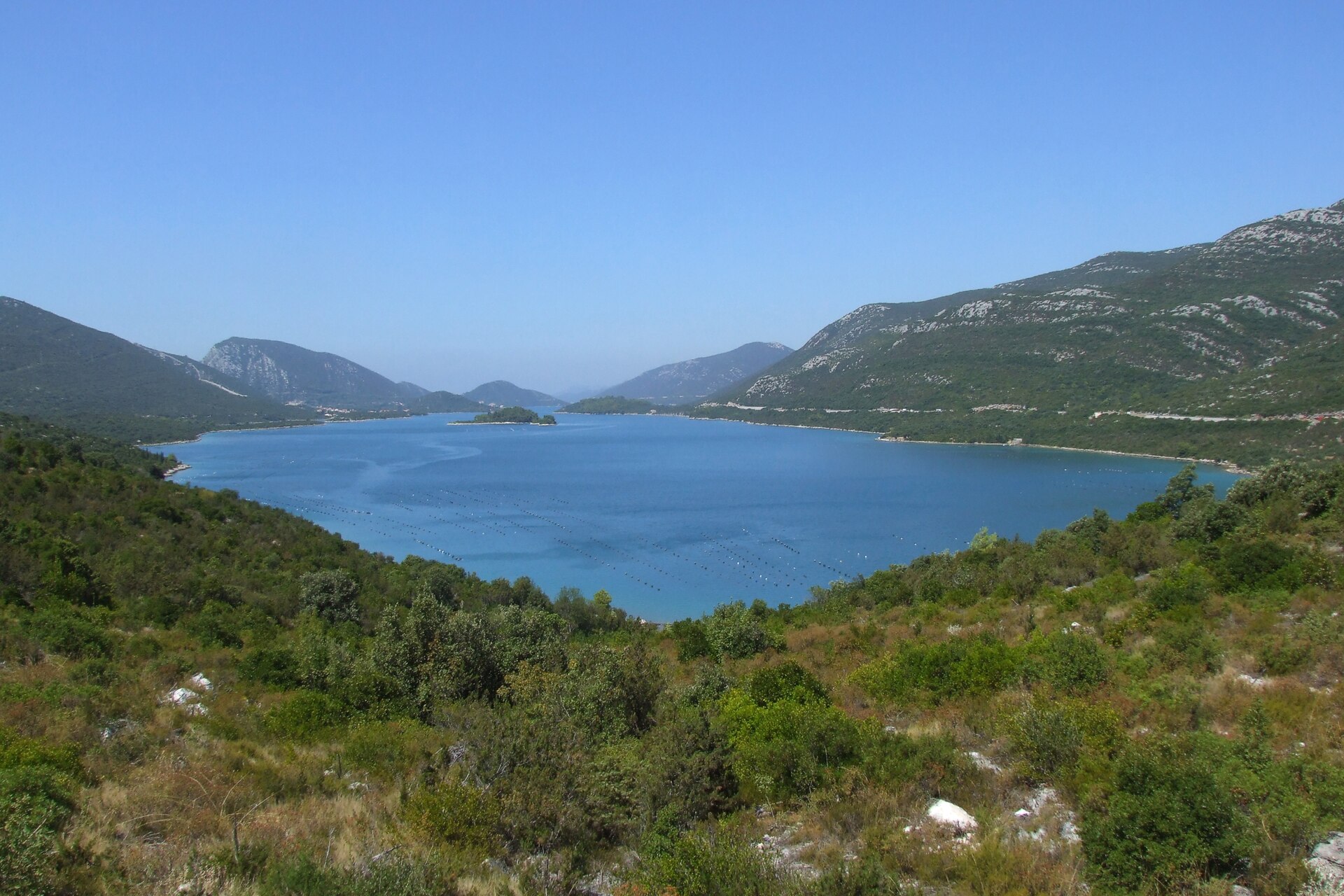
Real vehicles you can book
Tap a vehicle to see its photos, floorplan and live prices for your dates.
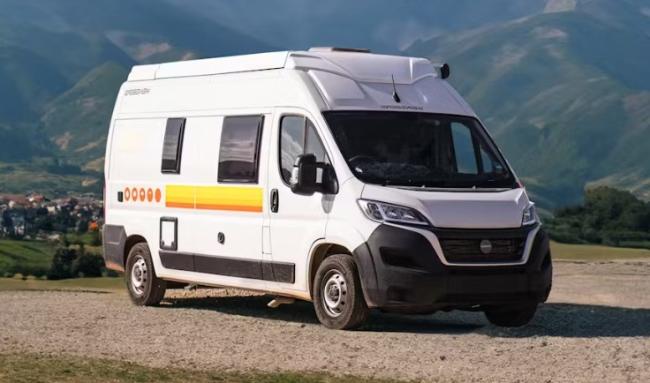
Indie Campers · Campervan · sleeps 2
Active Bunk
Best for: Couples
Check dates & prices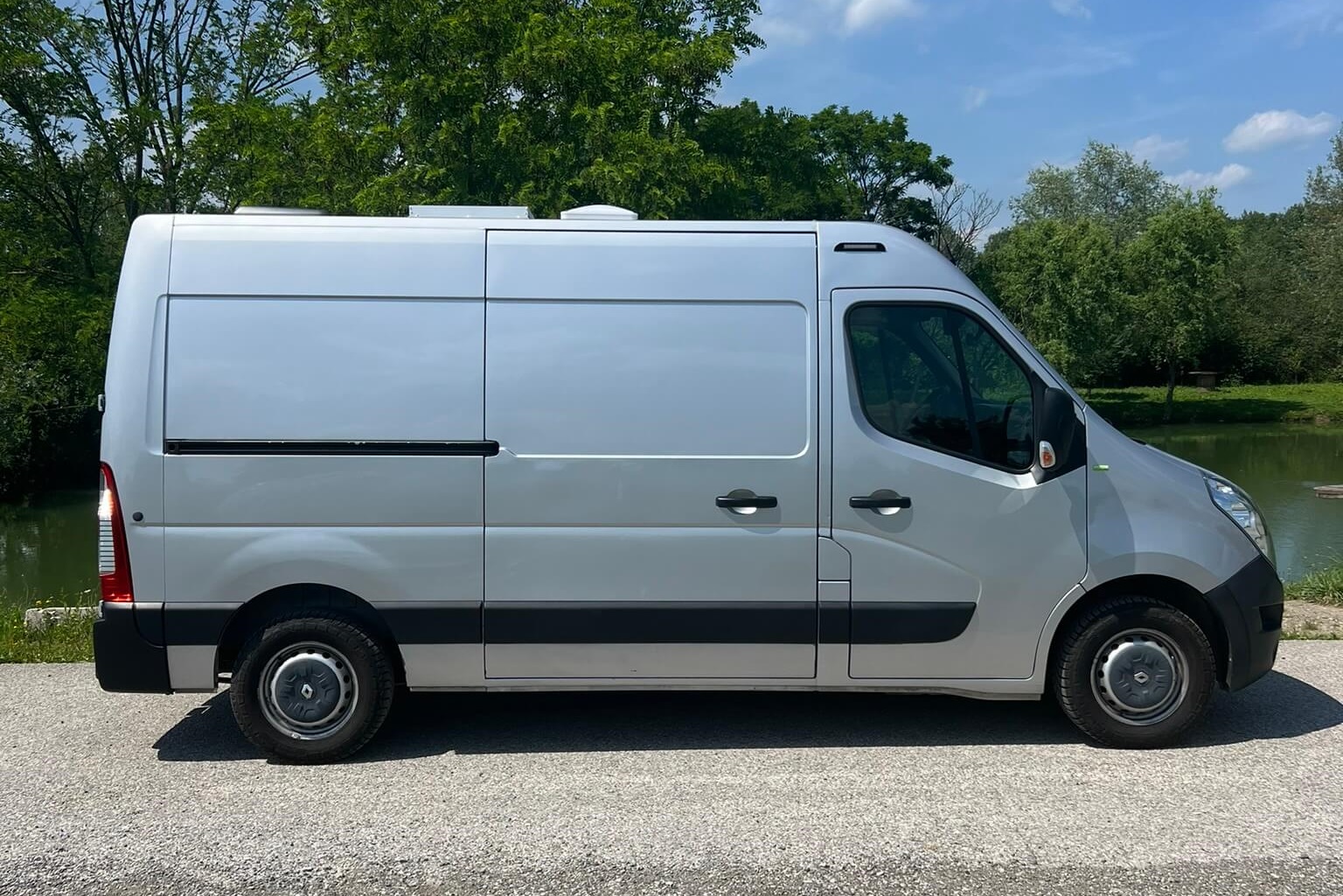
Petroni · Campervan · sleeps 2
BudgetVan 55
Best for: Couples
Check dates & prices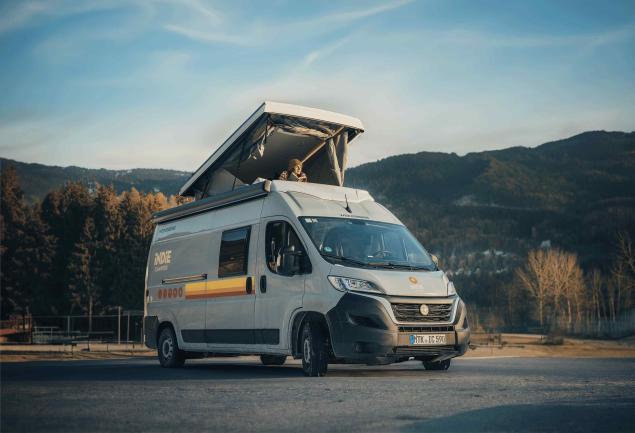
Indie Campers · Campervan · sleeps 2
Active Pop Top Auto Select
Best for: Couples
Check dates & prices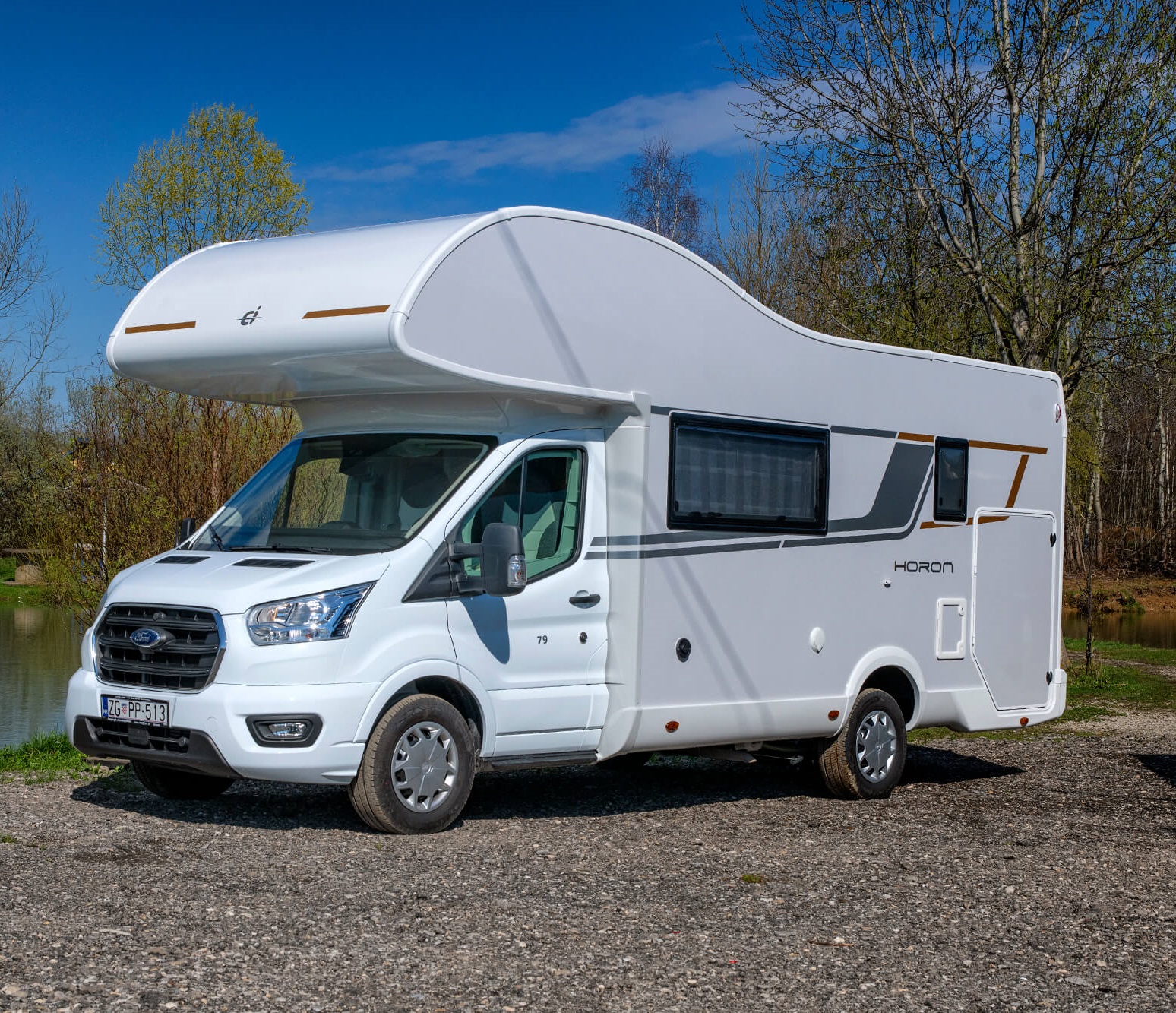
Petroni · Campervan · sleeps 2
CI Horon 79M
Best for: Couples
Check dates & prices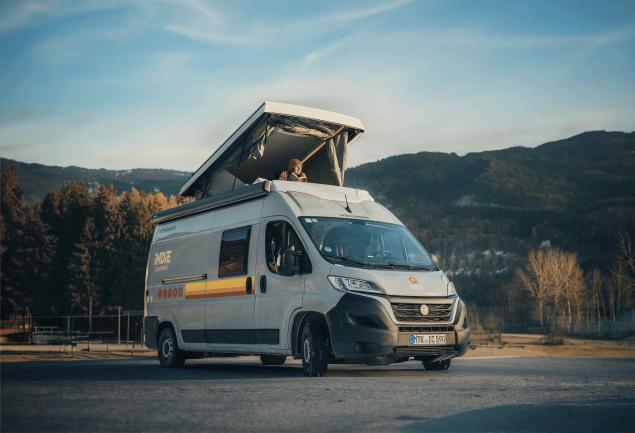
Indie Campers · Campervan · sleeps 2
Active Pop Top Manual
Best for: Couples
Check dates & prices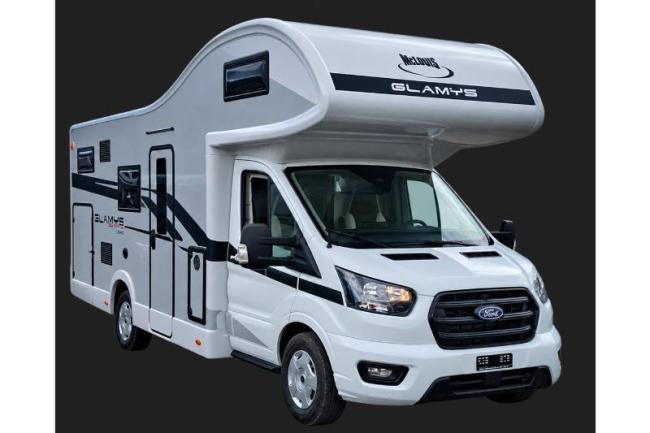
Petroni · Campervan · sleeps 2
McLouis Glamys 320
Best for: Couples
Check dates & pricesRental companies in Croatia
We only list established fleets with their own vehicles. No peer-to-peer rentals and no paid rankings.

Indie Campers
Runs modern compact campervans and coachbuilt motorhomes, with pickup hubs near regional airports including Split and Zagreb.
View fleet & profile →
Petroni
A long-running Croatian motorhome specialist near Zagreb, with fully equipped, family-friendly motorhomes and solid domestic support.
View fleet & profile →
Where to pick up your campervan
Dalmatia
Covers the central and southern coast, with mountain passes, old Venetian ports, and ferries out to the southern islands.
Istria & Kvarner
Olive groves, medieval hilltop villages, Roman amphitheatres and sheltered gulf bays, all in the northern Adriatic.
Continental Croatia
Home to the capital's Austro-Hungarian architecture, and a good inland base for trips south to the Plitvice karst plateau.
Croatia campervan map: pickups and highlights
Dark blue dots are pickup locations. Tap any other dot to see the nearest pickup and a rough drive time.
Croatia pickup city guides
More European guides: Albania · Austria · Belgium · Bosnia · Bulgaria · Czech Republic · Denmark · Estonia · Finland · France · Germany · Greece · Hungary · Iceland · Ireland · Italy · Latvia · Liechtenstein · Lithuania · Luxembourg · Macedonia · Monaco · Montenegro · Netherlands · Norway · Poland · Portugal · Romania · Serbia · Slovakia · Slovenia · Spain · Sweden · Switzerland
Top tip
Airport depots often need a pre-booked shuttle to an off-site depot a few kilometres from the terminal. Check the undercarriage and tyres before you leave - gravel roads at rural campsites and coastal approaches can be rough on steering and suspension.
Trip cost calculator: fuel and campsites
Pick one of the road trips below or type your own distance to estimate fuel and overnight costs in EUR.
- Plan for (+20% detours)
- 504 km
- Fuel (66 litres)
- €102
- Campsites
- €230
- Fuel + campsites
- €332
Road fees: Motorway tolls are distance-based, paid at exit booths. The Pelješac and Krk bridges are toll-free. Car ferries cost €30 to €70 per crossing, depending on vehicle length.
Diesel prices are capped nationally from time to time, so prices stay fairly similar whether you're at a motorway station or in a regional town. Estimates only; rental price, insurance and any mileage charges are shown in your quote.
Why explore Croatia by campervan?
Few European countries suit independent road travel like Croatia. The Adriatic Highway (Jadranska Magistrala) hugs limestone cliffs that drop straight into blue water, with sea views round nearly every bend. In a campervan or motorhome, you can wake by the shore at family-run coastal autocamps, eat fresh seafood in quiet fishing harbours, and head inland to pine-scented national parks like Plitvice Lakes and Paklenica. The Pelješac Bridge now gives you a border-free run down to southern Dalmatia, and car ferries link you to islands like Krk, Cres and Brač. With solid camping infrastructure and sunshine from spring to late autumn, Croatia makes for a scenic, self-contained road trip.
Which vehicle suits your group?
Compact Campervan — Solo travellers and couples who want an easy drive on narrow island roads and mountain passes.
- Based on car-length chassis like the Volkswagen Transporter or Renault Trafic
- Pop-top roof bed or fold-out rear double bed, with a portable gas cooker
- Easy to park in historic coastal car parks and fits standard ferry tariff brackets
High-Top Campervan (Panel Van Conversion) — Couples or small families who want self-contained living with full standing height inside.
- Built on medium-wheelbase chassis such as Fiat Ducato or Peugeot Boxer
- Integrated wet room with chemical cassette toilet and hot-water shower
- Indoor kitchenette with compressor fridge and a fixed rear double bed
Low-Profile Motorhome (Semi-Integrated) — Small families or two couples who want touring comfort with a permanent living area.
- Rear bedroom plus an electric drop-down bed over the front dining lounge
- Large under-floor garage for outdoor furniture and bikes
- Under 3.5 tonnes gross weight, so you can drive it on a standard car licence
Overcab Coachbuilt Motorhome — Larger families or groups who need separate berths and maximum headroom.
- Fixed double bed above the driver's cab, keeping daytime seating free
- Large freshwater and waste tanks, good for longer stays at coastal autocamps
- Higher side profile means extra care needed in coastal bora wind warnings
Best time to travel and weather
Spring (April to May)
- Mild days, 18-22°C, good for hiking and cycling without the heat.
- Dubrovnik and Split are far quieter than in midsummer.
- Some coastal autocamps stay closed until late April or early May, so check ahead.
Summer (June to August)
- Hot and dry, with coastal temperatures over 30°C and sea temperatures around 25°C.
- High season brings heavy traffic on the coastal D8, long ferry queues, and packed campsites.
- Book campsites ahead across Istria and the central Dalmatian coast.
Autumn (September to October)
- Warm seas and pleasant days make this the best time to tour by campervan.
- Traffic drops, campsite pitch rates fall, and harvest festivals start inland.
- Days get shorter by late October, and autumn rain can hit the northern Kvarner region.
Winter (November to March)
- Continental areas and inland mountains get snow, freezing temperatures, and mandatory winter tyre laws.
- The coast stays mild but gets fierce, cold gale-force bora (bura) winds that can shut bridges.
- Most coastal campsites close completely, leaving few camper stops outside major cities.
Classic Croatia road trips
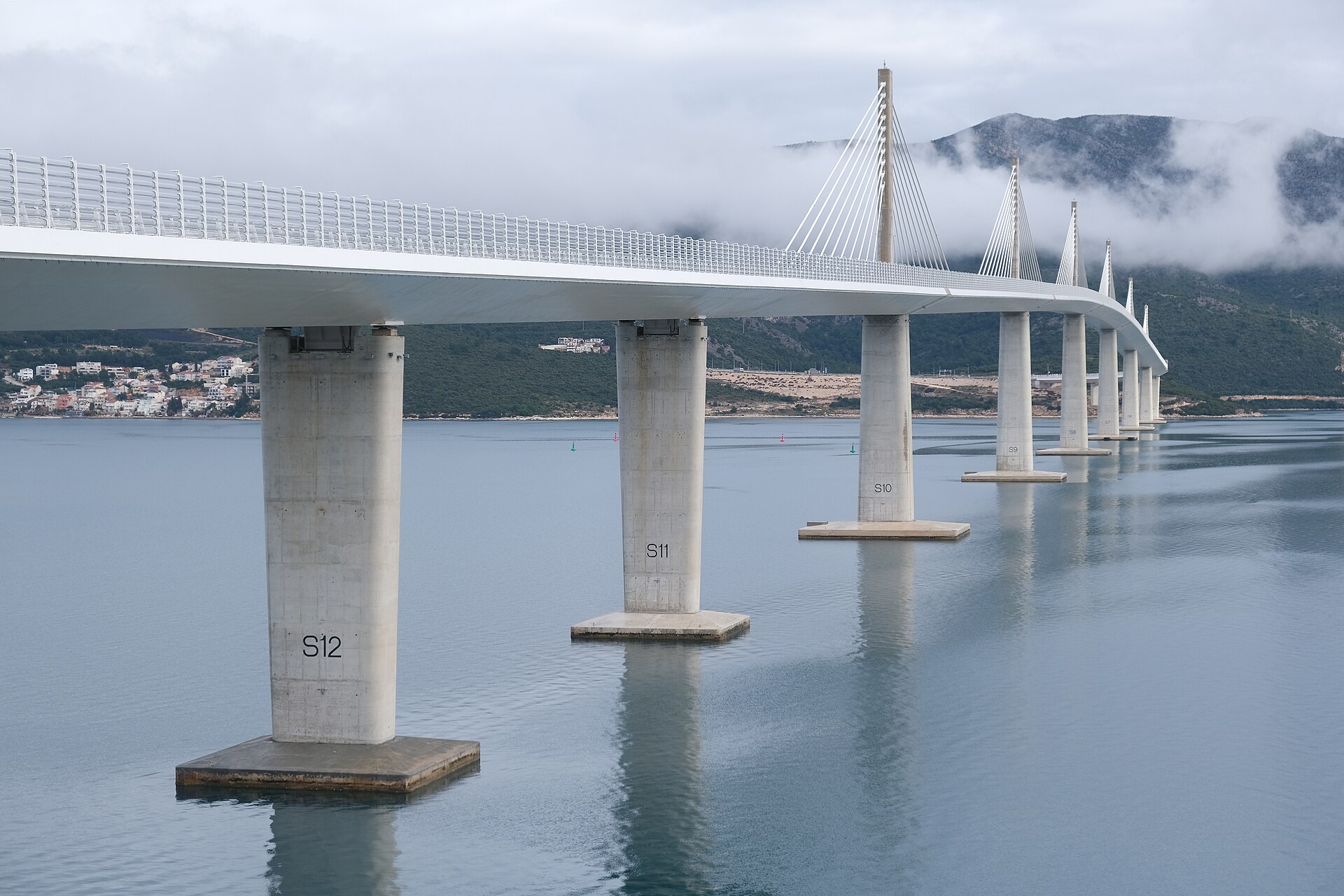
Follow the Adriatic Highway south from Zadar, past Diocletian's Palace in Split, over the Pelješac Bridge, to the walls of Dubrovnik.
Day 1: Zadar to Šibenik
Driving: 1h 15mSee: Listen to Zadar's Sea Organ at sunrise, then drive south to the UNESCO-listed St James's Cathedral in Šibenik.
Overnight: Camping Solaris Camping Resort, Šibenik
Day 2: Šibenik & Krka National Park to Trogir
Driving: 1h 30mSee: Walk the boardwalk trails along the Skradinski Buk waterfalls at Krka, then drive south to the medieval island town of Trogir.
Overnight: Camping Seget, Trogir
Day 3: Trogir to Split & Makarska Riviera
Driving: 1h 45mSee: Explore the Roman vaults of Diocletian's Palace in Split, then follow the coast road at the foot of Mount Biokovo to Makarska.
Overnight: Camp Dole, Živogošće
Day 4: Makarska to Pelješac Peninsula
Driving: 1h 40mSee: Cross the Pelješac Bridge into wine country, stopping at Ston to see Europe's longest stone defensive wall.
Overnight: Camping Nevio, Orebić
Day 5: Exploring Pelješac to Slano
Driving: 1h 10mSee: Taste local Plavac Mali red wine and fresh Ston oysters, then follow the quiet southern coastal inlets.
Overnight: Camp Banja, Slano
Day 6: Slano to Dubrovnik
Driving: 0h 45mSee: Drive past Trsteno Arboretum and cross the Franjo Tuđman suspension bridge into Dubrovnik, then take the cable car up for sunset views.
Overnight: Camping Solitudo, Dubrovnik
Day 7: Dubrovnik & Departure
Driving: 0h 30mSee: Walk the fortified ramparts of Dubrovnik Old Town in the morning before returning the motorhome to the depot.
Overnight: Camping Solitudo, Dubrovnik
Must-see
- Diocletian's Palace Roman cellars in Split
- Ston defensive stone wall fortifications
- Skradinski Buk waterfalls in Krka National Park
- Dubrovnik city walls overlooking the Adriatic
Free stops
- Zadar Sea Organ and Monument to the Sun waterfront
- Pelješac Bridge scenic coastal rest stops
- Makarska harbour promenade and St Peter Peninsula
Before you go
- The Pelješac Bridge is toll-free and skips the Neum border corridor entirely.
- Park outside Dubrovnik's old town. Motorhome parking in the centre is limited and expensive.
- Drive south on the D8 in the afternoon so the sea view stays clear on your right.
Where to stay overnight
- Wild camping is illegal in Croatia. Sleep overnight outside a designated campsite or camper stop and you risk an on-the-spot fine of up to €1,000.
- Most overnight stays happen at registered autocamps (autokamp), from big seaside resorts with water parks to small family-run mini-camps (mini-kamp).
- Dedicated motorhome stopovers (locally 'odmorište za kampere', or camper stops) are growing in number, with 24-hour parking, electric hookups and waste disposal, at lower rates than the big resorts.
- Coastal campsites fill up fast from mid-June to late August. Book weeks or months ahead for peak summer.
- Electricity hookups at Croatian campsites use standard European 3-pin blue CEE plugs (16A, 230V). Bring a 25-metre heavy-duty cable and a standard Euro adapter.
- Almost all official autocamps have chemical toilet and greywater emptying points, with drive-over disposal grates labelled 'Kemijski WC'.
- Use Park4Night, Campercontact, or camping.hr (run by the Croatian Camping Union) to find authorised sites and read real reviews.
Driving rules and road quirks
- Drive on the right and overtake on the left. Seatbelts are compulsory for everyone in the vehicle.
- For campervans under 3.5 tonnes, speed limits are 50 km/h in towns, 90 km/h on rural roads, 110 km/h on expressways (brza cesta), and 130 km/h on motorways (autocesta).
- Over 3.5 tonnes? Stick to 80 km/h on open roads and 90 km/h on motorways.
- Motorways (the 'A' roads, run by HAC and Bina-Istra) use a ticket-and-pay toll system. Grab a ticket at entry, pay cash (EUR) or card at exit, or hire an ENC transponder to skip the queue.
- Keep dipped headlights or daytime running lights on in daylight throughout winter (last Sunday in October to last Sunday in March), and anytime visibility drops.
- Between 15 November and 15 April on continental routes, you need winter tyres (M+S) on all four wheels, or summer tyres with at least 4 mm tread plus snow chains in the vehicle.
- The drink-drive limit is 0.5 g/l if you're over 24. Under 24, or driving professionally, it's zero tolerance: 0.0 g/l.
- Jadrolinija runs most car ferries to the Adriatic islands. Book vehicle tickets online, but boarding is first-come, first-served at the quay.
- Watch out for the 'bura' (bora), a fierce gusty wind off the coastal mountains. Police often close exposed bridges and roads to high-sided motorhomes when it blows.
- You need a valid full driving licence. UK and EU licences work fine. Everyone else should carry an International Driving Permit (IDP) alongside their national licence.
Estimated Touring & Travel Costs
Daily budgets swing a lot between peak summer and the quieter shoulder months. Here's what to expect for key costs.
| High-season seaside campsite pitch (2 adults + van + electric) | €45 – €85 per night |
|---|---|
| Shoulder-season campsite or mini-camp pitch | €20 – €40 per night |
| Diesel fuel (per litre, regulated retail rate) | roughly €1.45 – €1.60 |
| Motorway toll (e.g. Zagreb to Split, Class II motorhome) | roughly €24 – €38 |
| Island car ferry (e.g. Split to Supetar/Brač, campervan 5–7m) | roughly €40 – €65 one way |
| Casual tavern (konoba) meal for two with local wine | €35 – €60 |
Navigating the Pelješac Bridge and Schengen Rules
Croatia joined Schengen and switched to the Euro in 2023. That's made borders with Slovenia and Hungary quicker, but changed the rules for non-EU travellers.
- Pelješac Bridge: this 2.4km cable-stayed bridge links the mainland straight to the Pelješac Peninsula, skipping the Neum corridor in Bosnia and Herzegovina and saving hours at the border.
- Schengen Zone: checkpoints on land borders with Slovenia and Hungary are gone, so you can drive straight through from Central Europe.
- External Borders: passport checks still apply crossing into Bosnia and Herzegovina, Serbia and Montenegro.
- 90-Day Limit: non-EEA passport holders, including Brits post-Brexit, get 90 days in any 180-day period across the whole Schengen Zone. Keep track.
- Pet Transit: pets need a microchip, a valid rabies vaccination certificate, and an EU Pet Passport or UK Animal Health Certificate (AHC).
Day 1: first-timer checklist
- Do the handover inspection properly. Photograph any scratches, the roof edges, mirrors, and interior fittings on your phone.
- Check the depot has given you the safety kit: warning triangle, hi-vis vests for each passenger, and a first-aid kit.
- Before you leave, find the fresh water hose, the 230V hookup lead with CEE adapter, levelling ramps, and toilet chemical tablets.
- Get staff to show you how the water heater, leisure battery panel, gas valves, and greywater dump work.
- Stop at a supermarket (Konzum, Kaufland, or Lidl) for bottled water, food, and basic supplies.
- Note your van's height and width on a dashboard sticker. It'll save you from bridge and toll booth trouble.
- Keep day one short, under 100 km, so you reach your first campsite well before dark and settle in without rushing.
Must-do and must-try in Croatia
Must-Do Highlights
- Drive the winding Jadranska Magistrala (D8 road) for endless Adriatic views.
- Take the electric boat across the turquoise cascades of Plitvice Lakes National Park.
- Walk the 2km stone walls of Dubrovnik's Old Town, looking out over the terracotta rooftops.
- Park at Skradin and catch the river ferry to swim below the Krka waterfalls.
- Watch the sunset from Zadar's seafront while the Sea Organ plays.
Authentic Culinary Flavours
- Peka: meat or octopus slow-cooked with potatoes under a bell-shaped lid buried in hot embers.
- Paški sir: a hard, sharp sheep's milk cheese with sea salt and wild sage, made on Pag Island.
- Crni rižot: black risotto made with cuttlefish and squid ink, garlic, parsley, and white wine.
- Soparnik: a thin pie filled with Swiss chard, red onion, and olive oil, baked over hot stones.
- Brudet: a Dalmatian fishermen's stew with several kinds of fish, served with polenta.
Coastal & Island Adventures
- Catch a ferry to Cres or Krk Island for quiet pebble coves backed by pine forest.
- Kayak under the limestone cliffs of the Cetina River canyon near Omiš.
- Hike the trails through Paklenica canyon in the southern Velebit range.
- Cycle the Parenzana trail, an old narrow-gauge railway now a gravel path through Istria.
Local apps and emergency numbers
- Emergency number (police, ambulance, fire): 112.
- Croatian Automobile Club (HAK) roadside assistance, English spoken: 1987 (or +385 1 1987 from a mobile).
- Download HAK (traffic, webcams, bridge closures), Park4Night, and Jadrolinija (ferry schedules and tickets).
- Bring a 25-metre CEE power cable. Hookup points at big coastal autocamps can be a fair walk from your pitch.
- Pack sturdy levelling ramps. Coastal and karst pitches are rarely flat.
- Bring hard-soled water shoes. Most Croatian beaches are sharp limestone gravel, not soft sand, and sea urchins are about.
- Carry some cash in Euros for island parking meters, fruit stands, and campsite tourist tax.
Official live links
- Croatian National Tourist Board — Official national portal with destination guides, travel advice, and events.
- Croatian Automobile Club (HAK) — Live traffic, webcams, wind warnings, and road conditions.
- Hrvatske autoceste (HAC) — Official motorway operator site with toll calculators and ENC transponder info.
- Jadrolinija — National ferry company for routes, fares, and booking vehicle crossings to the islands.
- Camping Croatia — Directory of certified autocamps, mini-camps, and stopovers from the Croatian Camping Union.
Croatia campervan FAQs
Can I wild camp in a campervan in Croatia?
No. Wild camping (slobodno kampiranje) is illegal everywhere in Croatia. You can't sleep overnight in a campervan on public land, car parks, roadsides, or beaches. Wardens and police patrol the coast and fine offenders €400 to €1,000. Stick to registered autocamps or authorised camper stops.
Do I need an electronic vignette for Croatian motorways?
No. Unlike Slovenia or Austria, Croatia has no vignette for passenger vehicles. Motorways use a ticket system instead: take a paper ticket at entry, pay cash (EUR) or card at exit. Frequent drivers can buy an ENC device for a discount.
How do toll categories work for motorhomes in Croatia?
Vehicles up to 3.5 tonnes and under 1.90m high are Category I. Most campervans up to 3.5 tonnes over 1.90m high are Category II. Motorhomes over 3.5 tonnes are Category III, which costs more in tolls.
Can I take a rental motorhome onto Croatian ferries?
Yes. Jadrolinija and other ferry operators carry thousands of campervans each season to islands like Krk, Cres, Brač, and Hvar. Fares depend on vehicle length (under 5m, 5m-7m, or over 7m). Arrive at the quay 45 to 60 minutes before departure in high season.
Do I need an International Driving Permit (IDP) in Croatia?
If your licence is from the UK, an EU country, or the EEA, no IDP needed. Licences from outside the EU/EEA (USA, Canada, Australia, for example) must be carried alongside an International Driving Permit.
What is the Pelješac Bridge and is there a toll?
The Pelješac Bridge links the mainland at Komarna to the Pelješac peninsula, so you can drive to Dubrovnik without crossing the 9km Bosnia and Herzegovina stretch (the Neum corridor). It's free to cross, no tolls either way.
What is the bura wind and how does it affect driving?
The bura is a strong, unpredictable north-easterly wind off the coastal mountains, especially around the Kvarner Gulf and below the Velebit range. Gusts can knock a high-sided campervan off balance. Authorities often close parts of the A1 motorway and coastal bridges to Category II and III vehicles when it's bad.
Is tap water safe to drink and fill the campervan tank with?
Yes, tap water across Croatia is safe to drink. Campsites have taps marked 'Pitka voda' for topping up your tank. Skip any unlabelled taps next to the chemical toilet disposal points.
How does the Price Beat Guarantee work?
Find a lower price and we'll beat it. The quote must be for the same vehicle from the same supplier, with identical depots, dates and times, matching inclusions, mileage and excess options, and be live and verifiable before you book. Conditions apply — see our terms.