
Real vehicles you can book
Tap a vehicle to see its photos, floorplan and live prices for your dates.
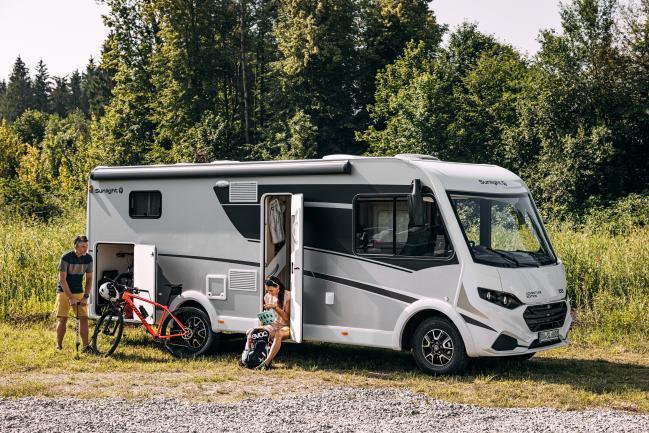
McRent Estonia · Campervan · sleeps 2
Comfort Luxury
Best for: Couples
Check dates & prices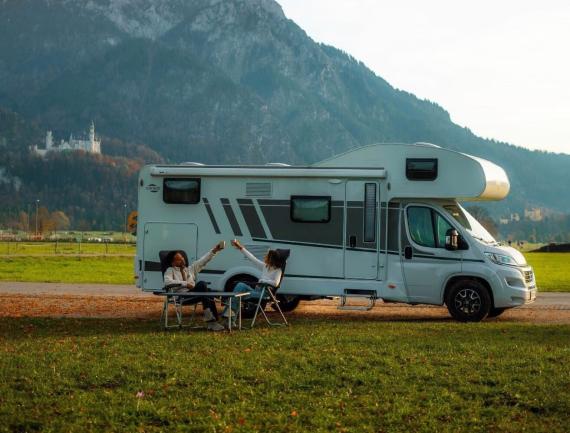
Touring Cars · Campervan · sleeps 2
Family for 5 - Manual
Best for: Couples
Check dates & prices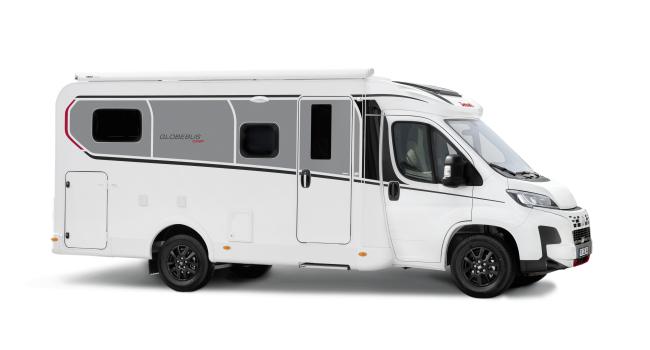
McRent Estonia · Campervan · sleeps 2
Compact Plus
Best for: Couples
Check dates & prices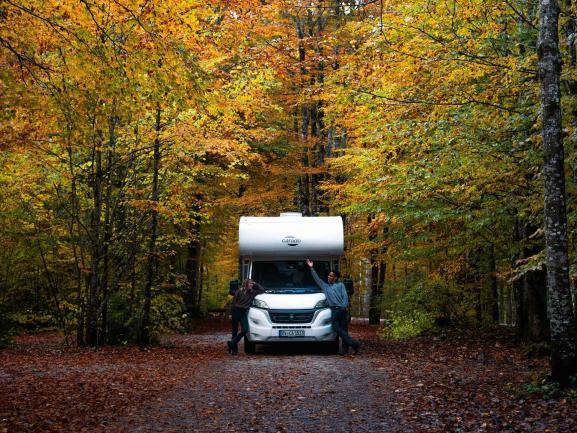
Touring Cars · Campervan · sleeps 2
Large for 5 - Automatic
Best for: Couples
Check dates & prices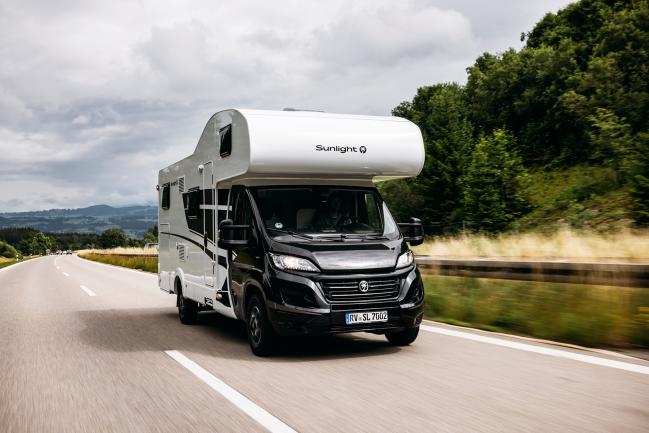
McRent Estonia · Campervan · sleeps 2
Family Luxury
Best for: Couples
Check dates & prices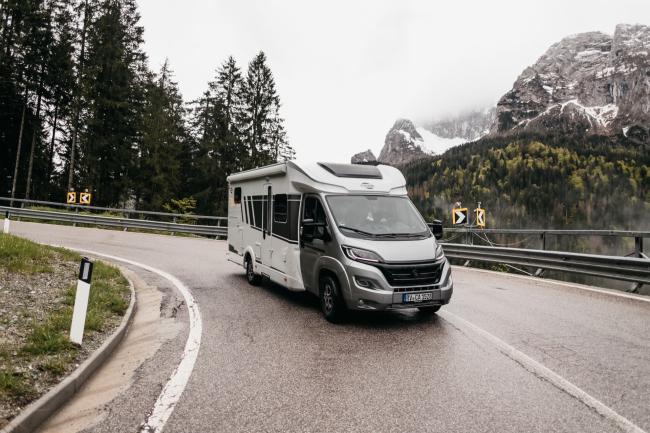
Touring Cars · Campervan · sleeps 2
Medium (4 pax) - Automatic
Best for: Couples
Check dates & pricesRental companies in Estonia
We only list established fleets with their own vehicles. No peer-to-peer rentals and no paid rankings.
McRent Estonia
McRent runs modern motorhomes with up-to-date safety tech, with options for couples and larger families, departing from Tallinn.
View fleet & profile →

Touring Cars
A long-running Nordic rental specialist offering airport pick-up, well-insulated vehicles, and roadside assistance across the Baltics.
View fleet & profile →
Where to pick up your campervan
Harju County & Tallinn
Your starting point: the historic capital, northern coastal bluffs, and quick access to eastern national parks.
Estonia campervan map: pickups and highlights
Dark blue dots are pickup locations. Tap any other dot to see the nearest pickup and a rough drive time.
Estonia pickup city guides
More European guides: Albania · Austria · Belgium · Bosnia · Bulgaria · Croatia · Czech Republic · Denmark · Finland · France · Germany · Greece · Hungary · Iceland · Ireland · Italy · Latvia · Liechtenstein · Lithuania · Luxembourg · Macedonia · Monaco · Montenegro · Netherlands · Norway · Poland · Portugal · Romania · Serbia · Slovakia · Slovenia · Spain · Sweden · Switzerland
Top tip
Most campervan depots cluster near Tallinn Airport and the main port terminal. Arrange an airport transfer with your rental operator, then stock up at the big hypermarkets on the Peterburi or Tartu highways before heading out to rural areas.
Trip cost calculator: fuel and campsites
Pick one of the road trips below or type your own distance to estimate fuel and overnight costs in EUR.
- Plan for (+20% detours)
- 504 km
- Fuel (66 litres)
- €104
- Campsites
- €240
- Fuel + campsites
- €344
Road fees: No road tolls or vignettes for standard campervans in Estonia. Your only costs are domestic island ferry crossings.
Fuel prices are much the same across Estonia. Unmanned stations like Neste and Alexela are slightly cheaper per litre than staffed highway plazas. Estimates only; rental price, insurance and any mileage charges are shown in your quote.
Why choose Estonia for a campervan holiday?
Estonia mixes untouched wilderness with modern convenience. Over half the country is forest, with peat bogs, limestone sea cliffs and more than 2,000 offshore islands. The State Forest Management Centre (RMK) runs hundreds of free campsites with campfire rings, dry toilets and shelters. There are no motorway tolls, roads are well maintained, and distances are short, so you can see medieval fortress towns, sandy spits and quiet nature reserves in a single week. Everyman's rights let you wild camp on public land if you respect nature. Add long summer evenings (the 'white nights') and easy ferry links to the Baltic islands, and you get a wild Nordic trip without the high prices found elsewhere in Northern Europe.
Which vehicle suits your group?
Compact Campervan — Couples or solo travellers who want an agile, fuel-efficient van.
- Easy to drive through narrow Old Town streets and rural coastal tracks
- Good fuel economy: under 8 litres of diesel per 100 km
- Compact kitchen, with pop-top or fixed double bed
- Low clearance makes ferry boarding to the islands simple and cheaper
Semi-Integrated Motorhome — Couples or small families who want more living space and an indoor bathroom.
- Fixed rear double or twin beds, plus pull-down berth options
- Enclosed wet room with cassette toilet and hot shower
- Big rear garage for outdoor furniture and sports gear
- Well-insulated for spring or autumn trips
Alkoven / Overcab Motorhome — Larger families or groups who need maximum sleeping space.
- Fixed double bed over the cab, keeping the living area free
- Sleeps five or six without converting beds daily
- High ceilings and plenty of wardrobe space
- Watch for low branches on rural forest tracks
All-Weather Luxury Van — Year-round tourers who want winter-ready heating and good fittings.
- Truma or Alde dual-fuel heating, built for sub-zero temperatures
- Heated, insulated wastewater tanks stop freezing
- Solar panels for longer off-grid stays in state forests
- Smooth automatic transmission, good for long highway runs
Best time to travel and weather
Spring (April to May)
- Forest trails dry out and migratory birds return to coastal wetlands
- Daytime temperatures of 8°C to 16°C, with cold nights
- Quieter main roads and nature trails
Summer (June to August)
- Long 'white nights' with up to 19 hours of daylight
- Warm temperatures of 18°C to 26°C, good for wild swimming
- Island ferries run at peak frequency; book ahead
Autumn (September to October)
- Golden foliage across national parks and good mushroom foraging
- Crisp days of 5°C to 14°C; you'll need the van's heating at night
- Commercial holiday parks start closing for the season, so you'll rely more on RMK sites
Winter (November to March)
- Sub-zero temperatures, snow cover and occasional coastal ice roads
- Winter tyres are mandatory; operators supply winterised vans with studded tyres
- Frozen bog landscapes and wood-fired saunas
Classic Estonia road trips
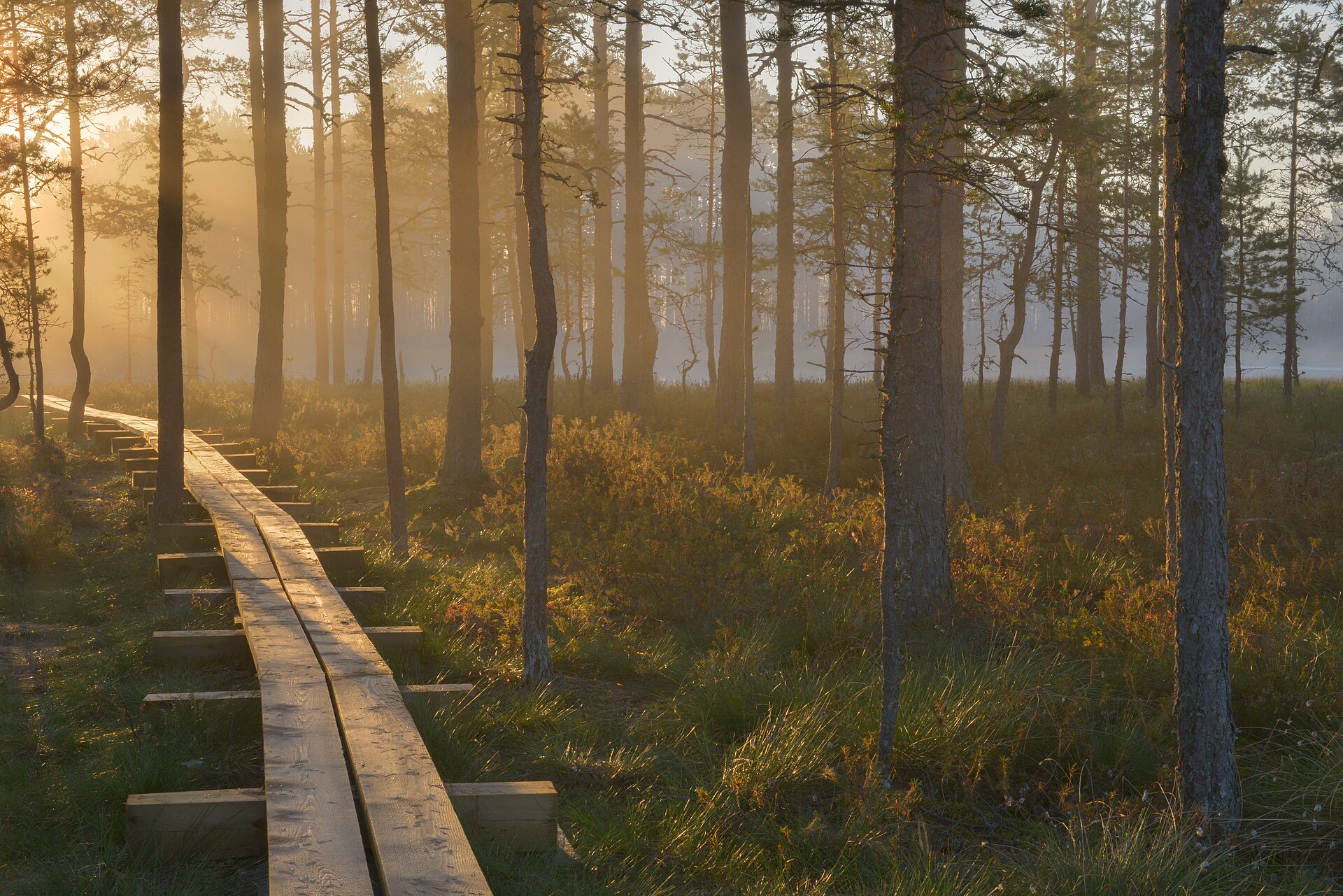
A loop along the Gulf of Finland through Estonia's oldest national park, taking in manor estates, fishing villages and pine forests.
Day 1: Tallinn to Jägala and Palmse
Driving: 1h 15mSee: Jägala Waterfall and the restored baroque Palmse Manor.
Overnight: Palmse RMK Camp Area
Day 2: Palmse to Käsmu and Altja
Driving: 1h 00mSee: Käsmu captain's village, erratic stone boulder fields, and Altja coastal tavern.
Overnight: Võsu Holiday Village & Campsite
Day 3: Käsmu to Viru Bog and Rakvere
Driving: 1h 10mSee: Viru Bog boardwalk and Rakvere's 13th-century stone castle.
Overnight: Rakvere Teatripargi Stellplatz
Day 4: Rakvere to Purekkari and Tallinn
Driving: 1h 50mSee: Purekkari Cape, the northernmost point of mainland Estonia, before returning west.
Overnight: Tallinn City Camping
Must-see
- Viru Bog boardwalk and observation tower
- Palmse Manor baroque gardens and open-air museum
- Purekkari Cape shoreline boulders
- Jägala Waterfall lower cascades
Free stops
- Viru Bog educational trail car park
- Altja traditional fishing village trail
- Tsitre coastal park nature path
Before you go
- Wear footwear suitable for wet ground if you step off the bog boardwalks.
- Arrive early to camp at Purekkari RMK, coastal spots fill up fast on weekends.
- Fuel up in Loksa or Rakvere, the rural peninsulas have no service stations.
Where to stay overnight
- Everyman's right (Igameheõigus) lets you wild camp on uncultivated state-owned land for up to 24 hours. Leave no trace and don't disturb landowners.
- The State Forest Management Centre (RMK) runs hundreds of free campsites in national parks, with dry toilets, firewood and fire pits.
- Private campsites open mainly from mid-May to mid-September, with electric hookups, chemical toilet emptying, showers and saunas.
- You'll find more motorhome service stations (aires/stellplatz) near marinas, spa hotels and cultural landmarks.
- Open campfires are only allowed in marked RMK fire rings, and are banned nationwide during high fire-risk periods in summer.
- Download the RMK Loodusega Koos app and Park4Night to find legal forest pitches, tap water and waste dump points.
- Sort and take your rubbish with you in state forests. Bins are rare, to keep wildlife away.
Driving rules and road quirks
- Drive on the right and overtake on the left.
- Dipped headlights or daytime running lights are mandatory at all times, day and night, all year.
- For motorhomes under 3.5t, speed limits are 50 km/h in built-up areas, 90 km/h on rural roads, and up to 110 or 120 km/h on dual carriageways in summer.
- Motorhomes over 3.5 tonnes are limited to 90 km/h on highways, even where summer limits are higher.
- There are no road tolls or vignettes for cars or motorhomes under 3.5 tonnes. Vehicles over 3.5t used for commercial transport need an electronic road toll, but private M1-category motorhomes are usually exempt.
- Estonia has zero-tolerance drink-driving laws: the blood alcohol limit is 0.02%, effectively zero.
- Winter tyres (M+S or 3PMSF) are mandatory from 1 December to 1 March. Studded tyres are allowed from 15 October to 31 March, depending on weather.
- You need a standard category B licence for vehicles up to 3.5 tonnes. An International Driving Permit (IDP) is only needed for non-EU/EEA licences that don't comply with the Vienna Convention.
- Domestic ferries to Saaremaa, Hiiumaa and Kihnu run via Praamid.ee and Kihnu Veeteed. Measure your vehicle's exact length when booking, to avoid boarding delays.
Typical Touring Costs in Estonia
Estonia offers great value for motorhome trips, especially if you mix private holiday parks with free state forest sites.
| Campervan rental per day (low season) | Roughly €70 - €110 |
|---|---|
| Campervan rental per day (peak summer) | Roughly €130 - €210 |
| Commercial campsite pitch (2 adults + electric) | Roughly €20 - €35 per night |
| RMK Forest campsite pitch | Free (€0) |
| Diesel fuel per litre | Roughly €1.50 - €1.65 |
| Mainland to Saaremaa return ferry (van + 2 pax) | Roughly €30 - €45 |
Island Crossings and International Connections
Good transport links make it easy to combine mainland Estonia with its islands or neighbouring Nordic countries.
- Praamid runs regular roll-on/roll-off ferries from Virtsu to Kuivastu (Muhu/Saaremaa), taking about 27 minutes.
- Ferries from Rohuküla to Heltermaa on Hiiumaa take around 75 minutes.
- Overnight and express ferries link Tallinn with Helsinki (Finland) and Stockholm (Sweden), run by operators like Tallink and Viking Line.
- Crossing south into Latvia (via Ikla or Valga) is easy and unstaffed, thanks to Schengen free movement rules.
- Travelling east to the Russian border is strictly controlled. Avoid the eastern frontier security zones, and pre-book a transit slot via GoSwift if you plan to cross.
Day 1: first-timer checklist
- Collect your van in Tallinn. Check existing scuffs with depot staff and photograph the van's condition.
- Check the living equipment: test the cabin heater, water pump and gas stove, and make sure the chemical toilet fluid is topped up.
- Ask the depot to show you how the grey water dump valve works and how to empty the toilet cassette.
- Stock up at a big supermarket like Rimi Hyper or Selver on the main bypass. Grab groceries, drinking water, and matches for forest campfires.
- Download offline maps on Google Maps or maps.me, plus the RMK Loodusega Koos camping app.
- Check your van's clearance height before driving into car parks or under fuel station canopies.
- Keep your first drive short, under 90 minutes, towards Lahemaa National Park or Keila-Joa. It's a gentle way to get used to the van.
Must-do and must-try in Estonia
Must-Do Experiences
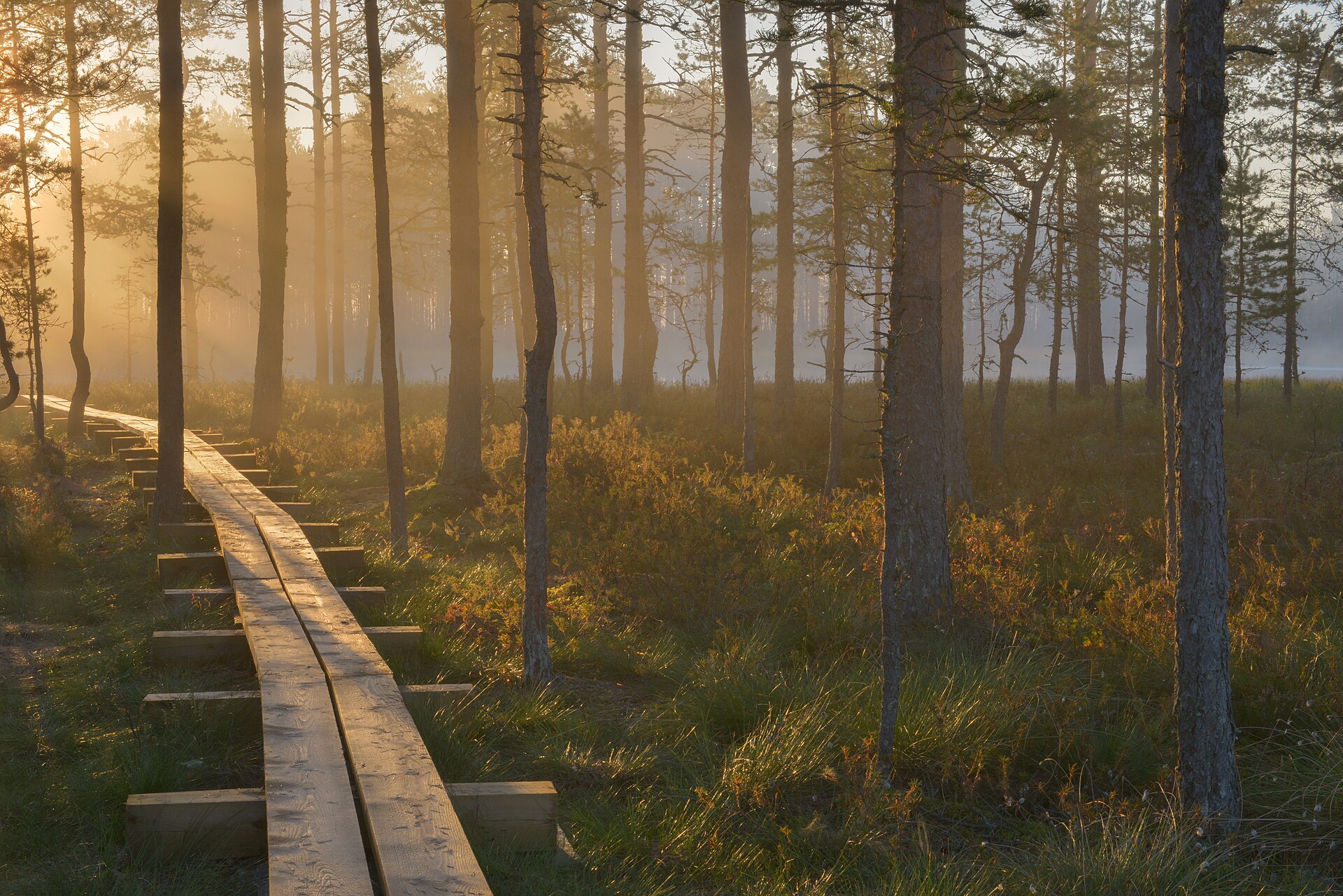
- Walk the boardwalk across Viru Bog at dawn, when mist hangs over the bog pools.
- Heat up a lakeside wood-fired sauna, then cool off with a dip in a clear forest lake.
- Camp on the edge of the Baltic Sea at an RMK pitch on Purekkari Cape.
- Join a guided bog-shoeing tour across the peat moss fields of Soomaa National Park.
- Climb the dolomite limestone steps of Panga Cliff on northern Saaremaa.
Must-Try Estonian Foods
- Leib: dark rye sourdough bread, served warm with salted butter.
- Suitsukala: fresh flounder or perch, smoked over alder wood chips.
- Kohuke: chilled sweet curd cheese bars glazed in chocolate. Every grocery store sells them.
- Kama: roasted multi-grain flour mixed with kefir or sour milk and wild berries.
- Mulgipuder: mashed potato and barley porridge, topped with fried smoked bacon and onions.
Seasonal Highlights
- Catch Jaanipäev, Estonia's Midsummer festival, in late June. Expect bonfires and folk dancing nationwide.
- Forage for wild chanterelles, bilberries, and lingonberries in state forests through August and September.
- Watch thousands of migrating cranes and geese land at Matsalu National Park in autumn.
- Visit Soomaa for the 'Fifth Season', when melting snow floods the forests and canoes become the only way around.
Local apps and emergency numbers
- Emergency number: 112 (police, ambulance, fire).
- RMK Loodusega Koos app: find free state campsites, walking trails, and fire pits.
- Park4Night app: find motorhome service points and camper parking.
- Praamid.ee: book vehicle ferry tickets to Saaremaa and Hiiumaa.
- Tark Tee (tarktee.ee): check roadworks, weather alerts, and winter road conditions.
- Pargi.ee or Snabb app: pay for parking easily in Tallinn and other towns.
- Estonian law requires high-vis vests and two warning triangles in the vehicle.
Official live links
- Visit Estonia — Official tourism board: regional guides, bog walking trails, and cultural events.
- RMK (State Forest Management Centre) — Portal for free forest campsites, nature trails, campfire rules, and downloadable maps.
- Tark Tee (Smart Road) — Transport Administration portal: live road conditions, cameras, and roadworks.
- Praamid Ferry Services — Official booking platform for vehicle ferries to Saaremaa and Hiiumaa.
- Estonian Police and Border Guard — Border rules, road traffic laws, and safety advisories.
Estonia campervan FAQs
Can you wild camp anywhere in Estonia in a campervan?
Yes, generally. Estonia's everyman's right lets you wild camp on public state land, as long as you stay on durable ground, leave no litter, and respect nature. RMK runs hundreds of free, maintained sites built for this. Camping on private land needs the owner's permission, and you must never drive off marked tracks or onto fragile coastal dunes.
Are there road tolls for motorhomes in Estonia?
No. Estonia has no motorway tolls, vignettes, or congestion charges for private cars or motorhomes under 3.5 tonnes. Commercial goods vehicles over 3.5 tonnes pay a time-based road usage fee, but standard M1-category motorhomes are exempt.
How do island ferry crossings work with a campervan?
Ferries to Saaremaa (via Muhu) and Hiiumaa run frequently from Virtsu and Rohuküla. Book vehicle tickets ahead on Praamid.ee, especially for summer weekends. Enter your exact bumper-to-bumper vehicle length, including any rear bike rack, to get the right deck slot.
Is English widely spoken across Estonia?
Yes. Depot staff, hospitality workers, and most younger and middle-aged Estonians speak English fluently. In rural areas and small village shops, older residents may only speak Estonian or Russian, but a translation app or a bit of pointing works fine.
What are the winter driving conditions like?
Winter driving means sub-zero temperatures, packed snow, and black ice. Winter tyres are compulsory by law from December to March, and rental companies fit motorhomes with them. Make sure your cabin heating works reliably, keep enough gas on board, and protect fresh and wastewater tanks from freezing.
Can I drink tap water in Estonia?
Yes. Mains tap water across Estonia is safe to drink. When filling your fresh water tank at RMK campsites, check the water point is marked as drinking water. If not, fill up at service stations, marinas, or commercial campsites instead.
What electrical hookup plug is used at Estonian campsites?
Estonian campsites use standard European CEE 3-pin blue round plugs (16A, 230V). Carry a Schuko (two-round-pin) adapter too, as some basic rural farmsteads and guest houses only have domestic wall sockets.
How accessible are waste disposal facilities in rural areas?
RMK forest pitches have dry compost toilets, but no black-water cassette emptying or grey water dumps. Use commercial campsites, some Circle K highway service stations, or marina aires to empty your tanks properly.
How does the Price Beat Guarantee work?
Find a lower price and we'll beat it. The quote must be for the same vehicle from the same supplier, with identical depots, dates and times, matching inclusions, mileage and excess options, and be live and verifiable before you book. Conditions apply — see our terms.