
Real vehicles you can book
Tap a vehicle to see its photos, floorplan and live prices for your dates.
Indie Campers · Campervan · sleeps 2
Active Bunk
Best for: Couples
Check dates & prices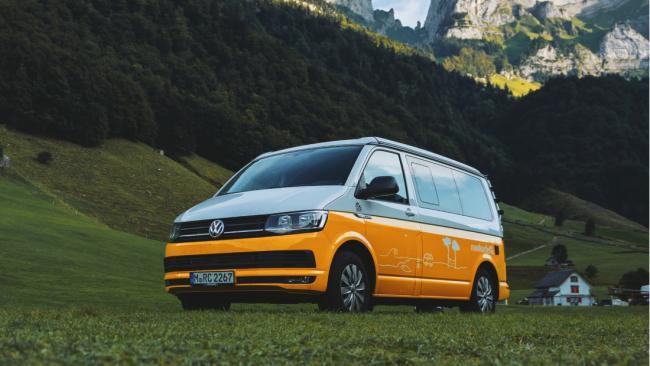
roadsurfer · Campervan · sleeps 2
Beach Hostel
Best for: Couples
Check dates & prices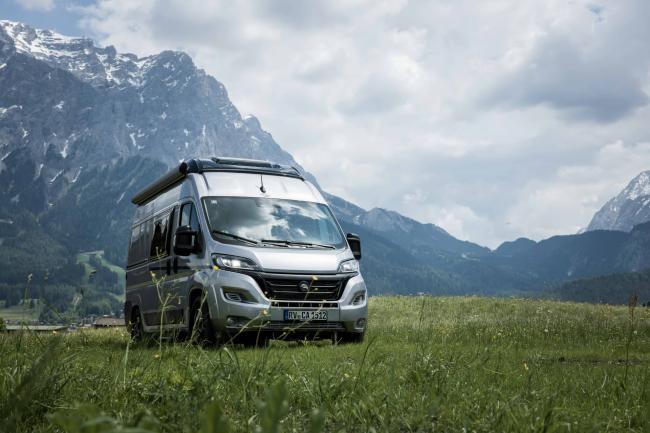
Touring Cars · Campervan · sleeps 2
Camp (2 pax) - Automatic
Best for: Couples
Check dates & prices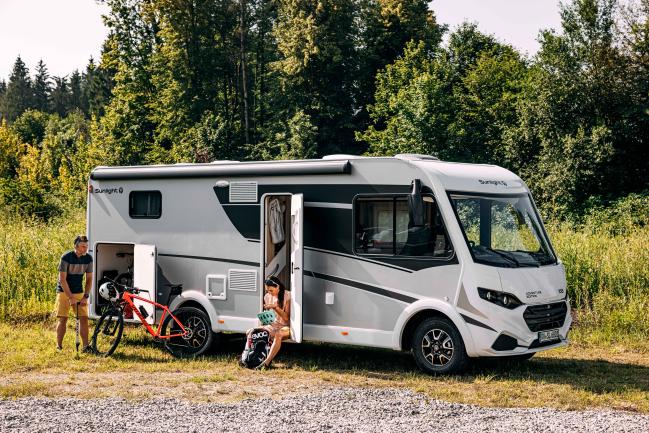
Mcrent Sweden · Campervan · sleeps 2
Comfort Luxury
Best for: Couples
Check dates & prices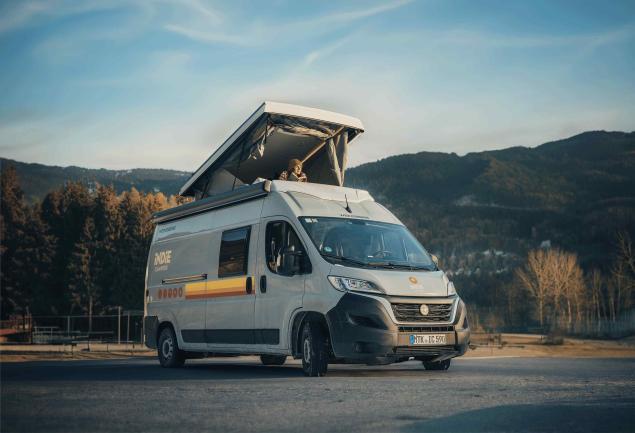
Indie Campers · Campervan · sleeps 2
Active Pop Top
Best for: Couples
Check dates & prices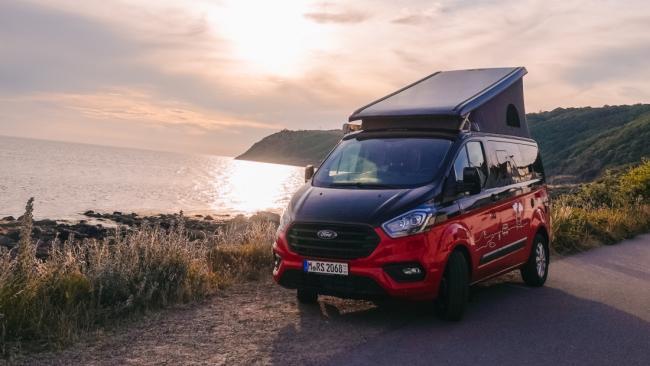
roadsurfer · Campervan · sleeps 2
Camper Cabin
Best for: Couples
Check dates & pricesRental companies in Sweden
We only list established fleets with their own vehicles. No peer-to-peer rentals and no paid rankings.

Indie Campers
Compact campervans and conversion vans, good for couples and budget travellers wanting easy city and coastal driving.
View fleet & profile →
Mcrent Sweden
Europe's largest hire network, with well-kept Dethleffs and Sunlight motorhomes for family trips and long-distance touring.
View fleet & profile →

Touring Cars
A Nordic specialist with fully winterised coachbuilt motorhomes, full briefings and airport transfers.
View fleet & profile →

roadsurfer
Specialises in nimble pop-top campervans and compact van conversions, good for coastal tracks and remote lay-bys.
View fleet & profile →
Where to pick up your campervan
Stockholm & Central Sweden
Your main arrival hub, with scenic routes round Lake Mälaren, historic castles and easy access to the central lakelands.
- Stockholm →
- Stockholm Airport →
- Stockholm Arlanda Airport
- Vasteras →
- Linkoping →
West Coast & Bohuslän
Famous for granite archipelagos, seafood harbours and quick links to the Norwegian border.
- Gothenburg →
- Gothenburg Landvetter Airport
- Stromstad →
Skåne & The South
Rolling farmland, sandy Baltic beaches and the main road gateway from continental Europe via Denmark.
Norrland & Swedish Lapland
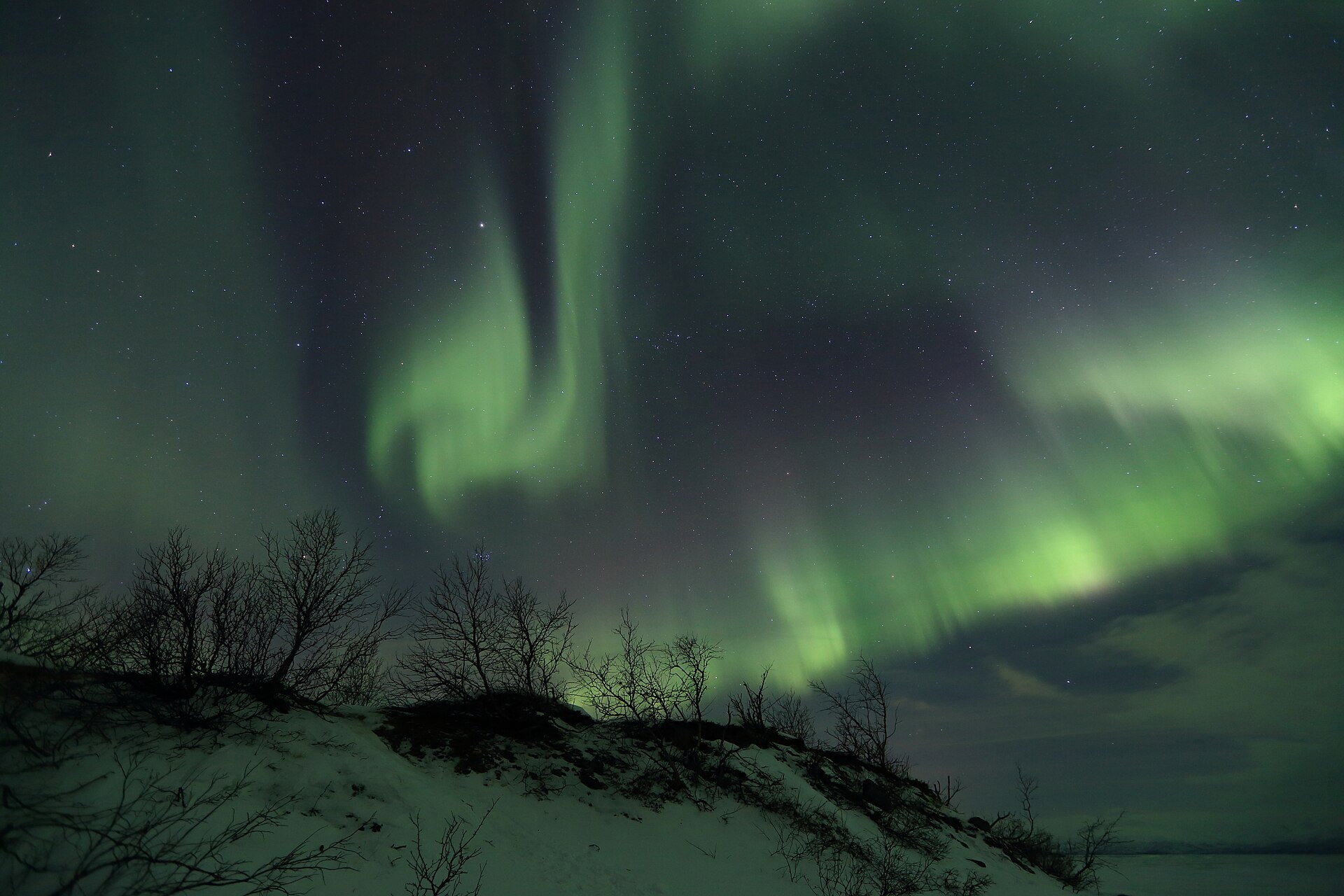
Vast taiga, Arctic mountain passes, Sami heritage and some of the best spots for the Northern Lights.
Sweden campervan map: pickups and highlights
Dark blue dots are pickup locations. Tap any other dot to see the nearest pickup and a rough drive time.
Sweden pickup city guides
More European guides: Albania · Austria · Belgium · Bosnia · Bulgaria · Croatia · Czech Republic · Denmark · Estonia · Finland · France · Germany · Greece · Hungary · Iceland · Ireland · Italy · Latvia · Liechtenstein · Lithuania · Luxembourg · Macedonia · Monaco · Montenegro · Netherlands · Norway · Poland · Portugal · Romania · Serbia · Slovakia · Slovenia · Spain · Switzerland
Top tip
Airport depots in Sweden are often off-terminal, in nearby industrial parks. Operators usually run a shuttle or give you bus instructions. Flying into Stockholm Arlanda or Gothenburg Landvetter? Tell your depot your flight number in advance, so you're not left waiting at busy times.
Trip cost calculator: fuel and campsites
Pick one of the road trips below or type your own distance to estimate fuel and overnight costs in SEK.
- Plan for (+20% detours)
- 432 km
- Fuel (56 litres)
- SEK 1,022
- Campsites
- SEK 2,730
- Fuel + campsites
- SEK 3,752
Road fees: Sweden has no general vignette. Bridge tolls and city congestion charges are billed electronically via licence-plate recognition, usually under 100-250 SEK a week.
Diesel is easy to find across Sweden, but rural pumps are automated, so bring a debit or credit card with a 4-digit PIN. Estimates only; rental price, insurance and any mileage charges are shown in your quote.
Why choose Sweden for a campervan holiday?
Sweden has great scenery and great roads, so self-drive trips are easy. You'll go from the granite skerries of Bohuslän to the pine forests of Dalarna and the subarctic tundra of Abisko, all on well-paved, quiet routes. Allemansrätten, Sweden's Right of Public Access, lets walkers wild camp, but motorhome drivers do well too: thousands of Ställplatser sit by lakes, fishing harbours and nature reserves. Motorways and trunk roads are toll-free, bar two small bridge crossings and city congestion charges, so costs stay predictable. Chase the Midnight Sun in summer or the Northern Lights in late autumn, and sleep right in the wilderness.
Which vehicle suits your group?
Compact Pop-Top Campervan — Good for couples and solo travellers who want car-like handling on narrow coastal roads.
- Typical models: VW California, Mercedes-Benz Marco Polo, Ford Transit Custom Nugget
- Good fuel economy on long rural drives, and fits standard parking bays
- Comes with a gas cooker, coolbox or compressor fridge, and a pop-up roof bed
- Best for summer touring; insulation is lighter than coachbuilt models
Two-to-Three Berth Van Conversion — Good for couples or small families who want onboard heating, a shower and a toilet.
- Typical models: Fiat Ducato 6.0m or 6.4m panel van conversions
- A wet-room shower, cassette toilet and built-in galley kitchen
- Blown-air diesel or LPG heating, good for shoulder seasons
- Small enough to cruise comfortably through fishing villages
Four-Berth Low-Profile (Semi-Integrated) — Good for families or pairs who want living space, fixed beds and an aerodynamic shape.
- Typical models: Sunlight T-Series, Carado, Dethleffs Trend under 3,500 kg
- Fixed double or twin beds at the rear, plus an electric drop-down double over the lounge
- Big rear garage for outdoor furniture, hiking gear and bikes
- Drivable on a standard category B car licence
Five-to-Six Berth Overcab (Alcove) — Good for bigger families and groups who need permanent beds and plenty of headroom.
- Typical models: Sunlight A-Series, Roller Team Kronos
- A double bed over the cab, plus bunk beds or a double at the rear
- Roomy dinette seating and large freshwater and waste tanks for off-grid stays
- More wind resistance and higher fuel use; watch for overhead clearances
Best time to travel and weather
Summer (Mid-June to August)
- Peak season, with long days and 24-hour Midnight Sun north of the Arctic Circle.
- All seasonal campsites, island ferries and lakeside facilities are fully open.
- Book campsites ahead along the Bohuslän coast and on Gotland.
Autumn (September to October)
- Lovely autumn colour (ruska) across central and northern Sweden, with crisp, clear walking weather.
- Northern Lights season starts up north as dark skies return from early September.
- Many rural campsites close by late September, so you'll rely more on year-round Ställplatser.
Winter (November to March)
- Properly sub-zero: you need a winterised vehicle with dual-fuel heating and winter tyres.
- Snow-covered landscapes, cross-country skiing, ice tracks and good Aurora viewing around Kiruna.
- Short daylight and icy roads mean cautious driving and a realistic schedule.
Spring (April to May)
- Southern Sweden blooms with wildflowers while northern roads slowly thaw.
- Lakes start losing their ice, coastal towns reopen, and there's hardly any tourist traffic.
- Nights often dip below freezing, so you'll need the heating on.
Classic Sweden road trips
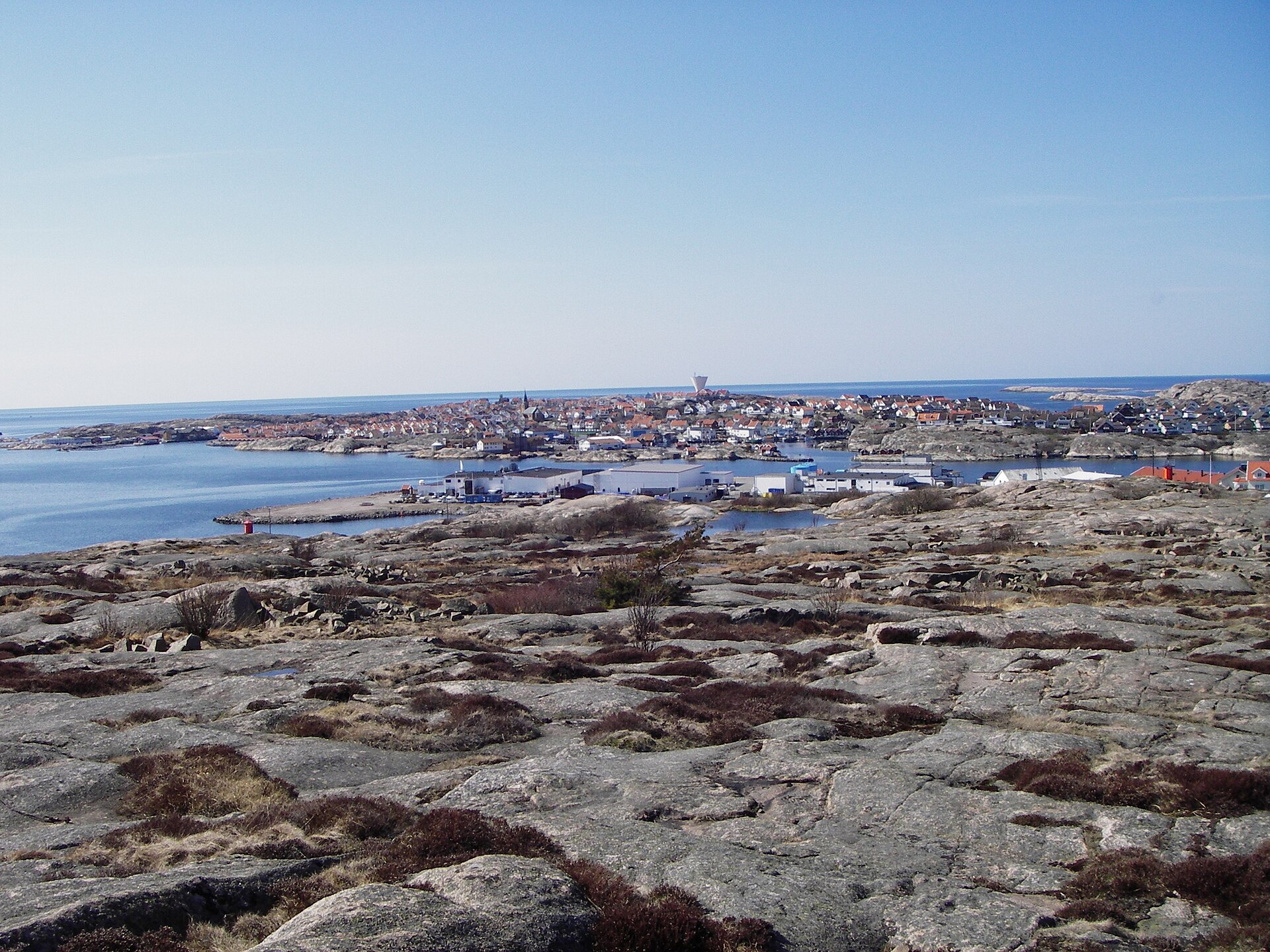
Follow Sweden's west coast from Gothenburg to the Norwegian border, through granite fishing villages, tidal nature reserves and top seafood spots.
Day 1: Gothenburg to Marstrand & Tjörn
Driving: 1h 15mSee: Carlsten Fortress and the Nordic Watercolour Museum at Skärhamn.
Overnight: Hav & Logi Ställplats, Skärhamn
Day 2: Tjörn to Smögen
Driving: 1h 30mSee: The colourful boardwalk shops at Smögenbryggan and granite rock walks on Sandön.
Overnight: Smögen Gästhamn & Ställplats
Day 3: Smögen to Fjällbacka
Driving: 0h 55mSee: Vetteberget cliff walk, Kungsklyftan chasm and bronze-age rock carvings in Tanum.
Overnight: Fjällbacka Camping
Day 4: Fjällbacka to Kosterhavet National Park (Strömstad)
Driving: 0h 50mSee: Take the passenger ferry from Strömstad to the car-free Koster Islands marine reserve.
Overnight: Lagunen Camping & Ställplats, Strömstad
Day 5: Strömstad to Gothenburg
Driving: 2h 00mSee: Inland return via the rolling countryside of Bohuslän, stopping at Uddevalla.
Overnight: Lisebergsbyn Camping, Gothenburg
Must-see
- Smögenbryggan wooden boardwalk and vibrant boathouses
- Kosterhavet National Park marine nature trails
- Tanum UNESCO Bronze Age petroglyphs and interpretive centre
- Kungsklyftan canyon walk towering above Fjällbacka
Free stops
- Tanum rock carving open-air interpretive paths
- Tjurpannan nature reserve windswept coastal headland
- Vetteberget summit wooden stairs overlooking Fjällbacka
Before you go
- Use the free yellow public car-ferries (Trafikverket Färjerederiet) to link island roads, no booking needed
- Bohuslän car parks enforce strict overnight sleeping bans outside designated bays, so stick to Ställplatser
- Try fresh smoked prawns straight from working harbour smokehouses in Smögen and Grebbestad
Where to stay overnight
- Sweden's Right of Public Access (Allemansrätten) is strictly for unmotorised travellers. Driving off designated roads onto beaches, forest ground or meadows is illegal under Terrängkörningslagen.
- You can park motorhomes on public road shoulders, car parks and official rest areas (Trafikverket rastplatser) for up to 24 hours on weekdays, or right through the weekend until Monday, as long as there's no sign banning it.
- Sleeping overnight in your vehicle counts as resting while parked, as long as you don't put up awnings, tables or levelling ramps, which would count as setting up camp.
- Official Ställplatser (motorhome aires) are widespread across Sweden, usually 150 to 300 SEK a night, with electricity, drinking water and waste disposal.
- Organised campsites (Campingplatser) are accredited by SCR Svensk Camping. A Camping Key Europe (CKE) or Camping ID card speeds up check-in and sometimes gets you a discount.
- Empty black water (chemical toilet) and grey water only at designated disposal stations, widely found at Trafikverket rest stops and campsites.
- Use apps like Park4Night, Ställplatser and Campercontact to check overnight rules, barrier heights and winter facilities.
Driving rules and road quirks
- Drive on the right. Give way to traffic from the left at roundabouts.
- Dipped headlights (or daytime running lights) are compulsory 24/7, all year, on every road.
- Speed limits for motorhomes under 3.5 tonnes: 50 km/h in towns, 70–90 km/h on rural roads, 110–120 km/h on motorways, unless signs say otherwise.
- Over 3.5 tonnes? Limits drop to 90 km/h on motorways and 80 km/h on open roads, even where signs show higher.
- Sweden has no motorway vignette. Tolls apply only at Sundsvall, Motala and Skuru bridges, plus congestion charges in Stockholm and Gothenburg. All billed automatically by number-plate cameras.
- Winter tyres (studded or 3PMSF winter tyres) are compulsory from 1 December to 31 March in winter conditions. Minimum tread: 3 mm (5 mm for vehicles over 3.5 tonnes).
- Yellow road ferries run by Trafikverket Färjerederiet are part of the road network and free. Just queue in the marked lane.
- The drink-drive limit is 0.2‰ (0.02% BAC), zero tolerance. Police run spot breathalyser checks at ferry terminals and roadsides.
- A standard Category B licence covers motorhomes up to 3,500 kg. Non-EU/EEA licences not printed in English need an International Driving Permit.
Touring Budget and Cashless Sweden
Sweden runs on cards and phones. Visa and Mastercard work almost everywhere, even for public toilets, parking meters and farm honesty stalls.
| Average campsite pitch (with electricity) | 300 – 480 SEK / night |
|---|---|
| Dedicated Ställplats (aire) | 150 – 300 SEK / night |
| Diesel fuel (per litre) | roughly 17.50 – 19.50 SEK |
| Trafikverket roadside dump station | Free of charge |
| Stockholm/Gothenburg congestion charge | 11 – 45 SEK per passage |
| Cup of coffee & Swedish cinnamon bun (fika) | 55 – 85 SEK |
Wildlife Hazards and Nordic Driving Safety
Wildlife collisions are the biggest road hazard in rural Sweden, especially in forests at dawn and dusk.
| Moose (Älg) danger period | Highest risk at dawn and dusk. Collisions hit at windscreen height. |
|---|---|
| Reindeer (Ren) behaviour | Herd animals that won't flee oncoming traffic. Common in Lapland. |
| Mandatory collision protocol | Call 112 straight away and mark the spot with a roadside ribbon. |
| Emergency breakdown warning | Hi-vis vests and warning triangles are compulsory in the vehicle. |
| Winter vehicle survival gear | Keep a snow shovel, warm blankets, headlamp and tow rope onboard |
| Forest fire regulations | Open fire bans (eldningsförbud) are strictly enforced during dry summer weeks |
Day 1: first-timer checklist
- Check the van inside and out at handover. Film a walk-around video to record any scuffs, chipped windows or scraped rims.
- Get staff to show you the heating panel (Truma/Alde), water pump, gas shut-off valves and electric drop-down bed.
- Confirm the fuel type (diesel, often marked 'Diesel' or 'B7' at Swedish pumps) and ask if you'll need to top up AdBlue.
- Check you've got an EU mains hook-up cable, a water-filling hose with tap adapters, and a full chemical toilet fluid bottle.
- Check tyre tread depth and make sure there's a warning triangle and hi-vis vests on board.
- Find the nearest big supermarket (ICA Maxi, Stora Coop or Willys) and stock up on food, water and loo roll before heading into rural areas.
- Take it easy on your first drive. Practise reversing with your partner guiding you, and note the van's height and width on the dash.
Must-do and must-try in Sweden
Must-Do Swedish Campervan Activities
- Have 'fika' beside a still lake: brew coffee and tuck into cinnamon buns.
- Try a wood-fired floating sauna, then plunge into a cold lake or the Baltic Sea.
- Forage wild blueberries, lingonberries and chanterelles in public forests under your Allemansrätten rights.
- Catch a car ferry to the granite islands of the Bohuslän archipelago and watch the sun set over the North Sea.
- Drive the Arctic Silvervägen (Silver Road) or the Wilderness Road (Vildmarksvägen) across high alpine tundra.
Authentic Swedish Road Food
- Skagenröra: peeled prawns, mayonnaise, sour cream, dill and bleak roe on toast.
- Smoked Baltic whitefish, Arctic char and wild gravlax from lakeside smokeries.
- Warm Kanelbullar (cinnamon buns) and Kardemummabullar (cardamom buns) from local bakeries.
- Swedish meatballs (Köttbullar) with creamy gravy, pressed cucumber and lingonberries.
- Västerbottensost pie: a quiche made with Sweden's sharp, crumbly cured cheese.
Unique Nordic Seasonal Highlights
- Midsummer Eve (late June): join village dances round the flower-strewn maypole.
- Catch 24-hour daylight under the Midnight Sun in Abisko or Kiruna at midsummer.
- Watch the Northern Lights (Aurora Borealis) above your campervan between September and March.
- Browse the Jokkmokk Winter Sami Market, held every February since 1605.
Local apps and emergency numbers
- Emergency services: dial 112 for Police, Fire and Ambulance (free from any mobile).
- Non-emergency police: dial 114 14 to report minor theft or non-urgent driving incidents.
- Download 'Park4Night' and 'Ställplatser' to find verified overnight motorhome stops and waste dump points.
- Use 'Trafiken.nu' or Trafikverket.se for live traffic updates, road closures and bridge maintenance.
- Carry a Visa or Mastercard with a 4-digit PIN. Sweden is almost entirely cashless, and unattended fuel pumps need a card PIN.
- Pack an insect-repellent head net and local repellent if you're hiking inland forests or wetlands in midsummer.
- Pack a standard European CEE 3-pin blue hook-up cable. Swedish campsites and Ställplatser use standard European connections.
Official live links
- Visit Sweden — The official national tourism board, with travel guides, nature rules and regional itineraries.
- Trafikverket — The Swedish Transport Administration's guide to road conditions, winter tyre rules, automatic tolls and rest areas.
- Swedish Environmental Protection Agency (Naturvårdsverket) — The official rules on Allemansrätten (Right of Public Access) and off-road driving law.
- SCR Svensk Camping — Official directory of inspected Swedish campsites and the Camping Key Europe card portal.
- Swedish Police (Polisen) — Official info on traffic rules, wildlife collision steps and reporting requirements.
Sweden campervan FAQs
Can I wild camp anywhere in Sweden in a motorhome?
No. Allemansrätten covers travel on foot, ski or bike with a tent, not driving. Taking a vehicle off-road is illegal under the Terrängkörningslagen. But you can park a motorhome overnight for up to 24 hours in public lay-bys, designated parking bays and Trafikverket rest areas, as long as there's no sign banning it and you don't set up camping furniture.
How do road tolls work for foreign campervan rentals in Sweden?
Sweden has no general motorway toll. Bridge tolls at Sundsvall, Motala and Skuru, plus congestion charges in Stockholm and Gothenburg, are picked up by number-plate cameras. Your rental firm registers the crossings and charges your rental card after you return the van, usually with no extra admin fee.
What driving licence do I need to hire a campervan in Sweden?
A Category B car licence held for at least a year covers any motorhome up to 3,500 kg (MAM). Over that, you need a Category C1 or C licence. UK and EU licences are fine. If yours isn't in English or international format, carry an International Driving Permit.
Are child car seats mandatory in motorhomes?
Yes. Any child under 135 cm must use an approved car seat or booster suited to their height and weight. They need to sit in a forward- or rear-facing seat with a three-point seatbelt, never sideways.
Do I need cash when touring Sweden?
Almost never. Sweden is one of the most cashless countries around. Campsites, Ställplatser, parking machines, toll points and shops all take debit or credit cards (Visa and Mastercard). Make sure your card has a 4-digit PIN for unattended petrol pumps.
What should I do if I collide with a wild animal?
If you hit large wildlife (moose, roe deer, reindeer, wild boar, bear or wolf), dial 112 straight away. By law you must mark the spot with a ribbon or plastic bag on a tree or barrier to help tracking teams find the animal.
Are Swedish campsites open year-round?
Most tourist campsites run from May to September, but many Ställplatser and key regional sites stay open all year for skiers and winter road trippers. In winter, look for sites with heated service buildings and book ahead for heated 16A hook-ups.
Can I take the rental campervan across borders into Norway or Finland?
Most rental firms let you cross into Norway and Finland, since there are no hard borders within the Nordic Schengen zone. Just tell your hire company when booking so your cross-border insurance and breakdown cover are sorted.
How does the Price Beat Guarantee work?
Find a lower price and we'll beat it. The quote must be for the same vehicle from the same supplier, with identical depots, dates and times, matching inclusions, mileage and excess options, and be live and verifiable before you book. Conditions apply — see our terms.