
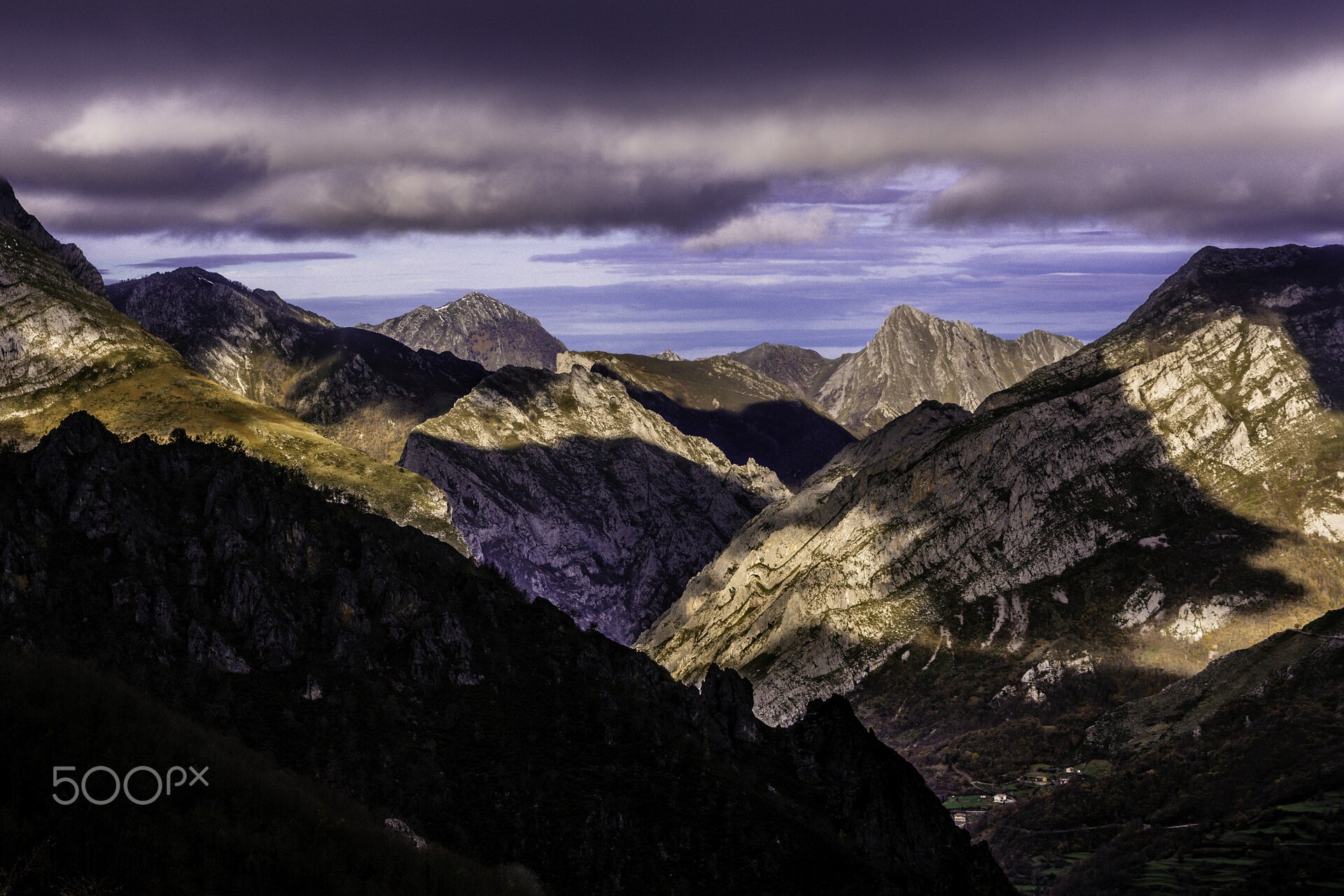
Real vehicles you can book
Tap a vehicle to see its photos, floorplan and live prices for your dates.
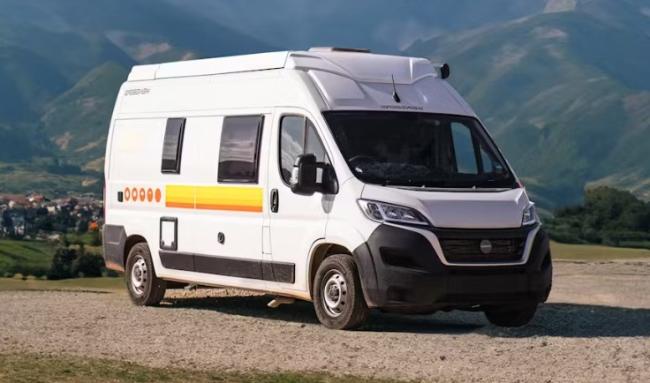
Indie Campers · Campervan · sleeps 2
Active Bunk
Best for: Couples
Check dates & prices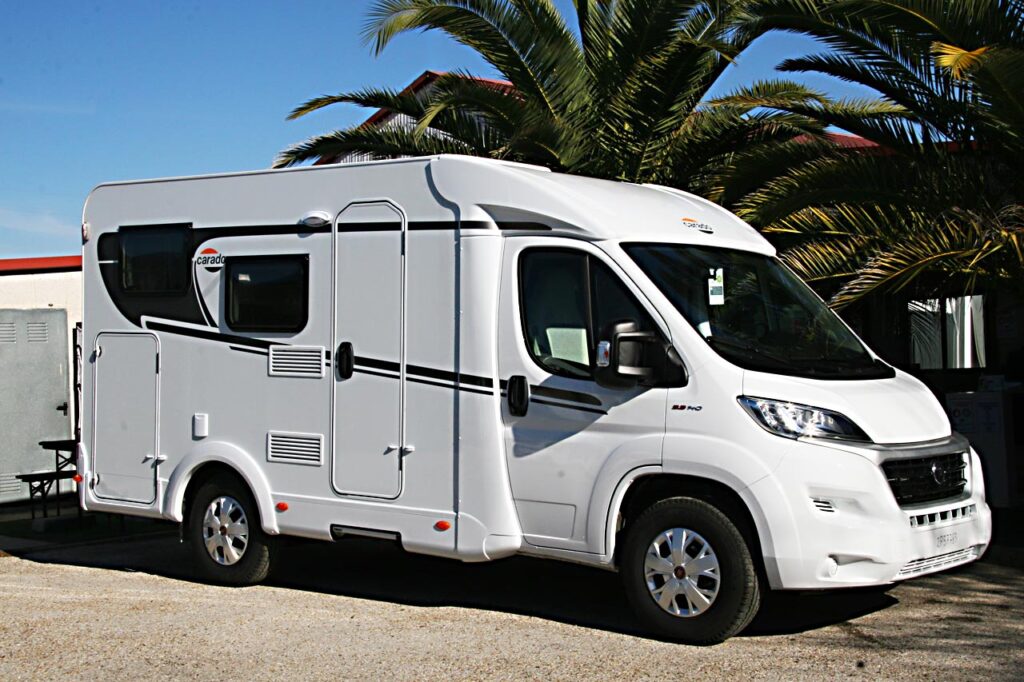
Autocaravan Express · Campervan · sleeps 2
Active Compact - Carado V-132
Best for: Couples
Check dates & prices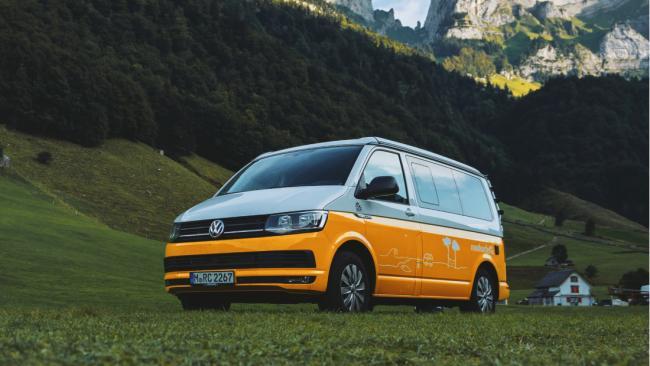
roadsurfer · Campervan · sleeps 2
Beach Hostel
Best for: Couples
Check dates & prices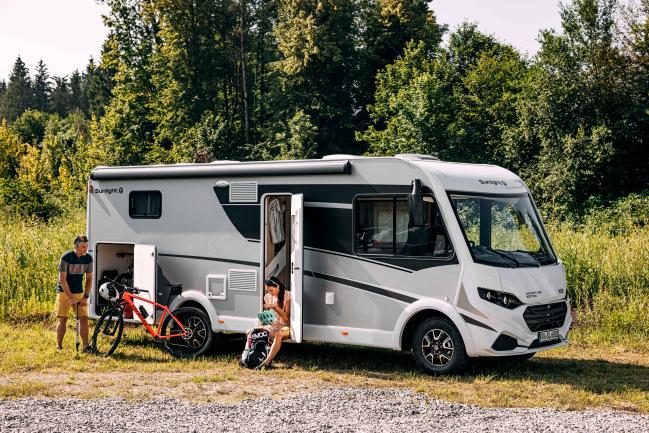
McRent Spain · Campervan · sleeps 2
Comfort Luxury
Best for: Couples
Check dates & prices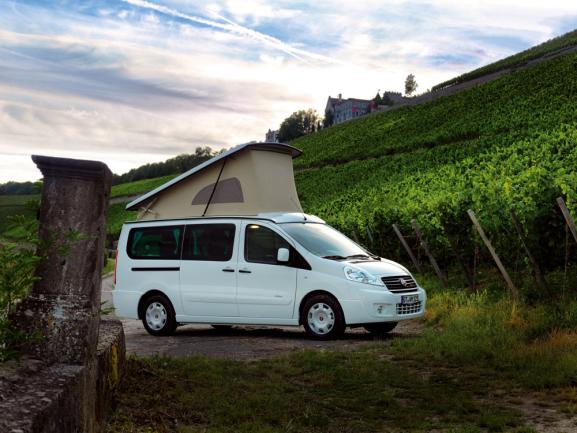
Euromotorhome Rental · Campervan · sleeps 2
Group - A
Best for: Couples
Check dates & prices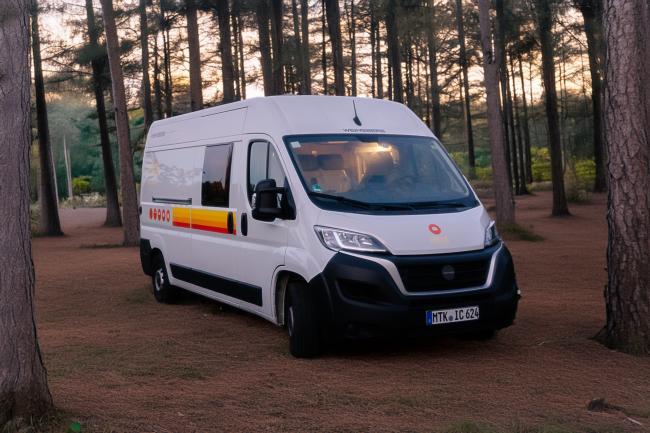
Indie Campers · Campervan · sleeps 2
Active Bunk 4 Auto
Best for: Couples
Check dates & pricesRental companies in Spain
We only list established fleets with their own vehicles. No peer-to-peer rentals and no paid rankings.
Autocaravan Express
A long-established Spanish specialist with modern, fully equipped family motorhomes and alcove models. Depots are mainly in central and southern hubs.
View fleet & profile →
Euromotorhome Rental
A veteran European operator with a wide fleet of profile and low-profile motorhomes, good for cross-country trips. Depots are in major transport cities.
View fleet & profile →

Indie Campers
A major European campervan provider with modern compact campervans, pop-top vans and family motorhomes. Pick-up is flexible and digital.
View fleet & profile →
McRent Spain
Europe's largest motorhome rental network, with late-model, high-spec Dethleffs and Sunlight vehicles. All come with full manufacturer warranties and strict servicing standards.
View fleet & profile →

roadsurfer
Specialises in compact Volkswagen and Mercedes-Benz pop-top campervans and custom compact vans, good for mountain roads and coastal trips.
View fleet & profile →
Where to pick up your campervan
Catalonia, Pyrenees & Andorra
Mountain passes, Costa Brava coves and the volcanic valleys of inland Catalonia.
Madrid, Aragon & Central Meseta
High plains, historic imperial cities and the quiet, uncrowded ranges of Aragon.
Andalusia & Southern Spain
Moorish citadels, olive-covered sierras, flamenco heritage and sunny beaches on the Atlantic and Mediterranean.
Valencia & Costa Blanca
Orange groves, white sand shorelines and calm lagoons running down to the Mar Menor.
- Alicante →
- Alicante Airport →
- Alicante Railway Station
- Cartagena →
- Elche →
- Murcia →
- Murcia San Javier Airport
- Valencia →
- Valencia Airport →
Green Spain & Basque Country
Green rolling pastures, craggy Atlantic cliffs, the Picos de Europa peaks and top food towns.
Spanish Islands
Subtropical volcanic valleys, pine-scented peaks and turquoise bays across Spain's Mediterranean and Atlantic islands.
Spain campervan map: pickups and highlights
Dark blue dots are pickup locations. Tap any other dot to see the nearest pickup and a rough drive time.
Spain pickup city guides
More European guides: Albania · Austria · Belgium · Bosnia · Bulgaria · Croatia · Czech Republic · Denmark · Estonia · Finland · France · Germany · Greece · Hungary · Iceland · Ireland · Italy · Latvia · Liechtenstein · Lithuania · Luxembourg · Macedonia · Monaco · Montenegro · Netherlands · Norway · Poland · Portugal · Romania · Serbia · Slovakia · Slovenia · Sweden · Switzerland
Top tip
Most airport depots sit in industrial estates, about 10 to 20 minutes from the terminal. You'll need a shuttle or short taxi ride to get there. Collect your van well before dusk, so you've time for the handover, inventory check and a quick grocery run before driving to your first campsite.
Trip cost calculator: fuel and campsites
Pick one of the road trips below or type your own distance to estimate fuel and overnight costs in EUR.
- Plan for (+20% detours)
- 984 km
- Fuel (128 litres)
- €198
- Campsites
- €230
- Fuel + campsites
- €428
Road fees: Most motorways (autovías) are toll-free. Where tolls apply, expect to pay roughly €5 to €20 depending on distance.
Diesel costs between €1.45 and €1.65 a litre at mainland Spanish filling stations. Estimates only; rental price, insurance and any mileage charges are shown in your quote.
Why choose Spain for a campervan holiday?
Few European countries suit campervan touring as well as Spain. Its varied landscape takes you from high Pyrenean passes and Cantabrian cliffs to the warm Mediterranean coast in a single day's drive. The roads are well maintained, and most scenic dual carriageways (autovías) are toll-free. Spain also has a huge network of official motorhome overnight stops, known locally as áreas de autocaravanas, where self-contained vehicles can park legally and cheaply near historic villages, natural parks and surf beaches. Outside the hottest weeks of July and August, Spain offers mild, sunny winter and shoulder-season weather that's hard to beat elsewhere in Europe. Add regional tapas, friendly locals and easy outdoor access, and you've got one of the best self-drive destinations around.
Which vehicle suits your group?
Compact Pop-Top Campervan — Couples, solo travellers and budget road trippers
- Built on VW California or Mercedes Marco Polo platforms, under 5 metres long
- Easy to drive through narrow medieval village centres and fits standard parking spaces
- Comes with a gas stove, coolbox or fridge, and a manual or electric pop-up roof bed
- No onboard shower or fixed toilet, so you'll use campsite or service area facilities
Converted Panel Van (Van-Conversion) — Couples seeking self-containment or pairs of friends
- Usually 5.4 to 6.4 metres long, on a Fiat Ducato or Citroen Jumper chassis
- Has a permanent rear double bed and a compact wet-room with cassette toilet and shower
- A good balance of living space and easy handling on coastal roads
- Its low-key look helps you fit Spanish municipal parking rules
Low-Profile Coachbuilt (Semi-Integrated) — Small families, retirees and couples who want more living space
- Aerodynamic cab with a drop-down roof bed and fixed rear island or twin beds
- Roomy dinette, full-size three-way fridge and separate shower cubicles
- Big rear garage for folding bikes, outdoor furniture and leisure gear
- Length ranges from 6.5 to 7.4 metres, so plan your route carefully on tight mountain passes
Overcab / Alcove Motorhome — Larger families or groups of four to six adults
- Double sleeping berth over the driver cab frees up floor space below
- Permanent double bunks or rear beds seat up to six belted passengers
- Tall, often over 3.1 metres, so watch for toll booths and bridges
- Uses more fuel due to wind resistance, best for relaxed cruising on autovías
Best time to travel and weather
Spring (April to June)
- Daytime temperatures of 18°C to 26°C, good for hiking, cycling and city sightseeing
- Green inland plains and running rivers in the northern valleys
- Campsites open for the season, with plenty of space and no summer surcharges
Summer (July to August)
- Intense heat across Andalusia, Extremadura and the central plains, often over 40°C
- The Atlantic north (Green Spain) stays cooler, around 24°C
- Coastal campsites fill up fast, so book ahead near beaches
Autumn (September to November)
- The Mediterranean sea stays warm through October, good for coastal stops
- Vineyard harvest across La Rioja, Penedès and Ribera del Duero
- Fewer crowds at big sights like the Alhambra and Park Güell
Winter (December to March)
- Costa Blanca, Costa del Sol and Murcia stay mild in winter, with daily highs around 16°C to 20°C
- Northern mountain passes get heavy snow, so carry winter chains or tyres
- A popular time for northern European snowbirds, with low off-season site fees
Classic Spain road trips
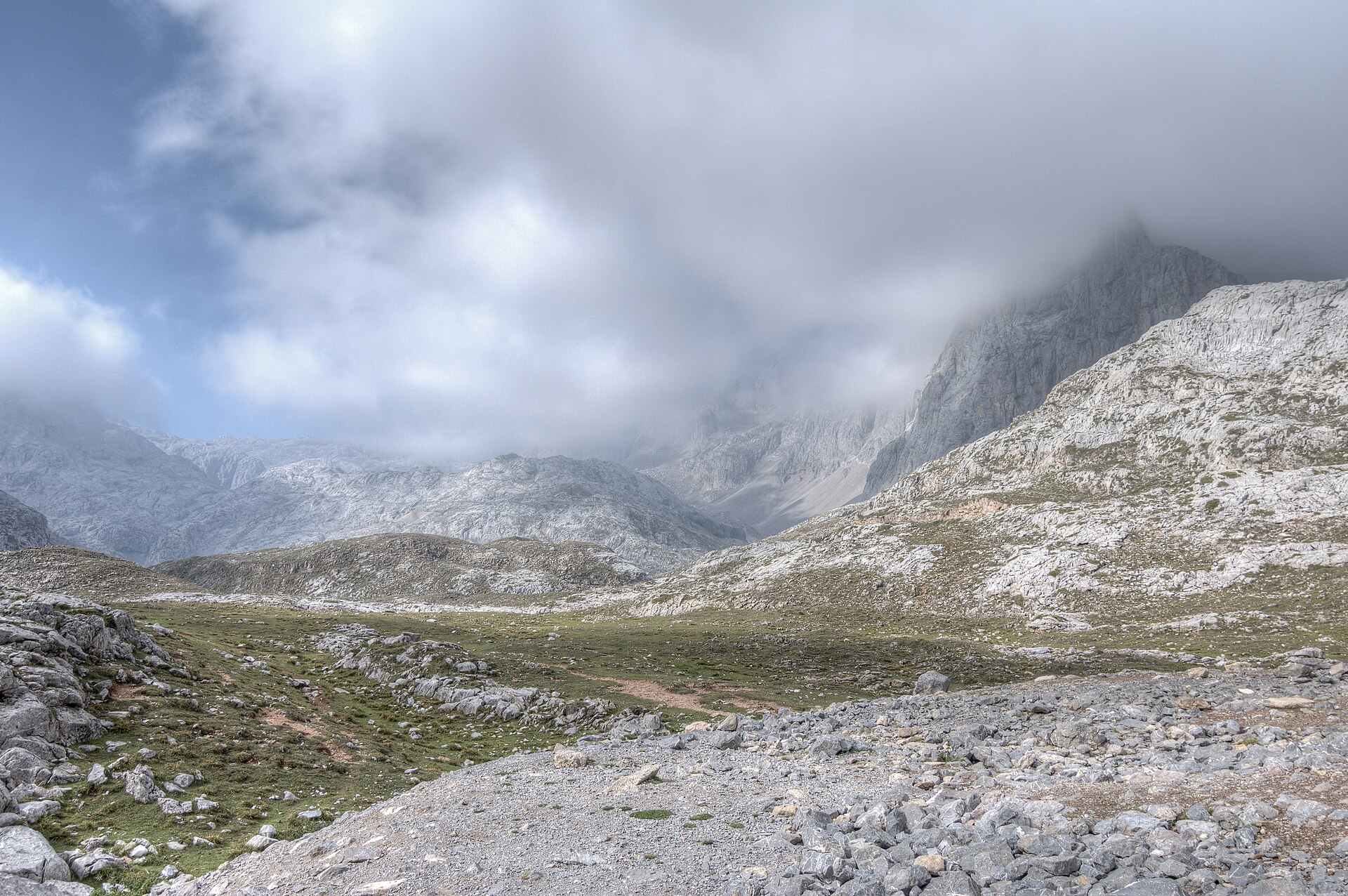
Cross Northern Spain from food-loving San Sebastian through Cantabria's limestone gorges to the pilgrimage terminus at Santiago de Compostela.
Day 1: Bilbao to San Sebastian & Zarautz
Driving: 1h30See: Guggenheim Museum Bilbao, pintxos bars in San Sebastian old town, coastal views from Mount Igueldo.
Overnight: Gran Camping Zarautz
Day 2: Zarautz to Santander & Santillana del Mar
Driving: 2h15See: Playa de Somo surf beach, Santander's Magdalena Peninsula, medieval stone streets of Santillana del Mar.
Overnight: Camping Santillana
Day 3: Santillana del Mar to Potes (Picos de Europa)
Driving: 1h45See: Desfiladero de La Hermida limestone gorge, Fuente Dé cable car, monastic heritage at Santo Toribio.
Overnight: Camping La Viorna
Day 4: Potes to Cangas de Onis
Driving: 2h00See: Picos de Europa high pastures, glacial Lakes of Covadonga, and the Holy Cave shrine of Covadonga.
Overnight: Camping Covadonga
Day 5: Cangas de Onis to Cudillero
Driving: 1h45See: Historic Roman bridge in Cangas, cider capital of Gijon, amphitheatre fishing village of Cudillero.
Overnight: Camping L'Amuravela
Day 6: Cudillero to Ribadeo
Driving: 1h30See: Luarca harbour, dramatic tidal arches at As Catedrais Beach, crossing the Galician rias.
Overnight: Área de Autocaravanas de Ribadeo
Day 7: Ribadeo to Santiago de Compostela
Driving: 2h00See: Serra de Meira mountain roads, Lugo's complete Roman walls, Praza do Obradoiro and Cathedral in Santiago.
Overnight: Camping As Cancelas
Must-see
- Lakes of Covadonga glacial mountain basins
- Fuente De sheer vertical limestone cliff face
- Playa de As Catedrais natural tidal stone arches
- Santillana del Mar preserved cobblestone alleys
Free stops
- Mirador de la Reina mountain viewpoint over Asturias
- Complete 3rd-century Roman city walls of Lugo walk
- Capilla de San Roque panoramic overlook in Lastres
Before you go
- In summer, you can only reach the Lakes of Covadonga by shuttle bus. Park early at the designated valley lots.
- The Desfiladero de La Hermida road is narrow with overhanging rock ledges. Take care if you're driving a wide motorhome.
- Galicia and Asturias get frequent Atlantic rain. Pack waterproofs whatever the season.
Where to stay overnight
- Wild camping (acampada libre), meaning awnings out, chairs out or stabiliser legs down outside a campsite, is illegal throughout Spain.
- Parking (estacionar) vs camping (acampar): under traffic code Instruction 08/V-743, you can sleep inside a properly parked vehicle on a public road, as long as everything stays inside the vehicle's footprint.
- Local rules beat national ones here. You can't sleep in your van inside protected natural parks, national reserves, or within 500 metres of the coast in most regions.
- Áreas de autocaravanas (motorhome service areas) are all over Spain. They cost roughly €5 to €15 a night and include fresh water and waste disposal.
- Spain has loads of private campsites, from smart resorts to simple municipal grounds. Expect hot showers, electrical hook-ups (usually 6A to 10A), and often a pool.
- Get apps like Park4night, Campercontact, and Caramaps. They'll show you local parking rules, height barriers, and where to find drinking water.
- Only empty black water (chemical toilet waste) and grey water (sink/shower drainage) at designated disposal points at campsites or municipal service stations.
Driving rules and road quirks
- Drive on the right. Overtake on the left.
- For motorhomes under 3.5 tonnes: 120 km/h on motorways, 90 km/h on single-carriageway national roads, and 30 km/h or 20 km/h in towns with single-lane roads.
- Over 3.5 tonnes? Stick to 90 km/h on motorways and 80 km/h on other roads.
- Most Spanish motorways (the AP network) are now toll-free. A few private toll roads remain around Madrid and Catalonia.
- Any Spanish town or city with over 50,000 people runs a Low Emission Zone (ZBE). If your van's registered abroad, register online with the city (Barcelona and Madrid included) before you drive in.
- Ferries run often from Barcelona, Valencia, and Denia to the Balearics, and from Cadiz or Algeciras to the Canary Islands and Ceuta.
- Winter tyres aren't compulsory everywhere, but you must carry snow chains over mountain passes marked with chain warning signs.
- You need a full EU/EEA driving licence. From outside the EU or UK? Bring an International Driving Permit (IDP) too.
- The drink-drive limit is 0.5 grams per litre for most drivers, dropping to 0.3 for new drivers (under two years) and commercial drivers. Breath tests are common.
Estimated touring costs for a campervan in Spain
Spain's one of the cheaper countries in Western Europe for a road trip. Groceries are affordable, most motorways are toll-free, and municipal service stops cost little.
| Diesel fuel per litre | Roughly €1.45 to €1.65 |
|---|---|
| Full-facility campsite pitch (high season) | Roughly €30 to €60 per night |
| Municipal motorhome aire (Área AC) | Roughly €0 to €15 per night |
| LPG (Autogas) refill per litre | Roughly €0.90 to €1.05 |
| Daily supermarket food shop (2 people) | Roughly €20 to €35 |
| Menu del Día (fixed-price lunch with drink) | Roughly €11 to €16 per person |
Security, border crossings, and local hazards
Spain's safe for motorhome travel overall, but petty theft happens at motorway service plazas, and crossing borders means carrying the right paperwork.
- Don't leave your campervan unattended at service stations on the AP-7 coastal route between the French border and Valencia. Thieves target tourists during short rest breaks.
- The Spain-France border is open under Schengen, but routine checks can cause queues at Pyrenean crossings like La Jonquera and Irun.
- Entering Andorra from Spain means going through customs. Coming back into Spain, they check fuel and electronics allowances strictly.
- Spanish law requires two warning triangles and one hi-vis vest per occupant, kept inside the cabin, not in the boot.
- In summer, park in shade where you can and fit thermal windscreen blinds. It stops the cabin overheating when it hits 40°C.
Day 1: first-timer checklist
- Walk round the van with the depot agent and photograph every scratch, scuff, or chip before you drive off.
- Check where the gas bottles sit, look at the regulator connection, and ask if it's butane or propane. You'll need propane for high mountains in winter.
- Find the fresh water hose, grey water valve, and black water cassette. Make sure the cassette's empty and fitted properly before you set off.
- Check the water pump, LED lights, and fridge ignition all work on 12V battery power.
- Set your sat nav to avoid narrow streets, pedestrian zones, and Low Emission Zones near the depot.
- Stop at a big supermarket (Mercadona, Carrefour, or Alcampo) for bottled water, pantry basics, and toilet chemicals.
- Aim to reach your first campsite by 18:00. Gives you time to park, level up, and hook up without rushing.
Must-do and must-try in Spain
Must-Do Campervan Experiences
- Wake up to Atlantic surf rolling into the sandy bays of Cantabria and Asturias.
- Drive the high mountain road up into the Sierra Nevada above Granada, and stop at the viewpoints along the way.
- Cycle the old railway trails (Vías Verdes) through the countryside, straight from your pitch.
- Park at an aire right below historic hill-castles like Olite, Peñafiel, or Alquezar.
- Experience the evening tapas crawl (paseo) in a regional village square, returning to your parked campervan just outside town walls.
Must-Try Regional Food & Drink
- Basque pintxos: small, elaborate bites on crusty bread, found in San Sebastian and Bilbao bars.
- Paella Valenciana: rice cooked over wood fire with rabbit, chicken, butter beans, and rosemary.
- Jamón Ibérico de Bellota: acorn-fed cured ham, sliced paper-thin, found across Extremadura and western Andalusia.
- Pulpo a la Gallega: Atlantic octopus with sea salt, olive oil, and paprika, a Galician classic.
- Sidra Natural: Asturian cider, poured from a height to give it a bit of fizz.
Scenic Driving Routes
- Desfiladero de La Hermida: a deep limestone canyon through the Cantabrian mountains on the N-621.
- Costa da Morte: wild lighthouses and granite headlands on the western tip of Galicia.
- The white villages drive through Serrania de Ronda, weaving between Zahara de la Sierra, Grazalema, and Ronda.
- Cabo de Gata: volcanic coastline with badlands, salt flats, and quiet cove beaches in Almeria.
Local apps and emergency numbers
- Emergencies: dial 112 for police, fire, or medical help anywhere in Spain. Operators speak several languages.
- Civil Guard traffic: dial 062 for roadside help or highway police.
- Apps worth having: Park4night and Campercontact for pitches, Google Maps or Waze for traffic.
- Hook-up adaptor: standard European blue CEE two-pin connectors are the norm. Bring a Schuko adapter too.
- Tap water's safe to drink across Spain, though it can taste mineral-heavy or chlorinated near the coast. Many campers stick to bottled water.
- Bring a few hose connectors (1/2", 3/4", and push-on rubber types), as filling taps vary in size from place to place.
- Currency is the Euro (€). Cards and mobile payments work almost everywhere, but keep small coins handy for water machines at service areas.
Official live links
- Spain Tourism Official Portal — The national tourism website, with regional attractions, natural parks, and cultural routes.
- DGT (Dirección General de Tráfico) — The official Spanish traffic authority site: live traffic, cameras, and vehicle rules.
- Federación Española de Campings — The official directory of licensed campsites across Spain's regions.
- Vías Verdes Network — The official guide to over 3,000 km of old railway lines turned into cycling and walking paths.
- AEMET (National Meteorological Agency) — Spain's national weather service, with regional forecasts and heat and mountain alerts.
Spain campervan FAQs
Can you wild camp in a campervan in Spain?
No. You can't set up chairs, tables, awnings, or stabilisers outside campsites or authorised aires anywhere in Spain. But you can park and sleep inside a fully self-contained van on normal roads, as long as local rules or park bylaws don't say otherwise.
What driving licence do I need to hire a motorhome in Spain?
A standard category B car licence, held for one or two years depending on the supplier, covers any motorhome up to 3,500 kg. Licence from outside the EU or UK? Bring an International Driving Permit (IDP) too.
Are toll roads expensive in Spain?
Most Spanish motorways (the 'A' roads) are toll-free. Many former toll autopistas ('AP' roads) are now free too, including the AP-7 from Tarragona to Alicante and the AP-2. A few private toll roads remain around Madrid, Navarre, and the Basque Country.
How do Low Emission Zones (ZBE) affect hired campervans?
Any Spanish city with over 50,000 people must run a Low Emission Zone. Spanish-registered hire vans usually already carry the DGT sticker. Foreign-registered van? Check the city's rules and register online before driving into the zone.
What is an Área de Autocaravanas?
An área de autocaravanas is a motorhome park, run by the council or privately. It gives you safe, level overnight parking built for self-contained vans, with fresh water, waste drains, grey water grates, and sometimes hook-ups, all for a small fee.
Can I hire a campervan in Spain during the winter?
Yes. Winter's a popular time to tour southern Spain by campervan, especially Andalusia, Murcia and the Costa Blanca, where daytime weather stays mild. High Pyrenean and Cantabrian mountain passes are the exception; you'll need cold-weather gear and snow chains.
Is tap water in Spain safe to drink from campervan tanks?
Tap water marked 'agua potable' is treated and safe to drink anywhere in Spain. On the Mediterranean coast, high mineral and chlorine content can affect the taste. Most road trippers use tank water for cooking and washing, and keep bottled water for drinking.
What are the height restrictions on coastal parking in Spain?
Many coastal towns in Andalusia, Catalonia and on the Cantabrian coast fit 2.0m or 2.2m height barriers at beach car parks, keeping campervans out during peak hours. Check the signs and look for designated motorhome bays.
How does the Price Beat Guarantee work?
Find a lower price and we'll beat it. The quote must be for the same vehicle from the same supplier, with identical depots, dates and times, matching inclusions, mileage and excess options, and be live and verifiable before you book. Conditions apply — see our terms.