
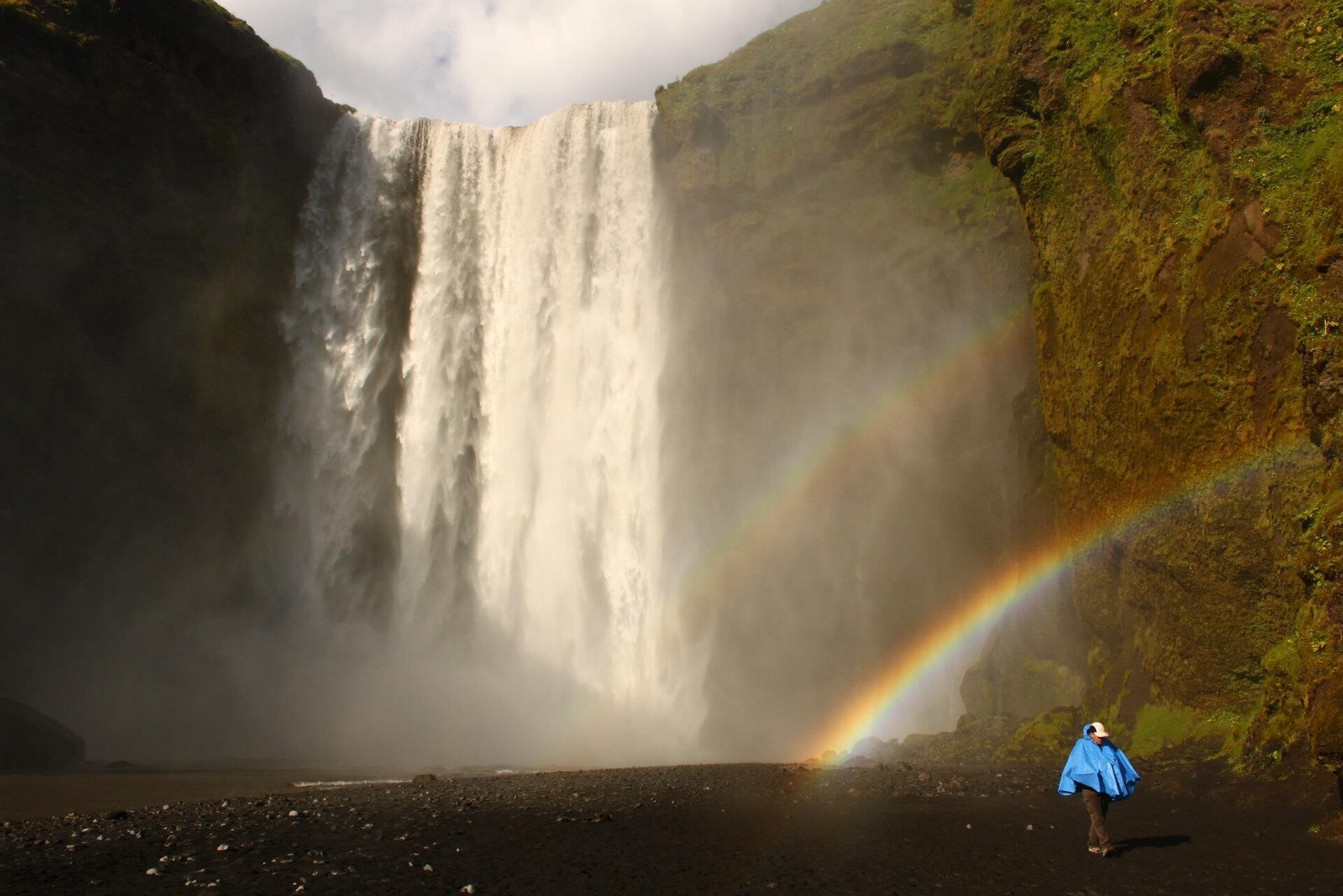
Real vehicles you can book
Tap a vehicle to see its photos, floorplan and live prices for your dates.
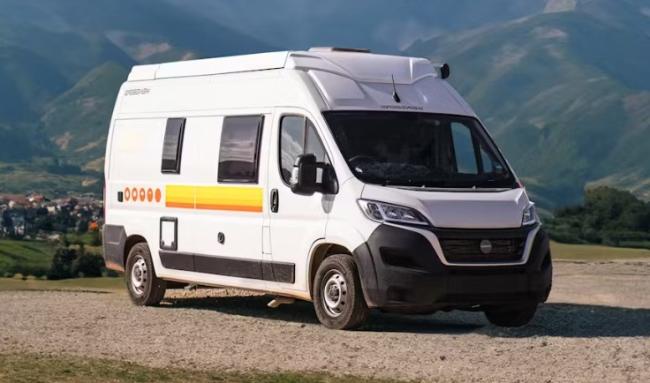
Indie Campers · Campervan · sleeps 2
Active Bunk
Best for: Couples
Check dates & prices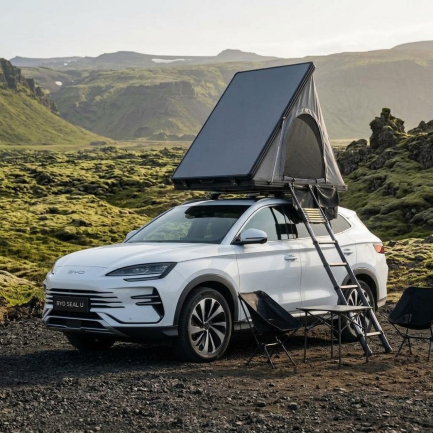
Blacksheep Campers · Campervan · sleeps 2
BYD Seal U
Best for: Couples
Check dates & prices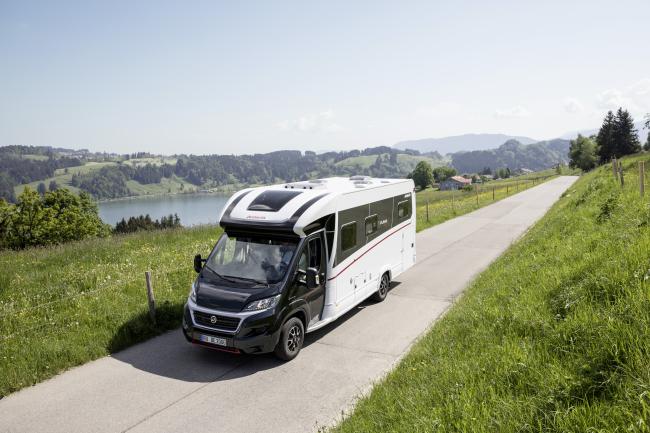
McRent Iceland · Campervan · sleeps 2
Comfort Plus
Best for: Couples
Check dates & prices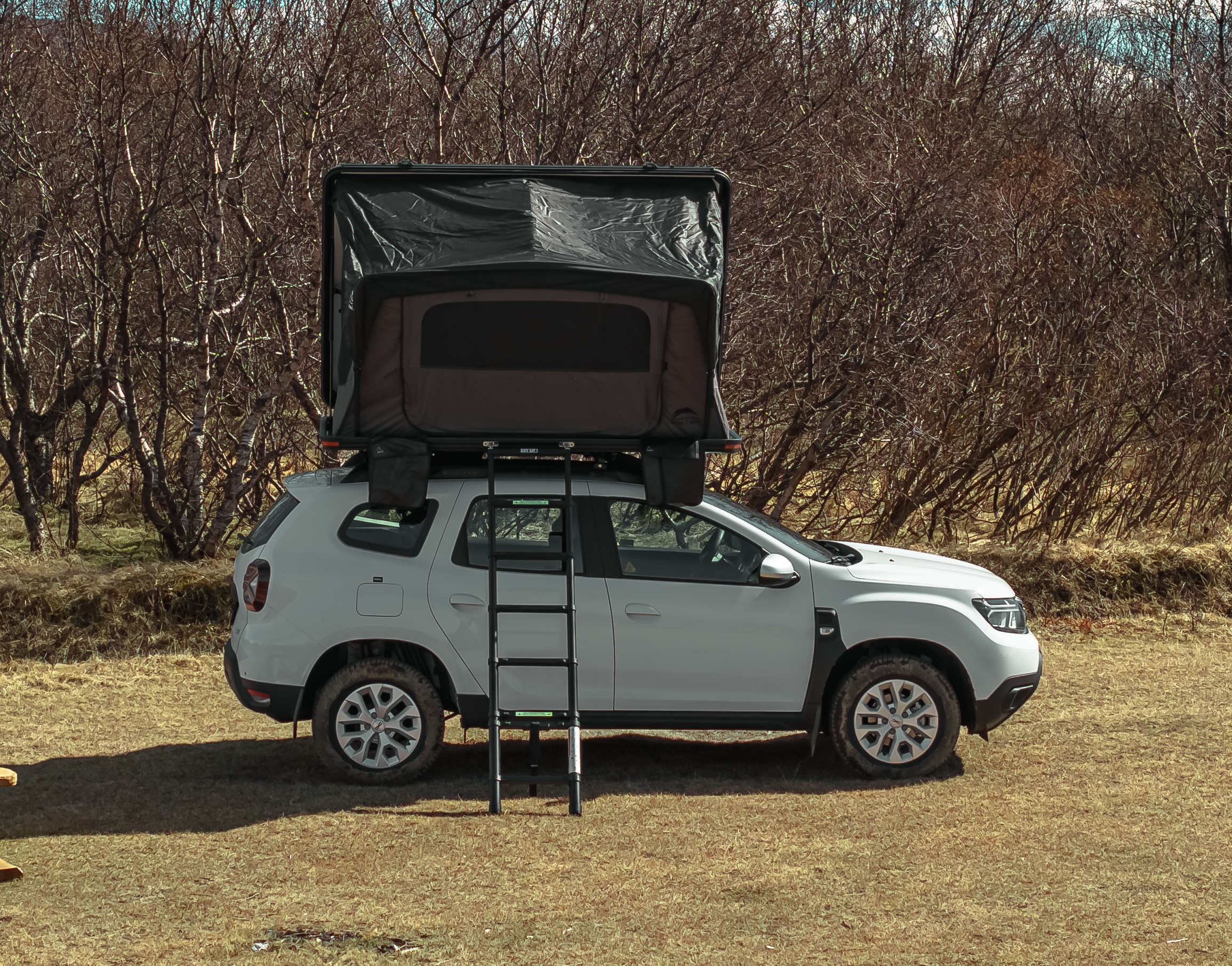
Europcar Motorhome Rentals · Campervan · sleeps 2
Dacia Duster 4x4 with Roof tent - XFFG
Best for: Couples
Check dates & prices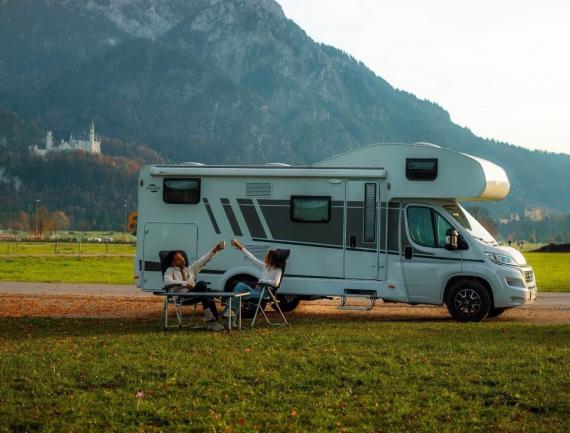
Touring Cars · Campervan · sleeps 2
Family for 5
Best for: Couples
Check dates & prices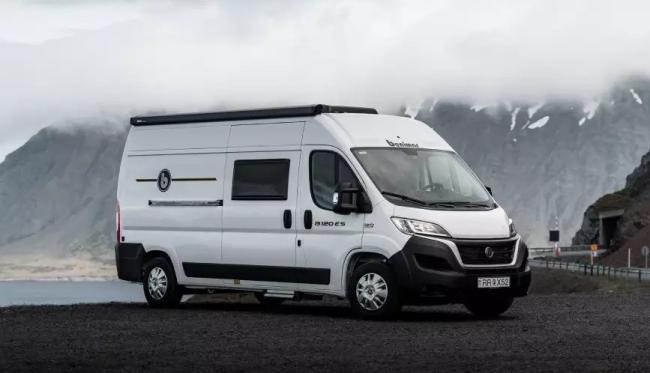
Hertz · Campervan · sleeps 2
Fiat Benivan 160 Motorhome
Best for: Couples
Check dates & pricesRental companies in Iceland
We only list established fleets with their own vehicles. No peer-to-peer rentals and no paid rankings.
Blacksheep Campers
Compact, custom-built campervans with kitchenettes and heating, good for couples and solo travellers.
View fleet & profile →
Europcar Motorhome Rentals
Modern motorhomes and campervans, backed by a wide support network across Iceland's main hubs.
View fleet & profile →
Hertz
Reliable, late-model 4x4 campers and standard vehicles, with airport pick-up.
View fleet & profile →

Indie Campers
A big European campervan brand offering budget van conversions and compact motorhomes, with flexible digital check-in.
View fleet & profile →
McRent Iceland
Europe's largest motorhome rental specialist, with premium semi-integrated and coachbuilt motorhomes and full equipment packages.
View fleet & profile →

Touring Cars
A long-standing Nordic motorhome rental company, known for thorough vehicle prep, winterised fleets and personal depot transfers.
View fleet & profile →
Where to pick up your campervan
Suðurnes (Reykjanes Peninsula)
The main international gateway, with active volcanic fissures, lava fields and the Blue Lagoon nearby.
- Keflavik →
- Keflavik International Airport
Capital Region (Höfuðborgarsvæðið)
Iceland's cultural and food capital, and a great place to stock up before hitting the road.
Iceland campervan map: pickups and highlights
Dark blue dots are pickup locations. Tap any other dot to see the nearest pickup and a rough drive time.
Iceland pickup city guides
More European guides: Albania · Austria · Belgium · Bosnia · Bulgaria · Croatia · Czech Republic · Denmark · Estonia · Finland · France · Germany · Greece · Hungary · Ireland · Italy · Latvia · Liechtenstein · Lithuania · Luxembourg · Macedonia · Monaco · Montenegro · Netherlands · Norway · Poland · Portugal · Romania · Serbia · Slovakia · Slovenia · Spain · Sweden · Switzerland
Top tip
Most campervan depots sit in the industrial zones of Reykjanesbær near Keflavík International Airport, not downtown Reykjavík. Operators usually offer free airport shuttles or key-box collection, so check whether pick-up means a terminal meet or a short transfer.
Trip cost calculator: fuel and campsites
Pick one of the road trips below or type your own distance to estimate fuel and overnight costs in ISK.
- Plan for (+20% detours)
- 1,598 km
- Fuel (208 litres)
- ISK 66,477
- Campsites
- ISK 48,000
- Fuel + campsites
- ISK 114,477
Road fees: Route 1 has no tolls apart from the Vaðlaheiðargöng tunnel in the north, which costs roughly 1,900 to 2,500 ISK, paid online.
Diesel runs about 310 to 335 ISK a litre, so fuel is the biggest variable cost on long trips. Estimates only; rental price, insurance and any mileage charges are shown in your quote.
Why Tour Iceland by Campervan or Motorhome
Iceland is one of Europe's best self-drive campervan destinations. Route 1, the Ring Road, loops the whole island, linking glaciers, geothermal vents, sea cliffs and black-sand beaches with no tricky navigation. Your own vehicle means no pricey hotels or fixed mealtimes: cook under the midnight sun or wake by a waterfall. North Atlantic weather changes fast, so having your bed with you lets you chase clearer skies whenever you like. Soak in a geothermal pool after a hike, or spot the Northern Lights from your roof hatch in autumn. Either way, you're right in the thick of Iceland's wild nature.
Which vehicle suits your group?
2-Berth 4x4 Campervan — Couples and solo travellers wanting off-road capability
- Four-wheel drive, built for graded F-roads
- Diesel parking heaters built in
- Small enough to park easily at trailheads and viewpoints
- Usually built on the Toyota Hilux, VW Transporter 4Motion or Dacia Duster
2-Berth Standard Campervan — Budget couples sticking to the paved Ring Road
- Fuel-efficient front-wheel drive (VW Caddy or Renault Kangoo)
- Fold-out double bed, built-in gas stove and cool box
- Not allowed on F-roads, but good for low-cost Route 1 touring
- Easy to drive and park on narrow streets
4-Berth Semi-Integrated Motorhome — Small families or two couples wanting full onboard facilities
- Cassette toilet and onboard hot water shower
- Fixed rear double or twin beds, plus an electric drop-down bed over the lounge
- Full kitchen with gas hob, sink and large dual-fuel fridge
- Needs a standard Category B licence (under 3,500 kg gross weight)
6-Berth Alcove (Overcab) Motorhome — Larger families or groups needing maximum space
- Overcab double berth, with standing headroom throughout
- Large rear garage for luggage, prams or outdoor gear
- Large fresh and waste water tanks for longer trips off-grid
- Higher wind profile, so take care in Atlantic coastal gales
Best time to travel and weather
Summer (June to August)
- 24-hour daylight under the midnight sun, so you can tour any time
- Highland F-roads and mountain passes usually open by early to mid-July
- Peak season: campsites, attractions and depots are busy
Autumn (September to October)
- Darker skies bring back the Northern Lights
- Fewer tourists and colourful autumn foliage in the valleys
- Highland roads close with early snow, and coastal winds pick up
Winter (November to March)
- Tough driving: packed snow, black ice and frequent storms
- Only 4 to 6 hours of daylight; many rural campsites close for the season
- Studded winter tyres needed, and check daily weather alerts
Spring (April to May)
- Daylight hours grow fast, and lower ground starts to thaw
- Shoulder-season prices on hire, with quiet roads and attractions
- Highland interior still blocked by deep snow and spring mud
Classic Iceland road trips
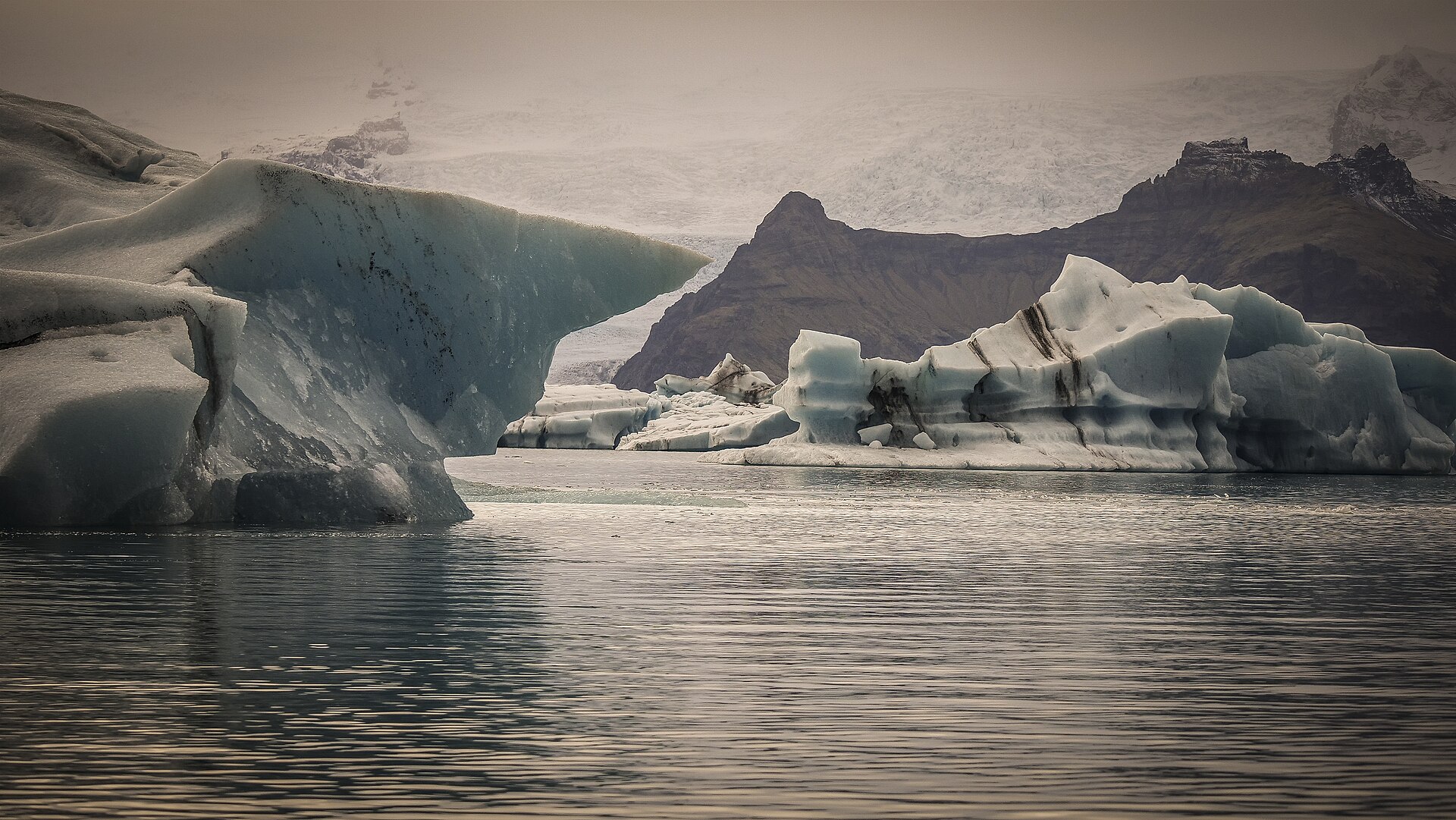
The classic circuit of Iceland, taking in huge waterfalls, active volcanoes, glacial lagoons and remote eastern fjords.
Day 1: Keflavík to Selfoss via the Golden Circle
Driving: 2h45See: Þingvellir National Park, Geysir geothermal field, and Gullfoss waterfall
Overnight: Gesthús Selfoss Campsite
Day 2: Selfoss to Skógar & Vík
Driving: 2h00See: Seljalandsfoss, Gljúfrabúi, Skógafoss, and the black sands of Reynisfjara
Overnight: Vík Campsite
Day 3: Vík to Skaftafell
Driving: 2h15See: Eldhraun lava field, Skeiðarársandur outwash plain, and Svartifoss basalt waterfall
Overnight: Skaftafell Campsite (Vatnajökull National Park)
Day 4: Skaftafell to Höfn
Driving: 1h45See: Fjallsárlón and Jökulsárlón glacier lagoons, Diamond Beach, and Stokksnes
Overnight: Höfn Campsite
Day 5: Höfn to Egilsstaðir via the Eastfjords
Driving: 3h30See: Djúpivogur fishing harbour, coastal fjords, and Öxi mountain pass (weather permitting)
Overnight: Egilsstaðir Campsite
Day 6: Egilsstaðir to Lake Mývatn
Driving: 2h15See: Dettifoss (east or west bank), Námaskarð boiling mud pits, and Krafla caldera
Overnight: Mývatn Campsite (Hlíð)
Day 7: Lake Mývatn to Akureyri
Driving: 1h30See: Dimmuborgir lava pillars, Goðafoss waterfall, and Eyjafjörður coastal views
Overnight: Hamrar Campsite (Akureyri)
Day 8: Akureyri to Blönduós & Hvammstangi
Driving: 2h30See: Tröllaskagi peaks, Glaumbær turf farm, and the seal colonies of Vatnsnes
Overnight: Hvammstangi Campsite
Day 9: Hvammstangi to Borgarnes
Driving: 2h00See: Grábrók volcanic crater, Deildartunguhver hot spring, and Hraunfossar waterfalls
Overnight: Borgarnes Campsite (Granastaðir)
Day 10: Borgarnes to Keflavík
Driving: 1h45See: Hvalfjörður tunnel, Reykjavík maritime harbour, and Reykjanes coastal lava fields
Overnight: Sandgerði Campsite
Must-see
- Jökulsárlón Glacier Lagoon and Diamond Beach
- Goðafoss (Waterfall of the Gods)
- Dettifoss, Europe's most powerful waterfall
- Reynisfjara black sand beach and basalt sea stacks
Free stops
- Fjaðrárgljúfur Canyon viewpoint trails
- Hverir geothermal area boiling mud pools at Námaskarð
- Dimmuborgir ancient lava formations
Before you go
- Pay the Vaðlaheiðargöng tunnel toll online within 24 hours of passing Akureyri to dodge rental surcharges.
- Fog can be bad in the eastern fjords. Use headlights and check road.is for conditions.
- Fuel stations are few and far between from Mývatn to Egilsstaðir. Fill up whenever you see a pump.
Where to stay overnight
- Wild camping in campervans, motorhomes and caravans is banned across Iceland by law. You must stay overnight at a registered campsite.
- You rarely need to book, except peak July weekends. Most municipal sites are first-come, first-served.
- The Útilegukortið (Campingcard) covers dozens of campsites nationwide for up to 28 nights. It's worth it for trips of 7 days or more.
- Plan winter routes carefully. Over 150 sites run in summer, but only around 25 to 30 stay open year-round with heated facilities.
- Standard campsite facilities include drinking water taps, grey and black waste disposal, and electrical hook-ups (CEE 16A blue sockets).
- Many smaller sites are unstaffed. A warden collects fees in the evening or morning, or you pay via a QR code using apps like Parka.is.
- Never drive off designated tracks or parking bays. Subarctic moss can take decades to recover from tyre damage.
Driving rules and road quirks
- Drive on the right and overtake on the left. Keep headlights on 24 hours a day, all year round.
- Speed limits are strictly enforced: 50 km/h in towns, 80 km/h on gravel roads, and 90 km/h on paved highways. This applies to campervans both under and over 3.5 tonnes.
- Iceland's drink-drive limit is near zero (0.02% blood alcohol). Even a small amount means heavy fines and losing your licence.
- F-roads (mountain tracks starting with 'F') are legally restricted to four-wheel-drive vehicles only. Standard two-wheel-drive motorhomes and campers are banned.
- Rental insurance never covers river crossings on highland F-roads. Submerged boulders and shifting currents make them extremely dangerous for camper conversions.
- Route 1 has many single-lane wooden and concrete bridges. The vehicle closest to the bridge goes first, so slow to a crawl as you approach.
- The Vaðlaheiðargöng tunnel near Akureyri is Iceland's only toll road. There are no toll booths, so register and pay online at veggjald.is.
- Hold the door with both hands when opening it near the coast. Atlantic gusts can rip doors clean off their hinges.
- Winter tyres are mandatory from 1 November to 14 April. Studded tyres are allowed, and most rental fleets fit them for this period.
- A standard national driving licence in Latin script covers vehicles up to 3,500 kg gross weight. You only need an International Driving Permit if your licence isn't in Latin script.
Typical Campervan Travel Expenses in Iceland
Iceland is one of Europe's pricier destinations, but a motorhome saves you a lot on dining and lodging. Fuel and groceries are your main daily costs.
| Diesel fuel (per litre) | Roughly 310 to 335 ISK |
|---|---|
| Campsite fee (per adult/night) | Roughly 1,800 to 2,500 ISK |
| Electricity hook-up (per night) | Roughly 1,000 to 1,500 ISK |
| Vaðlaheiðargöng tunnel toll (single trip) | Roughly 1,900 to 2,500 ISK (online) |
| Campingcard (valid up to 28 nights) | Roughly 24,900 ISK |
| Basic grocery basket for two (3 days) | Roughly 12,000 to 18,000 ISK |
Weather Hazards, F-Roads, and Vehicle Protection
The subarctic climate can turn hazardous fast. Know the local warning systems before you drive through exposed terrain.
- Daily alerts: check safetravel.is and en.vedur.is morning and evening for weather warnings, yellow/orange gale alerts and road closures.
- Wind threshold: don't drive high-profile motorhomes or campervans in sustained winds over 15 m/s (34 mph) or gusts over 20 m/s (45 mph).
- Gravel protection: secondary roads throw up volcanic grit, so Sand and Ash Protection (SADW) and Gravel Protection (GP) insurance are worth having.
- River fording: even high-clearance 4x4 campervans risk hidden underwater holes at river crossings. Walk the river or watch others cross first.
- Emergency beacons: remote inland routes often have no phone signal, so hire a 112 satellite emergency beacon via SafeTravel for backcountry travel.
Day 1: first-timer checklist
- Check the campervan carefully at handover. Note every scrape, windscreen chip and undercarriage scratch on the contract.
- Test the diesel/gas heater, water pumps, gas stove burners and charging cables before you leave the depot.
- Check you've got an emergency triangle, hi-vis vests, a puncture kit or spare wheel, and an ice scraper.
- Stock up on staples, pantry goods and bottled water at a cheap supermarket like Bónus or Krónan in Reykjanesbær or Reykjavík.
- Pair your phone with Apple CarPlay or Android Auto, and download offline Google Maps and the SafeTravel Iceland app.
- Before you hit Route 1, check en.vedur.is and umferdin.is for wind and rain alerts on your route.
- Keep your first drive under 2 hours. You'll need time to get used to the vehicle's height, crosswind sensitivity and wide turning circle.
- Get to your first campsite before dusk. Connect the electrical hook-up, test the water heating and sort your living quarters in daylight.
Must-do and must-try in Iceland
Must-Do Highlights
- Take a boat or zodiac tour among the floating blue icebergs at Jökulsárlón glacier lagoon
- Soak in geothermal water at the Blue Lagoon, Sky Lagoon, or a remote hot pot like Hrunalaug
- Walk behind the curtain of water at Seljalandsfoss waterfall. Wear waterproofs.
- Watch for the green ribbons of the Northern Lights from your camper bed, between September and April
- Hike the rim of the huge Ásbyrgi horseshoe canyon in the northeast wilderness
Must-Try Icelandic Flavours
- Kjötsúpa: traditional Icelandic lamb soup packed with root vegetables and herbs
- Skyr: thick, protein-rich dairy, eaten plain, with berries, or blended into smoothies
- Plokkfiskur: fish stew made from flaked cod or haddock, potatoes, onions and béchamel sauce
- Rúgbrauð: dense, sweet dark rye bread, traditionally baked underground using geothermal heat
- Pylsur: Icelandic hot dogs made from lamb, pork and beef, topped with crispy and raw onions, remoulade and sweet mustard
Hot Spring Etiquette & Cultural Customs
- Shower naked with soap before entering public pools and geothermal lagoons
- Take off outdoor shoes at the changing room entrance to keep communal areas clean
- Keep quiet and avoid splashing in small community hot tubs ('heitir pottar')
- Never take glass bottles or breakable containers into natural hot springs
- Leave geothermal streams as you found them. Take all rubbish with you and don't move the rocks.
Local apps and emergency numbers
- Emergency Services: Dial 112 anywhere for police, fire, ambulance and maritime rescue.
- SafeTravel App: Log your daily travel plan and get hazard alerts for your location sent straight to your phone.
- Vedur.is: the Icelandic Met Office site, with hour-by-hour wind, rain and aurora forecasts.
- Umferdin.is (Road.is): real-time road conditions, updated around the clock by the Icelandic Road Administration (Vegagerðin).
- Parka.is: the app for campsite payments, national park parking fees and city parking meters.
- Clothing: pack thermal base layers, a fleece mid-layer and windproof, waterproof outer shells. Skip cotton.
- Electrical Adapter: Iceland uses European 2-pin Type C/F plugs (230V, 50Hz). Bring a 12V USB car charger for off-grid days.
- Waste Disposal: only empty cassette toilets and grey tanks at designated dumping stations, listed on campsite maps.
Official live links
- SafeTravel Iceland — Safety information, weather warnings and travel plan registration.
- Vegagerðin (Road Administration) — Live webcams, gravel status and winter pass conditions for all national roads.
- Icelandic Meteorological Office — Forecasts for wind warnings, rain, snow and aurora activity.
- Visit Iceland — Tourism board portal with regional guides and attraction opening times.
- Veggjald Tunnel Toll — Where you pay the toll for the Vaðlaheiðargöng tunnel.
Iceland campervan FAQs
Is wild camping permitted in Iceland with a campervan?
No. Icelandic law bans sleeping in a campervan, motorhome or any vehicle with living facilities outside designated, registered campsites, unless the landowner gives you written permission.
Can I drive my rental motorhome on F-roads in the Highlands?
Only if your rental supplier has approved your 4x4 campervan for F-roads. Standard two-wheel-drive campervans and larger motorhomes can't go on F-roads at all, and insurance won't cover breaches or water damage from river crossings.
Do I need to book campsites in advance?
Most Icelandic campsites don't need or take advance bookings. You turn up, find a space, and pay the warden on site or via the Parka.is app. Only a few sites near Reykjavík or popular nature reserves offer online reservations.
What is the speed limit for campervans in Iceland?
Speed limits are 50 km/h in towns, 80 km/h on unpaved gravel roads, and 90 km/h on paved rural highways. These apply to all campervans and motorhomes, under or over 3.5 tonnes.
How do I pay for the Vaðlaheiðargöng tunnel near Akureyri?
There are no toll booths. Register your number plate and pay the transit fee online at veggjald.is, within 24 hours before or after you go through. If you don't pay, the bill goes to your rental company, who'll add an admin charge.
What fuel do campervans use, and how do you pay at the pumps?
Almost all campervans and motorhomes in Iceland run on diesel. Most rural stations have unmanned pumps that need a debit or credit card with a 4-digit chip-and-PIN. Pre-paid fuel cards from chains like N1 or Olís are a popular alternative.
How cold does it get inside a campervan at night?
Most campervans and motorhomes hired in Iceland have an auxiliary heater (a Webasto or Truma system) that runs independently of the engine, drawing a little power from a leisure battery and diesel/gas. It keeps the cabin warm even below freezing.
What do I do if there's a severe wind warning?
Don't drive. High-profile campervans can easily be blown off the road by strong crosswinds. If wind speeds hit 15 to 20 m/s, park facing head-on into the wind at a sheltered spot or campsite, secure the doors, and wait until the weather service says the gale has passed.
How does the Price Beat Guarantee work?
Find a lower price and we'll beat it. The quote must be for the same vehicle from the same supplier, with identical depots, dates and times, matching inclusions, mileage and excess options, and be live and verifiable before you book. Conditions apply — see our terms.