
Real vehicles you can book
Tap a vehicle to see its photos, floorplan and live prices for your dates.
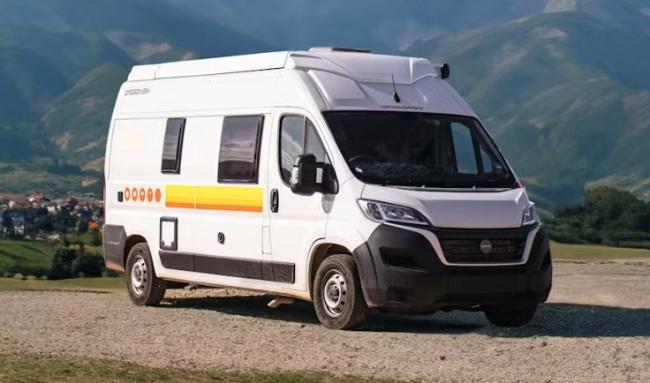
Indie Campers · Campervan · sleeps 2
Active Bunk
Best for: Couples
Check dates & prices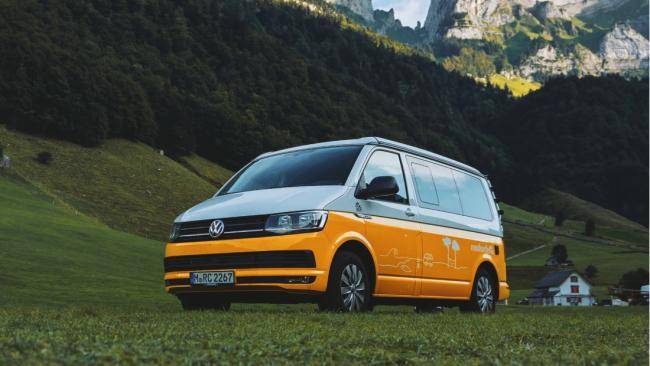
roadsurfer · Campervan · sleeps 2
Beach Hostel
Best for: Couples
Check dates & prices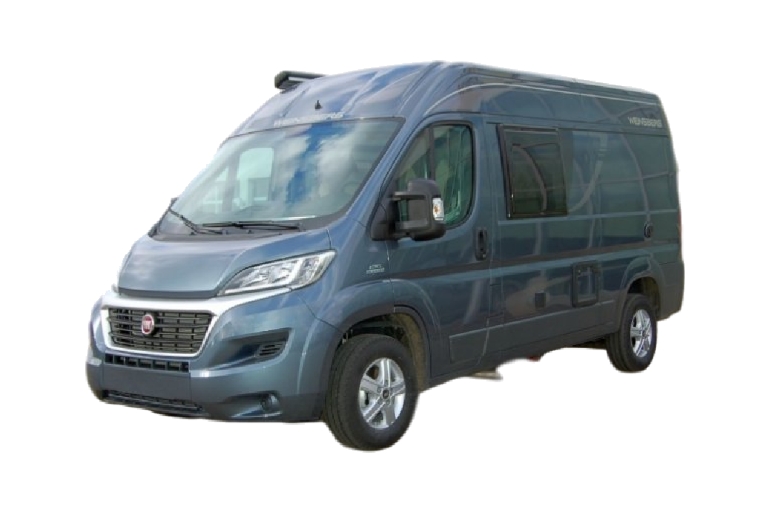
Camperline · Campervan · sleeps 2
Class 0
Best for: Couples
Check dates & prices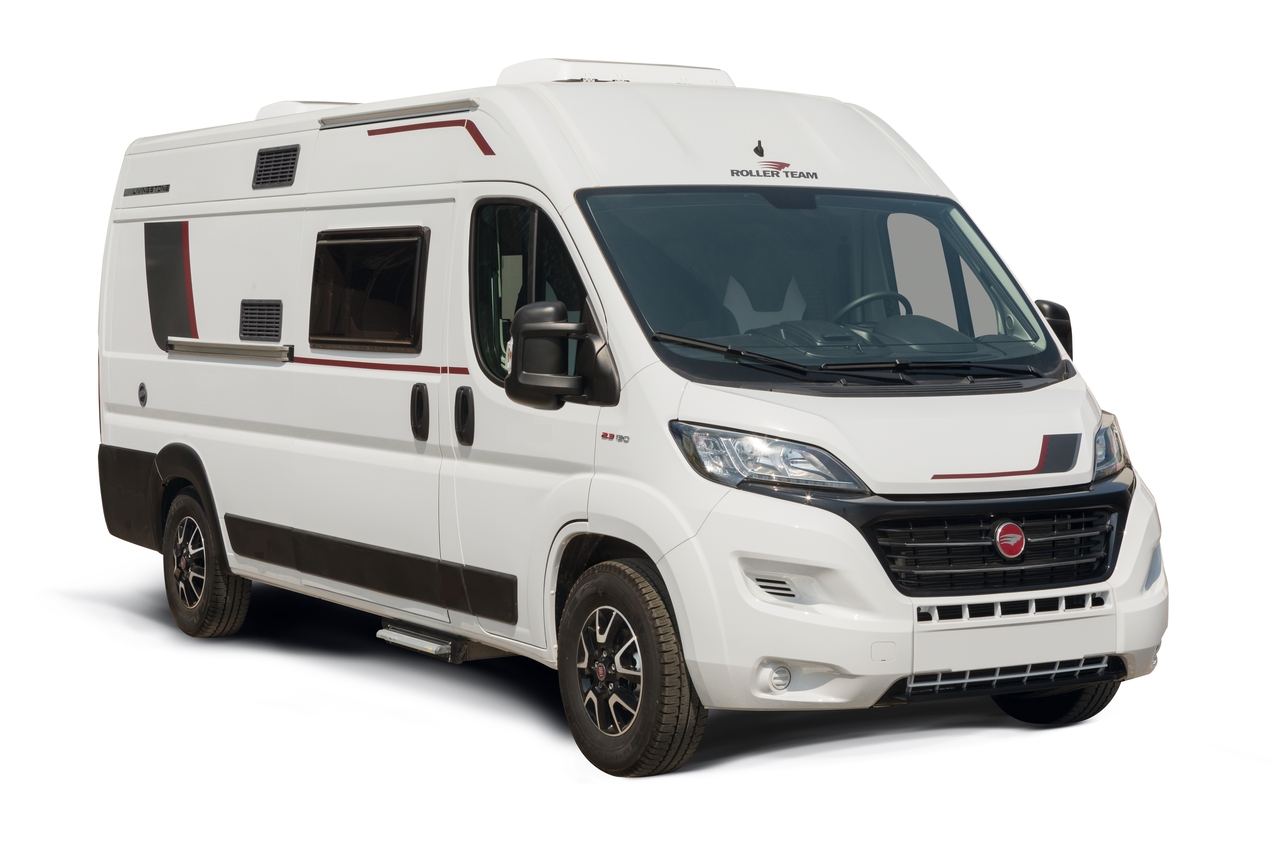
Campilider Motorhomes · Campervan · sleeps 2
Class Comfort
Best for: Couples
Check dates & prices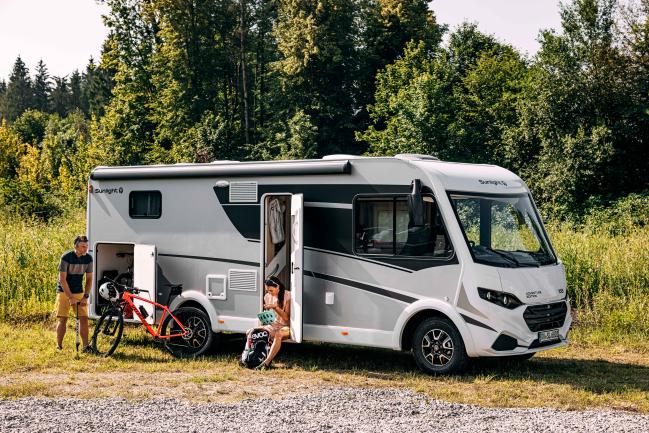
McRent Portugal · Campervan · sleeps 2
Comfort Luxury
Best for: Couples
Check dates & prices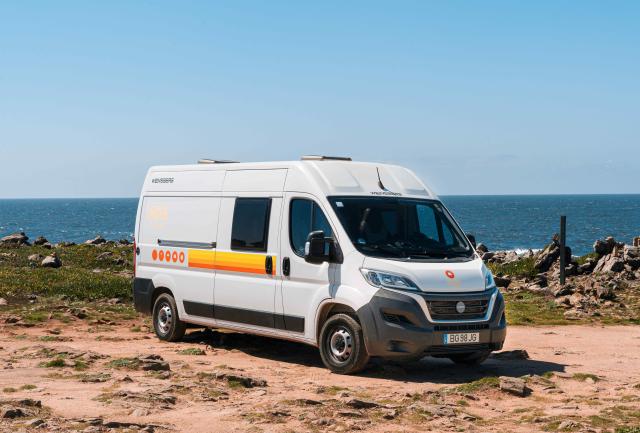
Indie Campers · Campervan · sleeps 2
Active Bunk Select
Best for: Couples
Check dates & pricesRental companies in Portugal
We only list established fleets with their own vehicles. No peer-to-peer rentals and no paid rankings.
Camperline
A long-standing Portuguese specialist with alcove family motorhomes and modern low-profile coachbuilts.
View fleet & profile →
Campilider Motorhomes
A regional operator with clean, well-kept semi-integrated motorhomes for couples and families on longer trips.
View fleet & profile →

Indie Campers
Europe's largest campervan hire operator, with everything from compact pop-tops to large automatic coachbuilts.
View fleet & profile →
McRent Portugal
A trusted European franchise with high-spec Dethleffs and Sunlight motorhomes, backed by full mechanical cover.
View fleet & profile →

roadsurfer
A specialist in compact campervans, with modern Volkswagen and Mercedes-Benz pop-tops built for easy coastal exploring.
View fleet & profile →
Where to pick up your campervan
The Algarve & Southern Coast
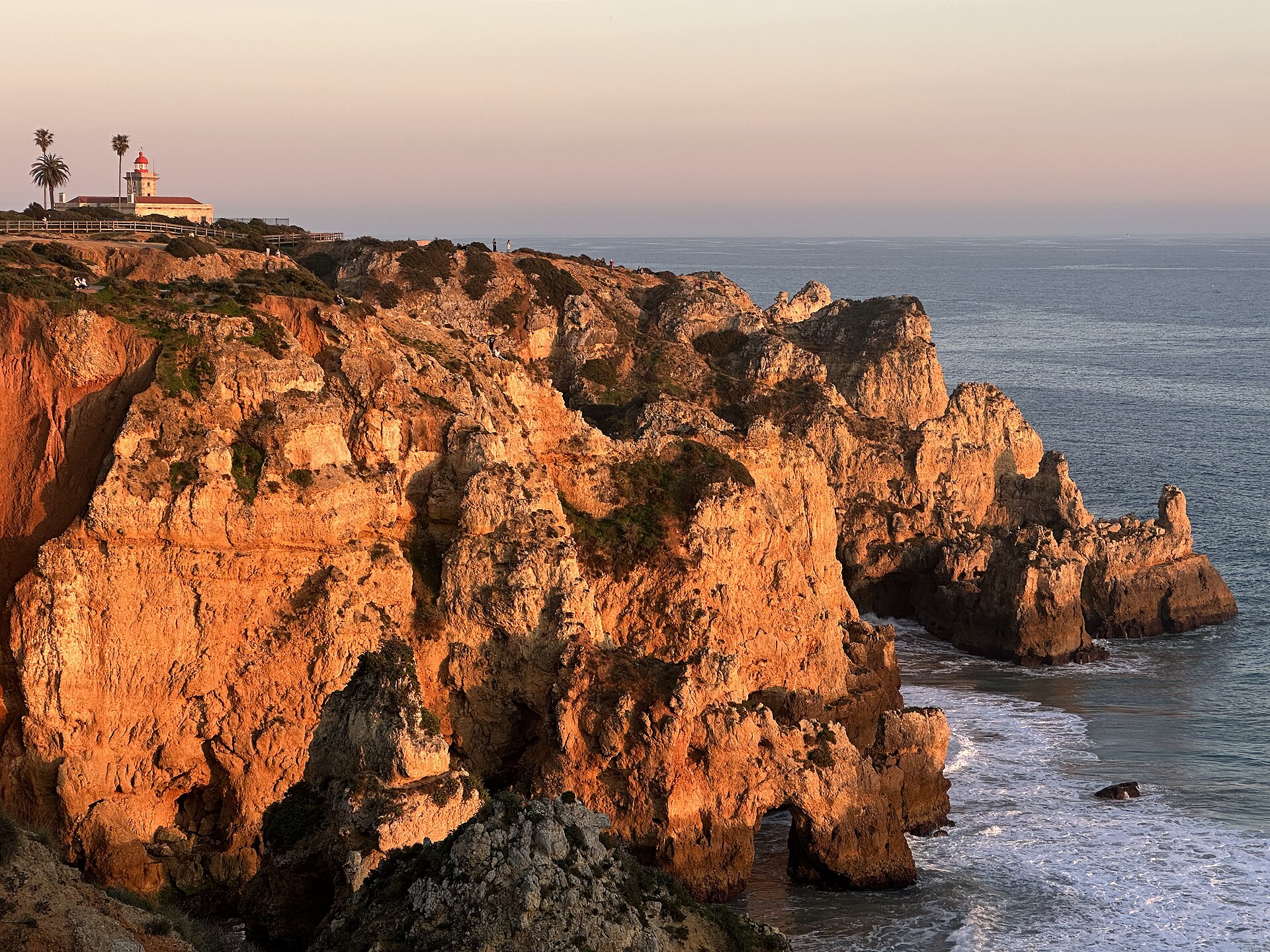
Limestone sea arches, sheltered coves and surf-battered Atlantic cliffs along the Costa Vicentina.
- Algarve
- Faro →
- Faro Airport →
- Lagos →
Lisbon & Central Portugal
UNESCO heritage towns, pine forests, fishing ports and top surf spots.
Porto & Northern Portugal
Steep terraced vineyards, river valleys, mountain national parks and coastal towns.
Portugal campervan map: pickups and highlights
Dark blue dots are pickup locations. Tap any other dot to see the nearest pickup and a rough drive time.
Portugal pickup city guides
More European guides: Albania · Austria · Belgium · Bosnia · Bulgaria · Croatia · Czech Republic · Denmark · Estonia · Finland · France · Germany · Greece · Hungary · Iceland · Ireland · Italy · Latvia · Liechtenstein · Lithuania · Luxembourg · Macedonia · Monaco · Montenegro · Netherlands · Norway · Poland · Romania · Serbia · Slovakia · Slovenia · Spain · Sweden · Switzerland
Top tip
Most rental depots sit in industrial parks 10 to 20 minutes from the airport, not at arrivals. Book a depot shuttle in advance or grab an Uber or Bolt from arrivals to cut waiting time. Check depot closing hours too, late arrivals can mean out-of-hours handover surcharges.
Trip cost calculator: fuel and campsites
Pick one of the road trips below or type your own distance to estimate fuel and overnight costs in EUR.
- Plan for (+20% detours)
- 504 km
- Fuel (66 litres)
- €113
- Campsites
- €260
- Fuel + campsites
- €373
Road fees: Expect to pay 8 to 12 euros per 100km in motorway tolls for Class 2 motorhomes using Via Verde.
Diesel is cheaper at supermarket stations like Continente, Intermarché and Pingo Doce than at motorway service plazas. Estimates only; rental price, insurance and any mileage charges are shown in your quote.
Why choose Portugal for a campervan holiday?
Portugal packs huge variety into a small road network. In one day you can go from the granite peaks of Peneda-Gerês National Park to the terraced vineyards of the Douro Valley, or from the wild cliffs of the Costa Vicentina to the sheltered coves of the Algarve. Municipal campsites and motorhome service areas (ASAs) cover every district, so you're never far from water, power or a dump point. The climate's among the mildest in Europe, with reliable sun outside peak summer, making spring and autumn great times to go. Add great seafood, easy tolls on the motorways, and simple access from international airports, and you've got an easy country for self-contained travel.
Which vehicle suits your group?
Pop-top Campervan — Couples, solo travellers and budget road trippers
- Small enough for standard car parking bays and narrow old-town streets
- Manual pop-up roof gives sleeping headroom, keeping the vehicle under two metres
- Comes with a portable or compact dual-burner gas stove, auxiliary battery and cool box
High-top Campervan — Couples who want standing room and surfers needing gear storage
- Built on long-wheelbase panel vans like the Fiat Ducato, with full standing height inside
- Has a built-in cassette toilet and compact wet-room shower
- Fixed rear double bed with a big garage underneath for boards and luggage
Semi-Integrated Motorhome — Small families and couples wanting separate living areas and extra comfort
- Aerodynamic coachbuilt body gives better fuel efficiency than alcove models
- Has a permanent rear island or twin beds, plus an electric drop-down double bed over the lounge
- Large external garage for bikes, outdoor furniture and other gear
Overcab / Alcove Motorhome — Larger families or groups needing the most separate berths
- Cab overhang houses a permanent double bed without eating into lounge space
- Certified for up to six travel seats with three-point seatbelts, and six matching berths
- Full kitchen with a large three-way fridge, separate freezer and full washroom
Best time to travel and weather
Spring (March to May)
- Mild days, 18°C to 23°C, good for hiking and sightseeing
- Wildflowers cover the Alentejo plains and the hills of the Serra da Estrela
- Coastal campsites have plenty of space, no need to book months ahead
Summer (June to August)
- Inland temperatures regularly top 35°C, while sea breezes cool the west coast
- Algarve coastal campsites fill up, so book serviced pitches early
- Fire safety rules and camping bans are strictly enforced in nature reserves
Autumn (September to November)
- Warm sea temperatures and steady swell draw surfers to Peniche and Ericeira
- Grape harvests bring activity and golden foliage to the Douro and Dão wine regions
- Traffic drops sharply after early September, so long coastal drives are easy
Winter (December to February)
- Southern Portugal is a top spot for European motorhome winter sun
- Northern Portugal gets frequent Atlantic rain and occasional snow in the high mountains
- Many rural municipal campsites run reduced winter hours or close for maintenance
Classic Portugal road trips
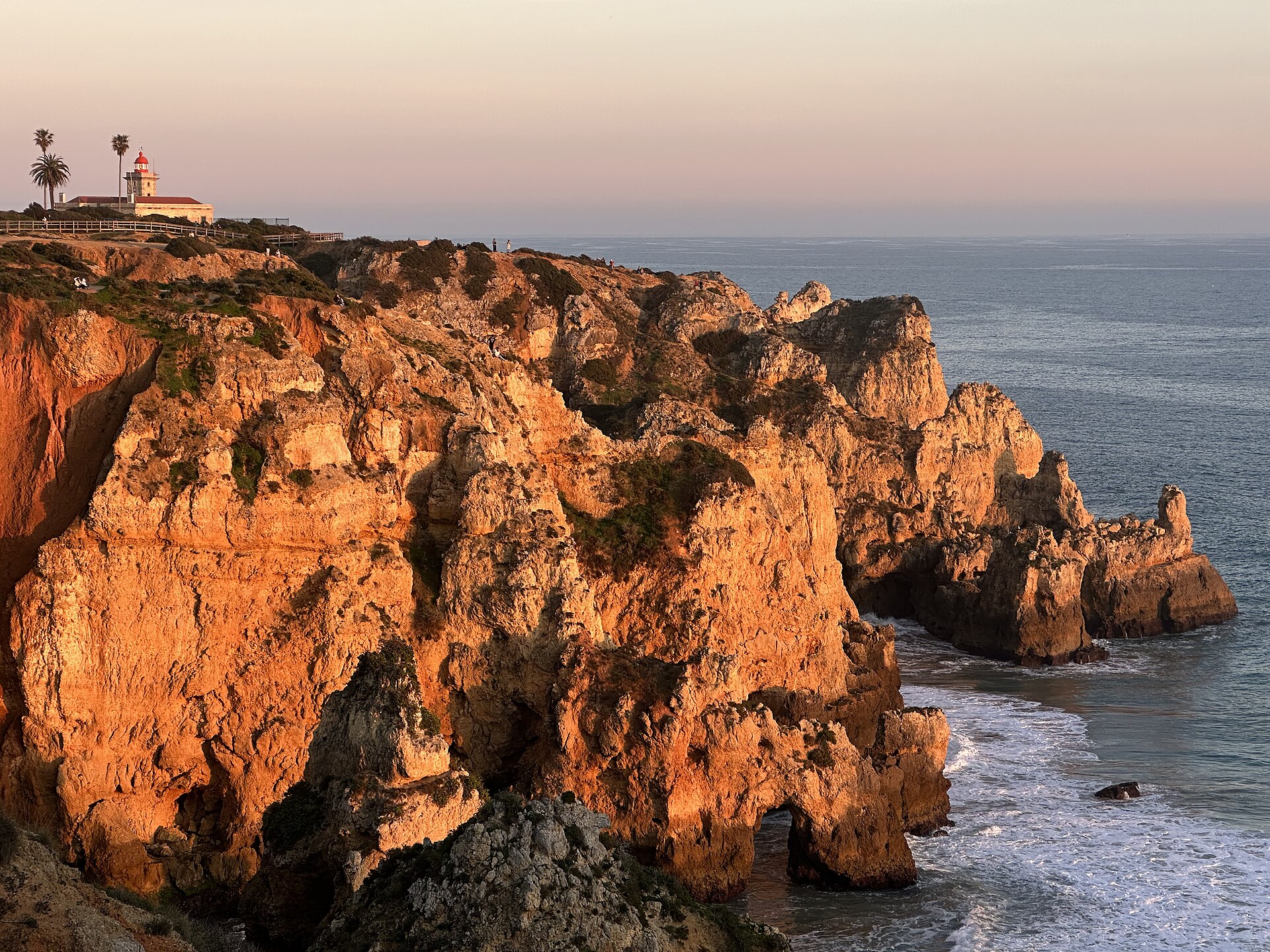
Go from the golden cliffs of the central Algarve to the wild Atlantic breakers of the Costa Vicentina Natural Park.
Day 1: Faro to Lagos
Driving: 1h 15mSee: Walk the boardwalks above Ponta da Piedade and explore the old walled centre of Lagos.
Overnight: Camping Trindade, Lagos
Day 2: Lagos to Sagres
Driving: 0h 40mSee: Stand at Cabo de São Vicente, the southwestern tip of continental Europe, and visit the Fortaleza de Sagres.
Overnight: Camping Orbitur Sagres
Day 3: Sagres to Aljezur
Driving: 0h 50mSee: Watch surfers at Praia do Amado and explore the ruined Moorish fortress at Aljezur.
Overnight: Camping Serrão, Aljezur
Day 4: Aljezur to Vila Nova de Milfontes
Driving: 1h 10mSee: Drive past heathland to the Mira River estuary and stroll the whitewashed riverside streets of Milfontes.
Overnight: Camping Campifêrro, Vila Nova de Milfontes
Day 5: Vila Nova de Milfontes to Faro
Driving: 2h 15mSee: Cross back through the cork oak hills of the Serra de Monchique to the Faro depot.
Overnight: Camping Olhão, Faro
Must-see
- Ponta da Piedade's sea stacks and arches near Lagos
- Cabo de São Vicente lighthouse on sheer Atlantic cliffs
- Praia da Arrifana, a cliff-sheltered beach and surf break
- Fóia viewpoint in Monchique, overlooking the southern coast
Free stops
- Lighthouse headland walks at Ponta de Sagres
- Boardwalk strolls through Alvor Nature Reserve estuary
- Historic whitewashed village square of Odeceixe
Before you go
- Don't park overnight on cliff-top dirt tracks in Costa Vicentina. Rangers fine environmental breaches fast.
- Afternoon Atlantic winds get fierce. Secure your awning when parking on the western capes.
- Small southern villages have narrow supermarket access. Stock up in bigger hubs like Portimão or Lagos.
Where to stay overnight
- Wild camping in Portugal is governed by Decree-Law no. 102-B/2020 and its 2021 amendments. You can stay overnight (pernoita) in a motorhome for up to 48 hours in the same municipality.
- Wild camping is banned in Coastal Zone Management Plan areas (POOC), Natura 2000 networks, and national or municipal parks. Fines run from 60 to 300 euros, rising to 500 euros in protected zones.
- Motorhome service areas, known as ASAs (Áreas de Serviço para Autocaravanas), offer legal parking with grey water disposal, fresh water, chemical toilet disposal and electric hook-up, for around 5 to 15 euros a night.
- Official commercial and municipal campsites (Parques de Campismo) are common. Chains like Orbitur run beachside and forest sites across mainland Portugal.
- The Portuguese Camping and Caravanning Federation (FCIC) and CampingCar Portugal list certified directories of approved municipal sites and private service points.
- Park4Night and Campercontact are popular for finding verified stops, but check that pinned spots don't break local overnight parking bans.
- Putting out awnings, tables, chairs or levelling chocks turns parking (estacionamento) into camping (acampamento), which is illegal on ordinary public roads and car parks.
Driving rules and road quirks
- Drive on the right and overtake on the left. Undertaking on multi-lane roads carries heavy fines.
- Standard campervans (up to 3.5 tonnes): 50 km/h in towns, 90 km/h on rural roads, 100 km/h on main trunk roads (IP/IC), and 120 km/h on motorways.
- Heavy motorhomes (over 3.5 tonnes): 50 km/h in towns, 80 km/h on rural roads, 90 km/h on trunk roads, and 110 km/h on motorways.
- Portugal has two toll systems: staffed barrier tolls and fully electronic gantries (former SCUT routes). Most rental firms fit a Via Verde transponder that bills tolls straight to your card.
- Lisbon's Low Emission Zone (ZER) sets Euro emission limits for motorhomes entering the centre. Park outside the core and take public transport instead.
- You need a valid licence held for at least a year. Non-EU/EEA drivers should also carry an International Driving Permit (IDP).
- The blood alcohol limit is 0.5 g/l, dropping to 0.2 g/l for new drivers (under three years' experience) and professional drivers.
- At roundabouts, stay in the inner lane unless taking the first exit. Signal and move out only just before your exit.
- Winter tyres aren't compulsory, but police may require snow chains on Serra da Estrela's high passes during heavy snow.
Estimated On-the-Road Motorhome Costs
Day-to-day costs in Portugal are lower than in Northern Europe, but plan for motorway tolls and peak-season pitch fees.
| Diesel (per litre) | Roughly €1.65 – €1.85 |
|---|---|
| ASA overnight fee (with services) | Roughly €6 – €14 per night |
| Full-service campsite (2 adults + van) | Roughly €18 – €38 per night |
| Via Verde transponder device hire | Roughly €1.50 – €2.50 per day |
| Electronic motorway tolls (Porto to Lisbon) | Roughly €23 – €32 (Class 2 vehicle) |
| Dining out (Prato do Dia lunch special) | Roughly €9 – €14 per person |
| LPG Autogas refill (per litre) | Roughly €0.85 – €1.00 |
Navigating Toll Gantries and Border Crossings
Know your toll class and the cross-border rules to avoid surprise fines during or after your trip.
- Vehicle class: campervans over 1.1 metres high at the front axle count as Class 2 for tolls, costing a bit more than cars (Class 1).
- Electronic-only gantries: marked 'Electronic Toll Only', these have no cash or card booths. Without a Via Verde tag, register your plate via EasyToll or pay later at a CTT post office.
- Crossing into Spain: easy within Schengen, but tell your hire firm and check your cross-border insurance add-on is active.
- Ferries: car ferries cross the Sado Estuary (Setúbal to Troia) and the Caminha river link to Galicia. Check your motorhome's height and overhang before driving on.
Day 1: first-timer checklist
- Check the van's exterior at handover. Film any scratches, bumper scrapes or window chips, with the date showing.
- Ask the handover technician to show you how to open, lock and flush the cassette toilet, and how the waste valve works.
- Find the gas isolator valves, leisure battery breaker and heating controls, and check how they work.
- Make sure the Via Verde toll tag is fitted to the windscreen and registered to your rental.
- Find the fresh water hose, electric hook-up cable (with EU Schuko and CEE adapters), warning triangle and hi-vis vests.
- Stop at a big supermarket near the depot (Continente, Pingo Doce or Auchan) for water, groceries and toilet chemicals.
- Drive gently to your first campsite or ASA, 45 to 60 minutes from the depot, so you've daylight left to test the hook-ups.
Must-do and must-try in Portugal
Must-Do Road Trip Activities
- Park near Praia do Baleal in Peniche and watch Atlantic waves hit the sand isthmus at sunset.
- Drive the N222's winding curves through the Douro wine valley, along the river.
- Hike the Seven Hanging Valleys trail from Praia da Marinha in the central Algarve.
- Climb the granite trails past prehistoric megaliths in Peneda-Gerês National Park.
- Stop at Cabo da Roca, mainland Europe's westernmost point, to watch the waves roll in.
Must-Try Regional Food & Drink
- Pastel de nata: warm egg custard tart dusted with cinnamon, best fresh from the oven.
- Bacalhau à brás: shredded salt cod scrambled with potato, egg, onion and black olives.
- Cataplana de marisco: shellfish and chorizo stew cooked in a hinged copper pot.
- Francesinha: Porto's layered sandwich of steak and sausage, drenched in beer sauce and melted cheese.
- Vinho Verde: a crisp, slightly fizzy young wine from the Minho region in the north.
Off-the-Beaten-Track Scenic Discoveries
- Serra da Estrela glacial valleys: drive the high pass to Torre, mainland Portugal's highest peak.
- Monsaraz: wander whitewashed lanes inside the old walls, overlooking the Alqueva reservoir.
- Piodão: explore dark schist houses built into the terraced slopes of the Serra do Açor.
- Costa Nova do Prado: walk the lagoon shore past the striped fishing cottages.
Local apps and emergency numbers
- Emergencies: dial 112 for police, fire or medical help anywhere in Portugal.
- Toll tag: make sure your rental has an activated Via Verde transponder so you breeze through toll gantries.
- Power: Portuguese campsites use standard European 3-pin blue CEE hook-ups (230V). Bring a two-pin Schuko adapter too.
- Gas: Portugal uses its own bottle connectors. Check your rental comes with the right regulator or a European filling adapter.
- Water: tap water is safe to drink everywhere, though taste varies. Many people use bottled water for cooking and the kettle.
- Apps worth having: Park4Night for campsites, Via Verde for tolls, and Windguru or Magicseaweed for surf conditions.
- Heat: fit thermal windscreen blinds when parked up in the sun to keep the van cool.
Official live links
- Visit Portugal — Portugal's official tourism board, with itineraries, regional guides and heritage site info.
- Infraestruturas de Portugal — The national roads agency, covering highway conditions, roadworks and closures.
- Portugal Tolls — The official site for toll payment methods, EasyToll registration and virtual cards.
- CampingCar Portugal — A directory of approved motorhome service areas (ASAs) and waste points across the country.
- Instituto da Conservação da Natureza e das Florestas (ICNF) — The authority running national parks, fire risk ratings and camping rules in nature reserves.
Portugal campervan FAQs
Is wild camping allowed anywhere in Portugal?
No. Portuguese rules allow overnight stays (pernoita) in a campervan for up to 48 hours in the same municipality, but not in protected areas, Natura 2000 zones, or coastal areas covered by POOC plans. Fines run from 60 to 500 euros.
How do electronic tolls work for rental campervans?
Most rental firms fit a Via Verde tag to the windscreen. It beeps as you pass under gantries or through toll lanes, and the charge comes straight off your deposit or card.
Can I drive a campervan on a standard car driving licence?
Yes, as long as the campervan's maximum authorised mass (MAM) is 3,500 kg or under (Class B licence). That covers standard pop-tops and most 2 to 4-berth motorhomes. Heavier vehicles need a Category C1 licence.
Are child car seats mandatory in motorhomes?
Yes. Children under 12 or shorter than 135 cm must use a child restraint suited to their size and weight, fitted to a seat with a three-point seatbelt.
What is an ASA in Portugal?
An ASA (Área de Serviço para Autocaravanas) is a motorhome service area. It gives you legal parking, fresh water, waste drainage and toilet disposal, usually for €5 to €15 a day.
Can I drive a campervan into central Lisbon or Porto?
Not really. Old town centres have narrow, steep streets, tight turns, low archways and strict low-emission rules. Park at an outer campsite or park-and-ride and take public transport instead.
Is it easy to cross the border into Spain?
Yes, there's no border control between Portugal and Spain under Schengen. Just check your rental firm allows cross-border travel and your insurance covers Spain.
Can I hire a campervan in Portugal during the winter?
Yes, winter touring is popular, especially in the Algarve where temperatures often hit 16°C to 19°C. Motorhomes come with heaters for cooler evenings.
How does the Price Beat Guarantee work?
Find a lower price and we'll beat it. The quote must be for the same vehicle from the same supplier, with identical depots, dates and times, matching inclusions, mileage and excess options, and be live and verifiable before you book. Conditions apply — see our terms.