
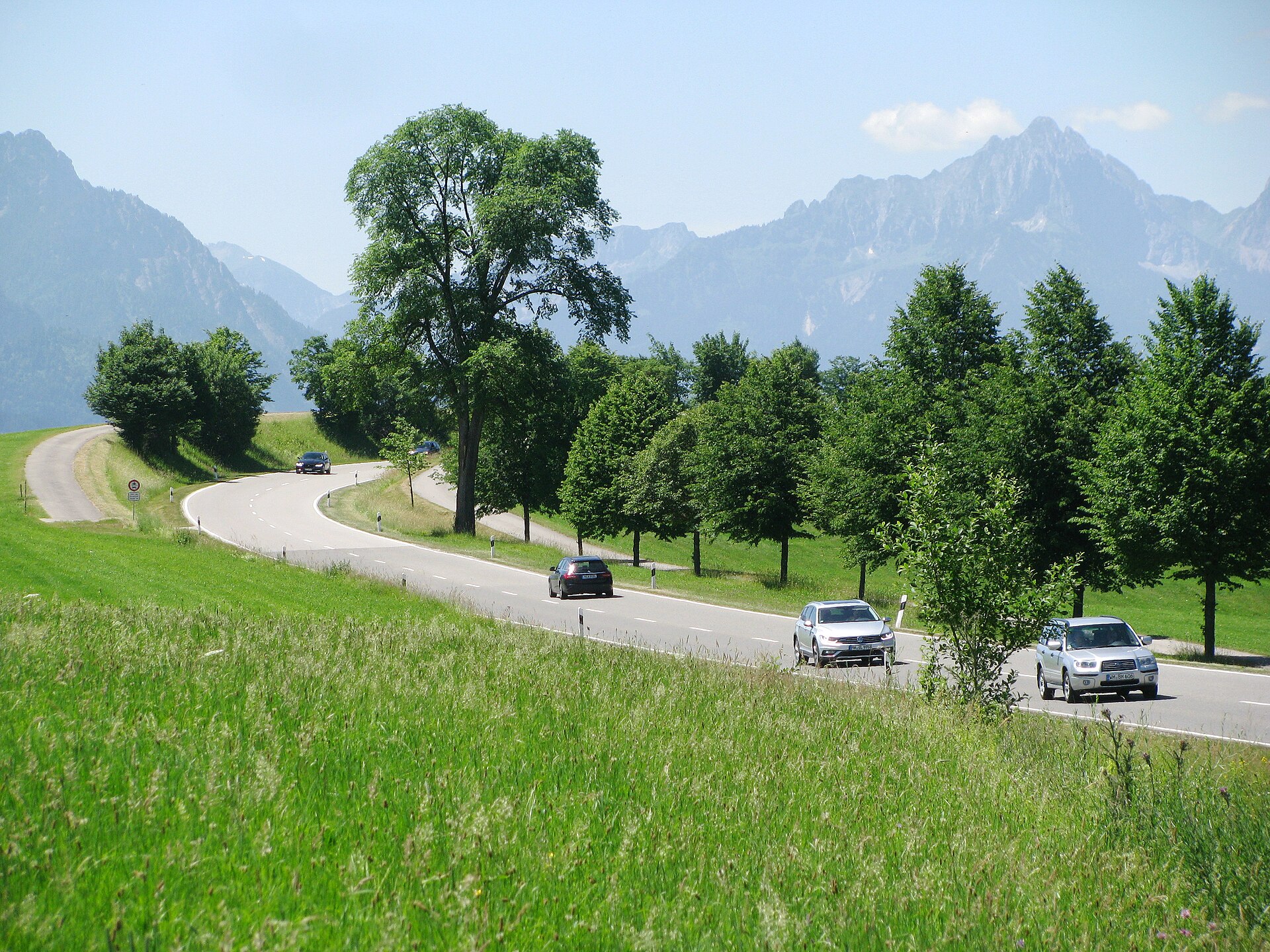
Real vehicles you can book
Tap a vehicle to see its photos, floorplan and live prices for your dates.
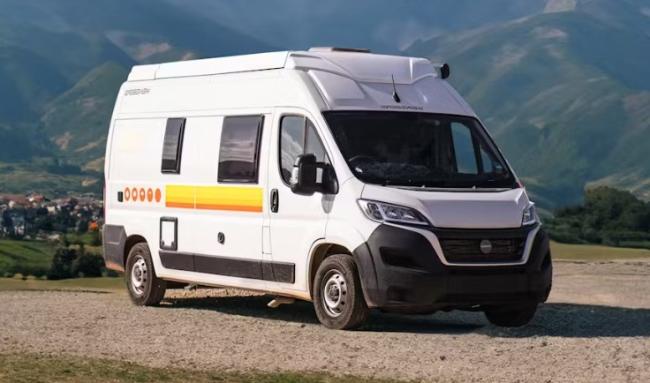
Indie Campers · Campervan · sleeps 2
Active Bunk
Best for: Couples
Check dates & prices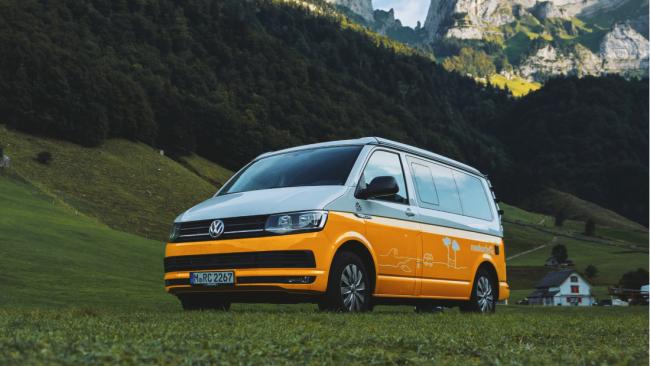
roadsurfer · Campervan · sleeps 2
Beach Hostel
Best for: Couples
Check dates & prices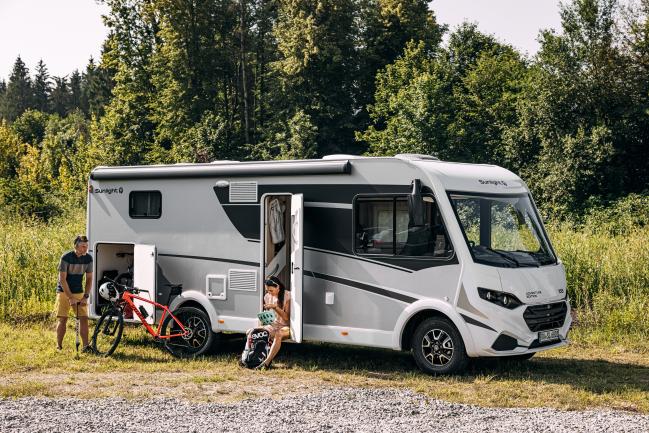
McRent Germany · Campervan · sleeps 2
Comfort Luxury
Best for: Couples
Check dates & prices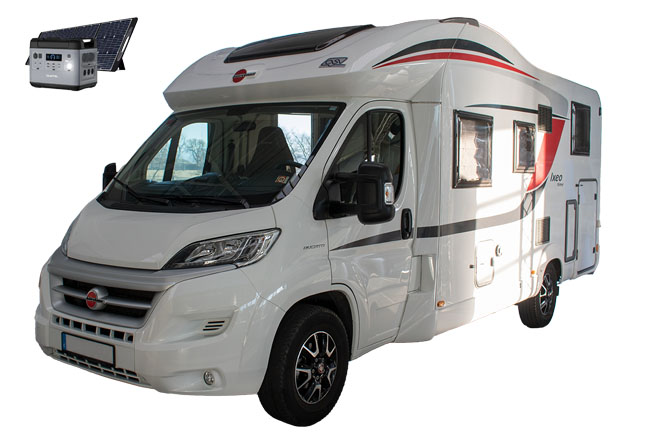
Elitejoy · Campervan · sleeps 2
Elitejoy Buerstner BT7103 98
Best for: Couples
Check dates & prices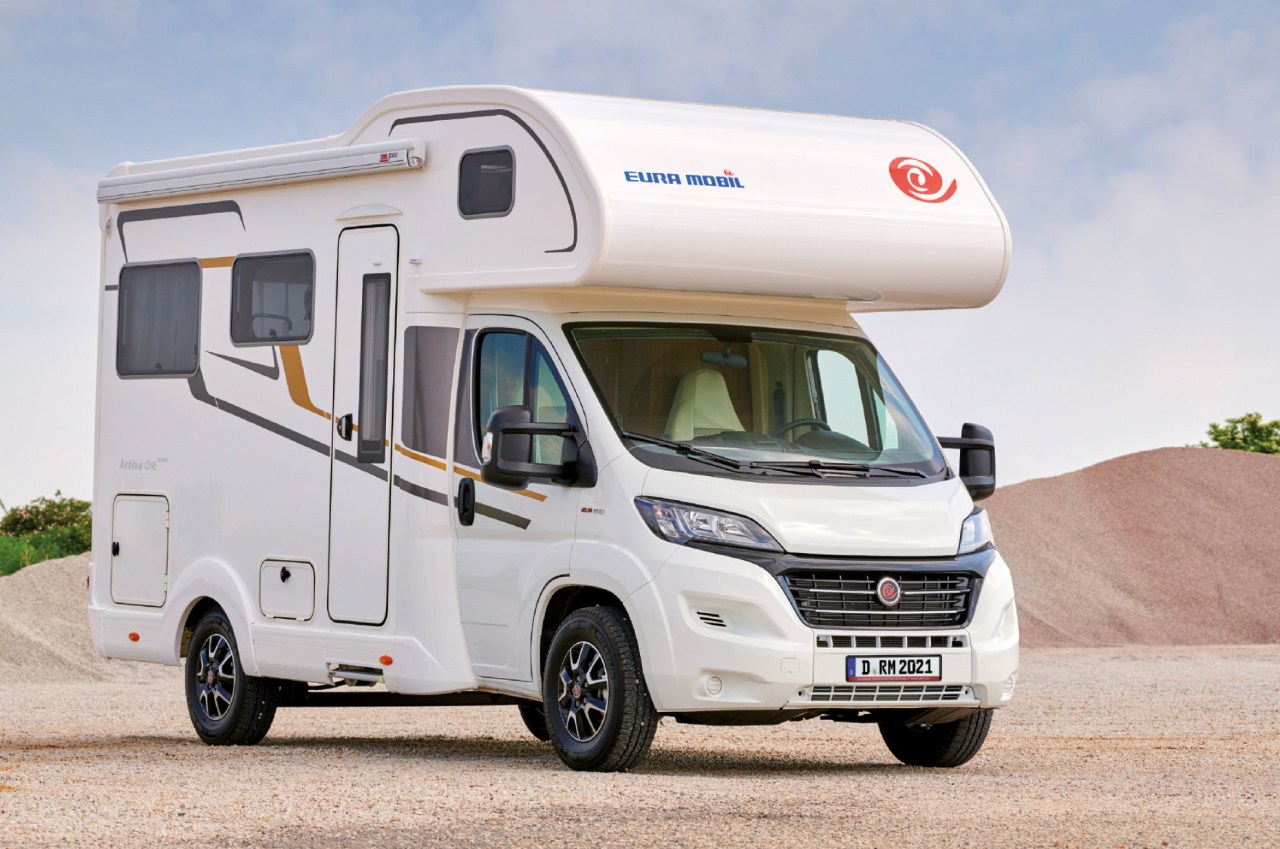
DRM · Campervan · sleeps 2
Group F2 - Family Cruiser
Best for: Couples
Check dates & prices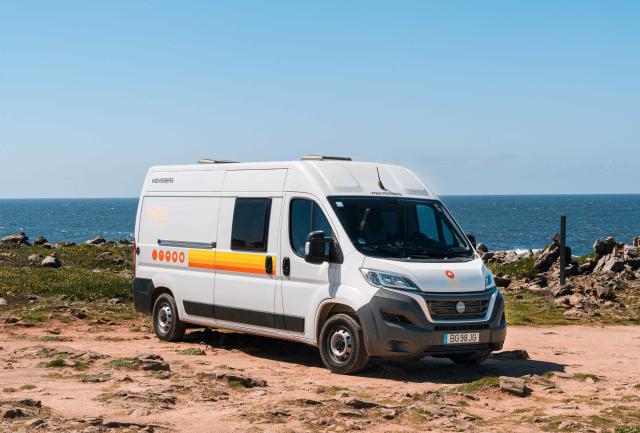
Indie Campers · Campervan · sleeps 2
Active Bunk Select
Best for: Couples
Check dates & pricesRental companies in Germany
We only list established fleets with their own vehicles. No peer-to-peer rentals and no paid rankings.
DRM
A long-standing German specialist with high-spec motorhomes and campervans, mostly modern models from manufacturers like Knaus.
View fleet & profile →
Elitejoy
A small rental operator with well-equipped campervans and flexible booking, geared towards independent road trippers.
View fleet & profile →

Indie Campers
A large European supplier with modern, custom-fitted van conversions and compact motorhomes, plus flexible collection options.
View fleet & profile →
McRent Germany
Europe's largest motorhome rental network, with well-kept Dethleffs and Sunlight vehicles and depots across the country.
View fleet & profile →

roadsurfer
Specialists in compact, easy-to-drive campervans like Volkswagen Californias and Mercedes Marco Polos, good for cities and scenic routes.
View fleet & profile →
Where to pick up your campervan
Bavaria & The Alps
Alpine peaks, clear mountain lakes and baroque castles along the southern border.
Baden-Württemberg & The Black Forest
Evergreen forests, famous thermal spas and terraced vineyards along the Upper Rhine.
North Rhine-Westphalia & The Rhineland
Historic river routes, gothic cathedrals and lively cultural cities with direct cross-border links.
Hesse, Rhineland-Palatinate & Saarland
Steep Moselle river loops, Roman ruins and forest reserves near central transport hubs.
Berlin, Brandenburg, Saxony & Thuringia
Lively capitals, calm glacial lakes, sandstone peaks and deep cultural heritage.
Northern Germany & The Baltic Coast
Hanseatic port cities, windswept coastlines and wide maritime heathlands.
Germany campervan map: pickups and highlights
Dark blue dots are pickup locations. Tap any other dot to see the nearest pickup and a rough drive time.
Germany pickup city guides
- Aachen
- Augsburg
- Baden-Baden
- Berlin
- Bielefeld
- Bochum
- Bonn
- Brandenburg
- Braunschweig
- Bremen
- Chemnitz
- Cologne
- Constance
- Dortmund
- Dresden
- Duisburg
- Dusseldorf
- Erfurt
- Essen
- Flensburg
- Frankfurt
- Freiburg
- Friedrichshafen
- Füssen
- Gelnhausen
- Gera
- Günzburg
- Halle
- Hamburg
- Hanover
- Heidelberg
- Isny
- Kaiserslautern
- Karlsruhe
- Kassel
- Kiel
- Kleve
- Leipzig
- Lindau
- Lübeck
- Mainz
- Mannheim
- Minden
- Mülheim
- Munich
- Münster
- Nordhausen
- Nuremberg
- Osnabrück
- Passau
- Ravensburg
- Regensburg
- Rheinfelden
- Rostock
- Siegen
- Starnberg
- Stuttgart
- Trier
- Ulm
- Wangen
- Warendorf
- Wertheim
- Wittlich
- Würzburg
More European guides: Albania · Austria · Belgium · Bosnia · Bulgaria · Croatia · Czech Republic · Denmark · Estonia · Finland · France · Greece · Hungary · Iceland · Ireland · Italy · Latvia · Liechtenstein · Lithuania · Luxembourg · Macedonia · Monaco · Montenegro · Netherlands · Norway · Poland · Portugal · Romania · Serbia · Slovakia · Slovenia · Spain · Sweden · Switzerland
Top tip
Depots near Frankfurt and Munich sit in industrial zones, 20 to 45 minutes outside the city centre. Book a train or taxi from the terminal rather than lugging bags onto city transport. Check return hours too: German rental stations often close early on Saturday afternoons and stay shut on Sundays.
Trip cost calculator: fuel and campsites
Pick one of the road trips below or type your own distance to estimate fuel and overnight costs in EUR.
- Plan for (+20% detours)
- 552 km
- Fuel (72 litres)
- €123
- Campsites
- €260
- Fuel + campsites
- €383
Road fees: Motorways are toll-free for campervans under 3.5 tonnes. A few river ferries charge small cash fees.
Diesel costs much more at motorway service stations. Refuel at supermarket filling stations just off the Autobahn exits to save money. Estimates only; rental price, insurance and any mileage charges are shown in your quote.
Why choose Germany for a campervan road trip?
Germany has camping infrastructure few countries can match. Thousands of well-kept Stellplätze, municipal and private overnight stops for motorhomes, sit right beside historic town centres, vineyards and alpine lakes, for a fraction of campsite fees. Passenger vehicles and motorhomes under 3.5 tonnes pay zero tolls on the Autobahn, unlike much of southern Europe, so long trips cost less. The scenery varies hugely too: wake under the Bavarian Alps, sip Riesling on the steep terraces of the Moselle, then drive through the pine forests of the Black Forest, all within a few days' drive. Good roads, reliable services and a strong outdoor culture make Germany easy and rewarding for motorhome travel.
Which vehicle suits your group?
Compact Campervan (e.g. VW California) — Good for couples or solo travellers who want an easy drive on narrow lanes and in old town centres.
- Pop-top roof bed, compact gas hob and 12V compressor fridge.
- Under 2 metres tall, so it fits standard car parking bays and toll categories.
- Easy to handle on Black Forest switchbacks and narrow medieval streets.
- Usually no onboard shower or fixed toilet.
Panel Van Conversion (e.g. Fiat Ducato 6m) — Good for couples or small families who want self-containment without a full-size coachbuilt motorhome.
- Fixed rear double bed, built-in wet-room shower and cassette toilet.
- Full standing height throughout, yet still easy to drive on country roads.
- Winterised with diesel or LPG blown-air heating for year-round travel.
- Fits standard German Stellplatz parking bays.
Semi-Integrated / Low Profile Motorhome — Good for couples who want more space, or small families needing storage for bikes and gear.
- Coachbuilt body on a standard commercial chassis, under 3,500 kg.
- Roomy layouts with fixed single or island beds, plus drop-down ceiling beds.
- Big rear garage for e-bikes and outdoor furniture.
- Watch your payload limit when fully loaded.
Overcab / Alkoven Motorhome — Good for larger families or groups who need maximum berths and separate living space.
- Double bed pod over the driver's cab frees up the central dinette.
- Sleeps 4 to 6, with bunk beds or a rear transverse double.
- Often over 3.1 metres tall, so watch for low railway bridges.
- More wind resistance and weight, so drive steady on the Autobahn.
Best time to travel and weather
Spring (April to May)
- Mild days, 12°C to 20°C, good for hiking and cycling in the river valleys.
- Spring blossom fills the orchards around Lake Constance and the Rhine terraces.
- Campsites reopen after winter, with few crowds and easy walk-in spots at most Stellplätze.
Summer (June to August)
- Warm, sunny days, 25°C to 30°C, with beer gardens and open-air festivals in full swing.
- Peak season: book lakeside sites and alpine spots ahead.
- Late afternoon thunderstorms can bring sudden downpours, especially in alpine valleys.
Autumn (September to October)
- Crisp air and golden foliage in the Black Forest, Harz and Bavarian uplands.
- Wine harvest festivals liven up villages across the Palatinate, Moselle and Franconian wine trails.
- Nights start dropping towards freezing, so you'll need onboard heating.
Winter (November to March)
- Christmas markets fill town squares throughout December, then quiet alpine snow trips follow.
- Winter tyres are a legal must in frosty or snowy conditions across Germany.
- Some alpine campsites stay open for ski-in camping; you'll need a winterised vehicle and propane heating.
Classic Germany road trips
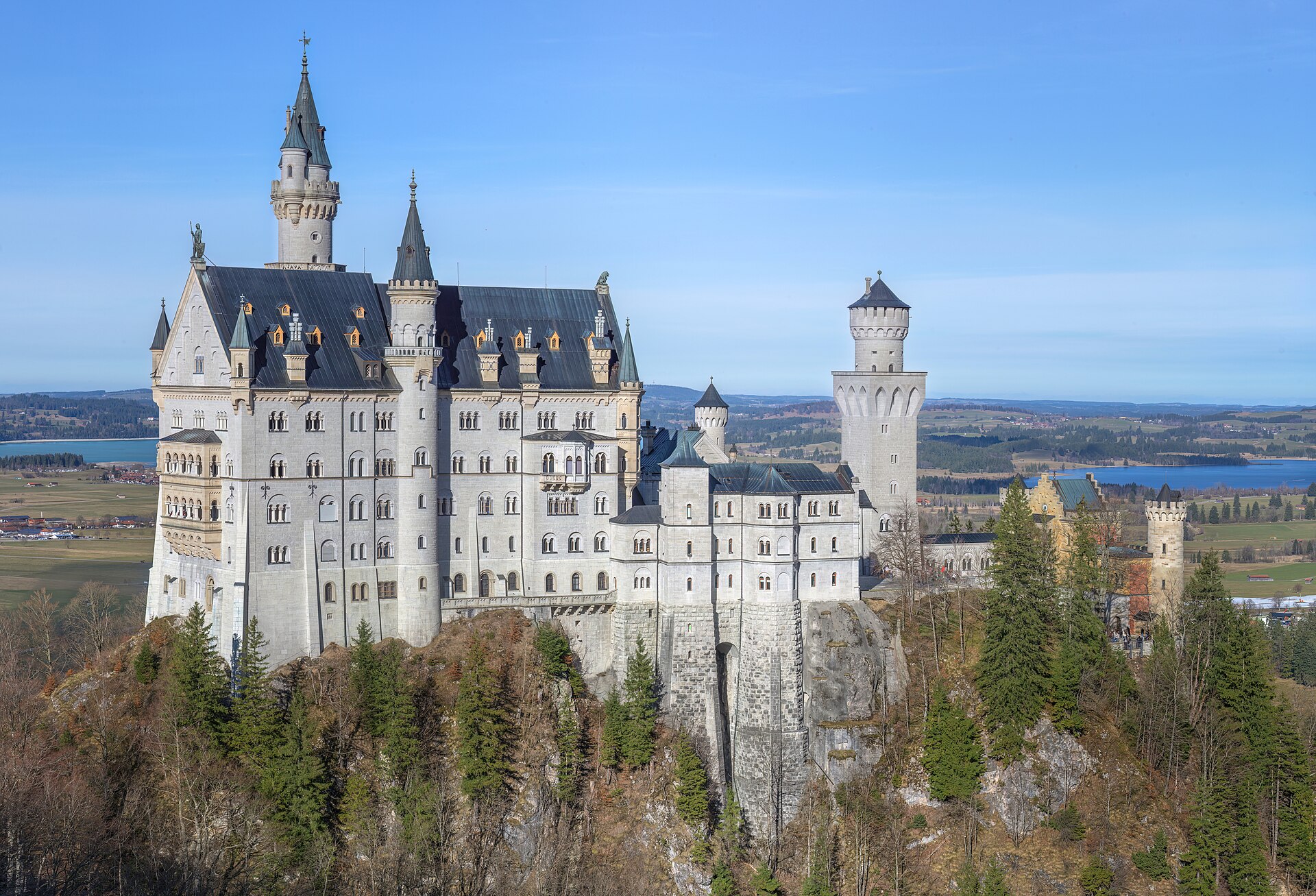
Drive one of Germany's best-known routes, from the baroque palaces of Würzburg through walled medieval towns to the foot of the Bavarian Alps.
Day 1: Würzburg to Rothenburg ob der Tauber
Driving: 1h 15mSee: Würzburg Residence palace gardens, vineyard views and Rothenburg's medieval ramparts.
Overnight: Wohnmobilstellplatz P2 Rothenburg ob der Tauber
Day 2: Rothenburg ob der Tauber to Dinkelsbühl
Driving: 0h 45mSee: Dinkelsbühl's well-preserved 16-tower walls and timber-framed townhouses.
Overnight: Wohnmobilstellplatz an der Larrieder Straße, Dinkelsbühl
Day 3: Dinkelsbühl to Nördlingen
Driving: 0h 40mSee: The Ries meteorite crater basin and a walk round the full circular town wall.
Overnight: Wohnmobilstellplatz Kaiserwiese, Nördlingen
Day 4: Nördlingen to Landsberg am Lech
Driving: 1h 15mSee: The historic weir on the River Lech, the baroque Bayertor gate and the lively old town market square.
Overnight: Campingplatz Landsberg am Lech
Day 5: Landsberg am Lech to Füssen & Neuschwanstein
Driving: 1h 05mSee: Fairy-tale Neuschwanstein Castle, Hohenschwangau and the calm shores of the Forggensee.
Overnight: Wohnmobilplatz Füssen Campers Stopp
Day 6: Füssen to Garmisch-Partenkirchen
Driving: 1h 10mSee: Views of the Zugspitze peak, Ettal Abbey and the Partnach Gorge walk.
Overnight: Alpencamp Mariengrund, Garmisch-Partenkirchen
Day 7: Garmisch-Partenkirchen to Lake Tegernsee
Driving: 1h 15mSee: Alpine shoreline walks, historic lakeside breweries and the foothills.
Overnight: Campingplatz Wallberg, Rottach-Egern
Must-see
- Neuschwanstein Castle, high above the Pöllat Gorge
- Complete medieval wall around Rothenburg ob der Tauber
- Würzburg Residence and its huge Tiepolo ceiling fresco
- Partnach Gorge, carved by turquoise alpine meltwater
Free stops
- Walk the full timber battlements of Nördlingen
- Lechfall waterfall viewing platforms at the southern edge of Füssen
- Würzburg Court Garden terrace paths overlooking the city
Before you go
- Book Neuschwanstein tickets online weeks ahead. Motorhome parking fills up by 09:30.
- Take the B17, not the busy A7, between Landsberg and the Alps for better views.
- Carry gold-coloured coins. Many rural parking machines near Bavarian trailheads don't take cards.
Where to stay overnight
- Wild camping (Freistehen) is tightly restricted in Germany. You can sleep in your vehicle outside designated areas for one night only, to restore driving ability (Wiederherstellung der Fahrtüchtigkeit), not as a camping spot.
- Germany's biggest asset for motorhomers is the Stellplatz network: thousands of overnight stops, from simple municipal asphalt bays to full-service private parks.
- Use the Park4night and Campercontact apps to find Stellplätze, farm stays and disposal stations.
- With the Landvergnügen scheme, self-contained campervans stay free for up to 24 hours at participating farms, breweries and vineyards nationwide. Buy the annual book or membership to join in.
- German school holidays (July and August) mean campsites (Campingplätze) fill up fast. Book ahead for the Baltic Sea, Lake Constance or the Bavarian lakes.
- Keep €1 and €2 coins handy. Most Stellplatz barriers, water taps and 16A electricity pillars run on them.
- Empty grey water and chemical toilets only at marked disposal pillars (look for Holiday-Clean or Sani-Station). Dump anywhere else and you risk a hefty fine.
Driving rules and road quirks
- You drive on the right and overtake on the left.
- No toll for cars or motorhomes under 3.5 tonnes on the Autobahn network.
- Over 3.5 tonnes, you're subject to lower speed limits and some truck rules on certain routes.
- Speed limits for vehicles up to 3.5 tonnes: 50 km/h in towns, 100 km/h on rural roads.
- On the Autobahn, the advisory speed is 130 km/h for vehicles under 3.5t where there's no posted limit. Between 3.5t and 7.5t, it's a strict 100 km/h.
- Over 80 cities have Environmental Zones (Umweltzonen). You'll need a green emissions sticker (Feinstaubplakette) on the windscreen to drive in.
- In freezing, snowy or icy conditions, you must fit winter or all-season tyres with the 3PMSF alpine symbol (situative Winterreifenpflicht).
- The blood alcohol limit is 0.05% for experienced drivers, but 0.00% if you've held your licence under two years or are under 21.
- UK, EU and EEA licences are valid for motorhomes up to 3,500 kg. If yours isn't European, bring an International Driving Permit too.
Typical touring costs in Germany
Germany is one of Western Europe's cheapest spots for a self-drive campervan trip, thanks to toll-free motorways and cheap municipal stopovers.
| Municipal Stellplatz overnight fee | €8 to €18 per night (some rural stops free) |
|---|---|
| Full-facility private campsite | €28 to €50 per night (2 adults, pitch & hookup) |
| Autobahn road tolls (< 3.5t) | €0 (completely toll-free nationwide) |
| Electricity hookup (Stellplatz coin-op) | €0.50 to €1.00 per kWh |
| Fresh water replenishment | €1 for roughly 80–100 litres |
| Green emissions sticker (Plakette) | Roughly €6 to €15 (one-off purchase) |
| Mid-range restaurant meal with beer | €18 to €30 per person |
Cross-border travel and environmental zones
Germany sits at the heart of Europe, sharing open borders with nine Schengen neighbours, so you can plan easy cross-country routes.
- At Schengen borders with France, Austria, Switzerland, the Czech Republic, Poland, Denmark, the Netherlands, Belgium and Luxembourg, there are usually no routine stops, though passport checks can happen.
- Heading into Austria or Switzerland? Buy their motorway vignette before you join the highway.
- Check your rental contract allows driving into neighbouring countries. Tell your depot in advance if you're crossing borders.
- You need a green emissions sticker to enter inner-city Umweltzonen. German rental depots usually fit this to domestic vehicles already.
- By law, you must carry a hi-vis vest for each passenger, a warning triangle and a first aid kit in the cab.
Day 1: first-timer checklist
- Check the windscreen has a valid green emissions sticker (Umweltplakette), especially if you're heading into a big city.
- Walk round the outside and underneath with staff, and note any scratches or stone chips on the handover sheet.
- Get a hands-on demo of the control panel, heating, water heater, fridge fuel switch and grey water valve.
- Check the gas bottles supplied (usually grey 11 kg propane) and make sure the straps are secure.
- Check the spare tyre, jack, warning triangle, first aid kit and reflective vests in the cab.
- Head to a big supermarket (Kaufland, Rewe or Edeka) for water, food and cleaning supplies.
- Test your water-fill adaptors and electric hook-up lead at your first site before it gets dark.
- Keep day one short, under 100 km, so you get a feel for the vehicle's size and blind spots.
Must-do and must-try in Germany
Must-do campervan experiences
- Park overnight at a working vineyard on the Moselle and try cold Riesling from the cellar.
- Drive the German Alpine Road (Deutsche Alpenstraße) between Lindau and Berchtesgaden, with crags towering above.
- Wake up by the medieval walls of Rothenburg ob der Tauber or Dinkelsbühl.
- Take the high twists of the Schwarzwaldhochstraße B500 through Black Forest mist.
Must-try regional food and drink
- Bavarian Käsespätzle: egg noodles baked with mountain cheese and crispy fried onions.
- Swabian Maultaschen: big pasta pockets filled with minced pork, spinach and herbs.
- Currywurst and chips at a roadside Imbiss stand.
- Local draught beers, from Franconian smoked Rauchbier to crisp northern Pilsners.
Hidden gems and scenic detours
- The Bastei bridge, with sandstone towers rising above the Elbe in Saxon Switzerland.
- The ancient beech forests and chalk cliffs of Jasmund National Park on the Baltic island of Rügen.
- The volcanic crater lakes (Maare) in the Eifel hills near the Belgian border.
- The timber-framed, UNESCO-listed old town of Quedlinburg, under the Harz mountains' northern slopes.
Local apps and emergency numbers
- Emergency number across Europe: 112 (medical, fire, police).
- Police direct line: 110.
- Download Park4night to find Stellplätze, chemical disposal points and water across Germany.
- Download the ADAC Camping / Stellplatz app for verified sites and user reviews.
- Bring levelling ramps. Stellplatz spots are often uneven or sloped.
- Keep a coin purse stocked with €1 and €2 coins for machines and service points.
- Pack a European CEE 3-pin blue hook-up cable plus a Schuko adaptor plug.
- Carry photo ID or your passport at all times. It's required by German law.
Official live links
- Germany Travel — Official German National Tourist Board site, with regional routes and highlights.
- ADAC — Germany's top automobile club, for traffic updates, road rules and breakdown advice.
- Federal Ministry for Digital and Transport — Official guidance on road rules, speed limits and transport policy.
- Federal Environment Agency (UBA) — Official info on low emission zones, green sticker rules and city maps.
- DTV Campsite Classification — Official German Tourism Association standards and ratings for campsites nationwide.
Germany campervan FAQs
Is wild camping legal in Germany?
No, wild camping with campervans isn't allowed. But German law lets you 'Freistehen' for one night, just to rest and restore your fitness to drive (Wiederherstellung der Fahrtüchtigkeit), in public parking bays where it's not banned. You can't put out awnings, chairs or barbecues during these stops. For proper camping, use the Stellplatz network.
What exactly is a Stellplatz?
A Stellplatz is a parking area set aside for motorhomes and campervans. Usually run by the local council or by private vineyards and farms, they offer legal overnight parking for self-contained vehicles, often with waste disposal, fresh water and electricity, for around €8 to €18 a night.
Do I need to pay tolls on German motorways in a campervan?
The whole Autobahn network is toll-free for motorhomes and cars under 3,500 kg gross weight. Only heavy goods vehicles and some motorhomes over 3.5 tonnes under commercial rules pay tolls.
What is the green Umweltplakette sticker and do I need one?
The Umweltplakette is an emissions sticker for your windscreen, needed to enter Low Emission Zones (Umweltzonen) in cities like Berlin, Munich, Frankfurt and Stuttgart. Most rental vehicles already have the green sticker fitted, but check at pickup.
Can I drive on the German Autobahn without speed limits in a campervan?
Some Autobahn sections have no fixed limit, but there's an advisory speed (Richtgeschwindigkeit) of 130 km/h for vehicles under 3.5 tonnes. Most campervans do best cruising at 100 to 110 km/h. Over 3.5 tonnes, the legal limit is a strict 100 km/h.
What electrical connection do I need at German campsites?
Campsites and Stellplätze use the standard European blue 3-pin CEE plug (16 amp). Bring a Schuko adaptor too, as some older municipal posts still use domestic sockets.
Are shops and supermarkets open on Sundays in Germany?
Under Germany's Ladenschlussgesetz, supermarkets, bakeries and shops close on Sundays and public holidays. Only petrol stations, major railway station shops and airport shops stay open. Do your food shopping on Saturday.
What driving licence do I need to rent a campervan in Germany?
A standard category B car licence, held for one to three years depending on the supplier, lets you drive any campervan up to 3,500 kg. If your licence isn't from the EU/EEA, bring an International Driving Permit too.
How does the Price Beat Guarantee work?
Find a lower price and we'll beat it. The quote must be for the same vehicle from the same supplier, with identical depots, dates and times, matching inclusions, mileage and excess options, and be live and verifiable before you book. Conditions apply — see our terms.